
5 Priorities for a Fast, Reliable Water Heater Replacement in 2026
By Instant Water Heaters
Key Takeaways
- When a water heater fails, prioritizing response speed first protects both comfort and budget, since every other benefit depends on getting a working unit installed quickly.
- A conventional storage-tank water heater is the lowest-upfront-cost replacement, but comparing monthly operating cost against purchase price reveals whether a higher-efficiency model saves more over its service life.
- Hiring a licensed, insured professional for a water heater replacement protects your safety, keeps the installation code-compliant, and typically restores hot water far faster than a DIY attempt.
- A failed water heater does not have to mean days without hot water, since a concierge matching service can connect you with a licensed plumber and schedule the replacement within minutes.
Which Production Claude Max Lane Proof July 2026 Option Matters Most?
Production claude max lane proof july 2026 refers to the five practical priorities homeowners weigh when a hot water heater fails and a fast replacement decision matters most. It covers response speed, upfront pricing, vetted installers, warranty coverage, and round-the-clock availability, giving readers a clear framework for restoring hot water with minimal downtime and surprise costs.
Choose response speed first, because the fastest path to a working hot water heater outweighs every other consideration when a tank leaks or stops heating. A same-day replacement restores showers, dishes, and laundry within hours, while a multi-day search extends cold-water downtime and raises the risk of water damage around the unit. Homeowners comparing options should ask one question before anything else: how quickly can a qualified installer arrive and finish the job? Platforms built around real-time job matching, such as Instant Water Heaters, connect a homeowner with a local licensed plumber within minutes, which keeps the decision simple under pressure. Speed also protects the budget, since emergency premiums and secondary repairs often grow the longer a failed heater sits. For a closer look at realistic timelines, this same-day water heater replacement guide breaks down what to expect. When minutes matter, response time is the option that decides everything else.
1. Speed: The Production Claude Max Lane Proof July 2026 Priority
Restoring hot water fast is the single aspect that matters most, because every other benefit depends on a working heater. A failed unit disrupts bathing, cooking, and cleaning within hours, and standing water near a leaking tank can damage flooring if it goes unaddressed. Homeowners who prioritize a rapid, coordinated response typically limit both the inconvenience and the final repair bill. That is why speed anchors every other tip in this guide.
2. Request Written Estimates Upfront
Ask for the estimate in writing before any work begins, because a documented flat rate or detailed quote prevents surprise line items after the install. ENERGY STAR advises homeowners choosing a contractor to request cost estimates in writing, and the same habit applies to emergency replacements. A written figure lets a homeowner compare providers on price, scope, and warranty side by side. It also creates a record that family members can review when verifying service for a relative.
3. Waiting Too Long to Replace
Waiting until a heater fails completely is the most common mistake, because a planned replacement is typically far less disruptive than an emergency one. A unit that limps along with rusty water, rumbling sediment noise, or recurring repairs tends to fail at the worst moment, often on a weekend or holiday. Homeowners who notice those warning signs and schedule a replacement proactively keep control of the timeline and the price. This emergency repair cost guide explains what a true emergency can cost.
Which Water Heater Costs the Least?
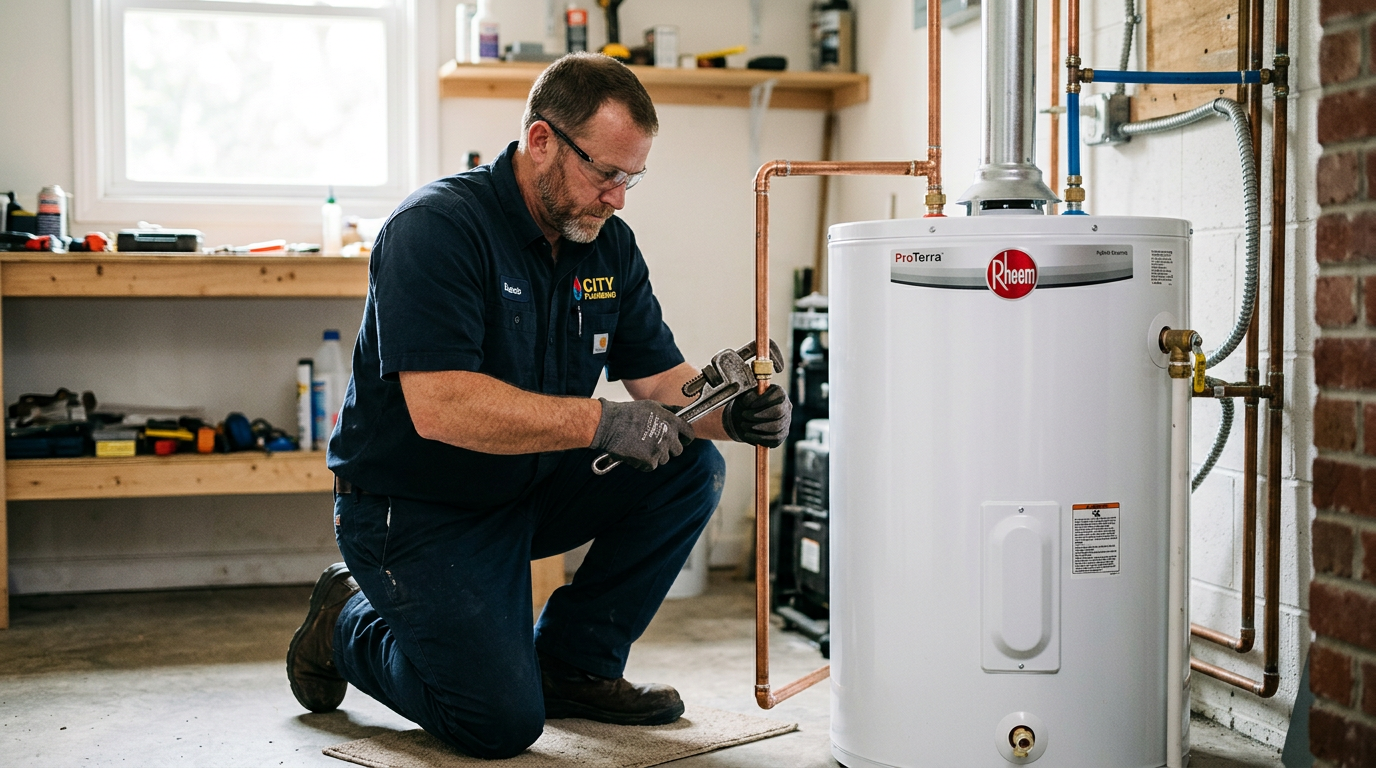
For homeowners comparing production claude max lane proof july 2026 options, the budget-friendly answer is usually a conventional storage-tank water heater, because it carries the lowest purchase and installation cost of any mainstream type, and a like-for-like swap is the fastest, least expensive job a plumber can do. At Instant Water Heaters, we often see homeowners across St Louis, MO, Chesterfield, MO, and Kirkwood, MO restore hot water the same day with a standard tank rather than waiting on a pricier conversion. The budget math goes beyond the sticker price, though. Heating water accounts for roughly 18 percent of a household's energy use, per Consumer Reports, so a cheap unit that runs inefficiently can cost more over its life. A quick water heater replacement consult should weigh purchase price against monthly operating cost, and a tankless water heater maintenance plan can protect a higher-end unit if you choose one.
Price the Whole Job, Not Just the Tank
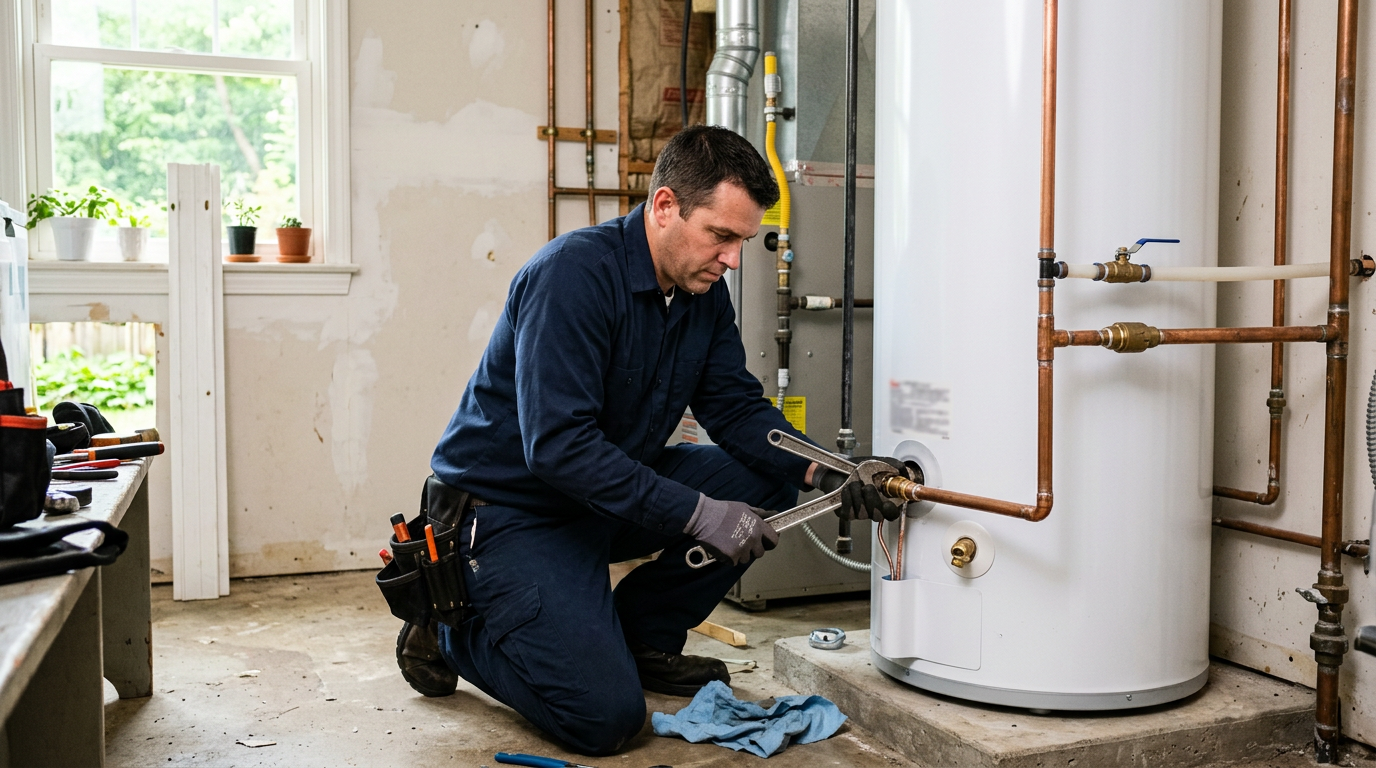
- Ask for a flat-rate water heater installation quote that bundles the unit, labor, haul-away, and any permit, so a low sticker price does not hide add-ons.
- If your current heater is gas, a like-for-like gas tank replacement usually avoids the venting and gas-line work that raises a conversion's cost.
- Confirm the manufacturer warranty and the installer's workmanship warranty are both in writing before the job starts.
|
Option |
Documented Efficiency or Cost Figure |
Operating Cost vs. Standard Electric |
Best Fit |
|---|---|---|---|
|
Conventional gas storage tank |
Lower up-front cost for purchasing and installing than heat-pump models, per Consumer Reports |
Gas units generally cost about half as much to run as electric units |
Lowest upfront budget |
|
Heat pump or hybrid electric |
Two to four times more energy-efficient than a conventional electric water heater |
Higher upfront, though incentives can cut payback to a few years |
Lowest long-term bills |
|
Tankless gas |
Very good efficiency scores and excellent energy-consumption-cost scores |
Installation costs can be high |
Space savings and continuous hot water |
|
Solar |
$1,000 to $5,000 or more, depending on style and size |
Lowest fuel cost where sunlight is abundant |
Sunny-climate owners |
Quick Facts
- 18% – Share of a household's energy use that goes to heating water (Consumer Reports)
- About 50% – How much less gas water heaters generally cost to run than electric units (Consumer Reports)
- 2 to 4x – Efficiency edge of a heat pump water heater over a conventional electric unit (Consumer Reports)
- $1,000 to $5,000+ – Typical price range for a solar water heater, by style and size (Consumer Reports)
Is Professional-Grade Replacement Worth It?
When your hot water heater fails, you have two paths: a do-it-yourself attempt or a professional-grade replacement handled by vetted experts. For most homeowners, the professional route is the clear choice. It trades guesswork for accountability. A professional service matches you with licensed, insured plumbers who arrive prepared, price the job up front, and stand behind the work with manufacturer and workmanship warranties. That removes the three biggest worries homeowners face: speed, trust, and surprise costs. The premium option is not just a faster install. It is coordination handled for you, from matching to permitting to cleanup, often completed within hours. If you want to see how speed and qualified installers work together, our qualified installers guide breaks down what makes a same-day replacement possible. This is the standard reflected throughout the production claude max lane proof july 2026 resource: hire people whose credentials you can verify, not people whose prices simply look low.
Why Do Credentials Matter Most?
The single most important factor is who is doing the work. Every plumbing contractor on the Instant Water Heaters platform is fully licensed and insured, and that matters more than most people realize. Water heater work involves gas, electricity, water pressure, and venting. Done incorrectly, it can create safety hazards and void warranties. Proper installation must meet local building codes, and as the International Code Council notes, disaster-resilient building codes protect people and property. A credentialed professional handles permits and inspections so the job is not just fast, but compliant.
How Do You Verify a Plumber?
Verification takes just a few minutes, and it is worth every one of them. Ask any plumber for their license number and proof of insurance, then confirm both directly with your local licensing board. Request a written, flat-rate estimate before work begins so the final bill holds no surprises. If you are upgrading to a premium tankless unit, also confirm the technician is trained for that specialized work, such as tankless water heater repair and installation. A reputable professional will provide all of this without hesitation.
Ready to Get Your Hot Water Back?
When your water heater fails, we match you with a licensed, pre-vetted plumber and schedule your replacement within minutes, often completing the job the same day. You approve upfront flat-rate pricing before work begins, so there are no hidden fees. Send us a message now and get your hot water back fast.
Stop weighing options while your family goes without hot water. Instant Water Heaters connects you with a licensed, insured plumber in minutes, with transparent flat-rate pricing and no hidden fees. See how the professional-grade approach works and [contact us](https://instantwaterheaters.com/contact-us) to schedule your replacement now. This is the production claude max lane proof july 2026 standard: fast, transparent, and reliable service handled for you.
Urges the reader to stop researching and schedule a licensed, insured plumber through Instant Water Heaters, reinforcing transparent flat-rate pricing and the fast, transparent, reliable value proposition.
Frequently Asked Questions