
Tankless Gas Water Heater Installation: Complete Professional Guide
Tankless gas water heater installation requires professional expertise to ensure safe, code-compliant operation in your home. Unlike traditional tank systems, these on-demand units involve complex gas line modifications, specialized venting requirements, and precise electrical connections that can't be approached as a DIY weekend project. Understanding what's involved in the installation process, from permit requirements to equipment sizing and gas installation costs, helps homeowners make informed decisions and budget appropriately for this energy-efficient upgrade.
What Does Tankless Gas Water Heater Installation Involve?
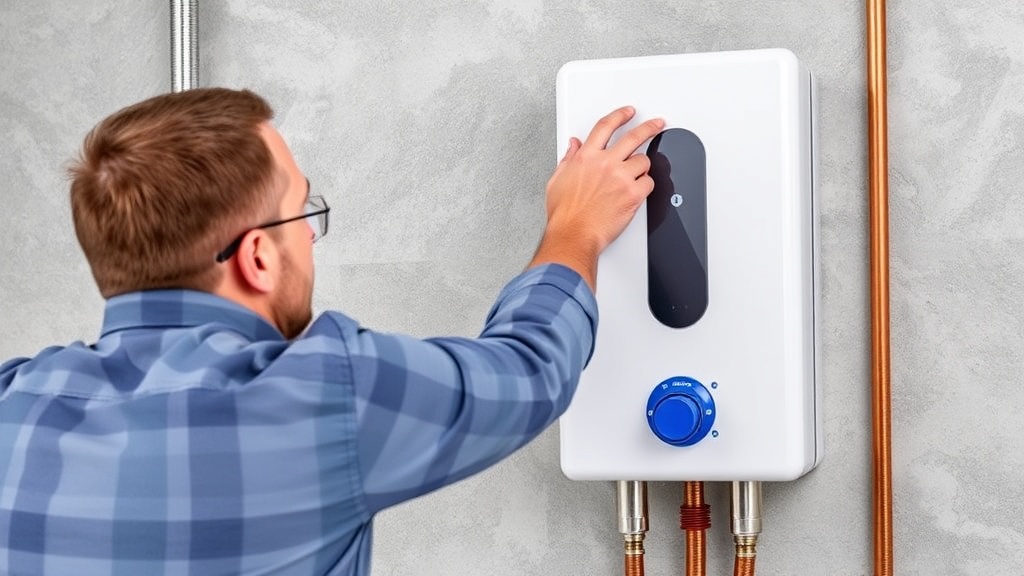
Tankless gas water heater installation transforms how your home delivers hot water by replacing bulky storage tanks with compact, wall-mounted units that heat water instantly as it flows through the system. These on-demand systems typically require professional installation because they involve complex gas line modifications, precise venting configurations, and electrical connections that must meet strict 2026 building codes. According to the U.S. Department of Energy, proper gas tankless water heater setup eliminates standby energy losses that account for 10-20
What Are the Critical Installation Requirements?
Installing a tankless gas water heater involves several critical steps that affect system performance, safety, and longevity. Understanding key installation requirements helps you prepare properly and ensures your investment delivers efficient hot water for years to come.
-
Professional tankless gas water heater installation requires upgrading your gas line to at least 3/4-inch diameter in most cases, as tankless units demand higher BTU ratings than traditional tank models. Your existing gas line likely can't support the 150,000-199,000 BTUs needed for whole-home hot water, making this one of the most significant cost factors in the installation process.
-
You'll need proper ventilation that meets local building codes, which typically means installing Category III stainless steel venting that can handle the high-efficiency exhaust temperatures. Unlike tank water heaters that use standard B-vent, tankless units produce cooler, more acidic condensate that requires corrosion-resistant materials and proper drainage to prevent damage to your home.
-
Electrical requirements for tankless gas water heater installation include a dedicated 120V outlet near the unit to power the electronic ignition, control board, and digital display. Even though these are gas units, they can't operate without electricity, so you'll need a licensed electrician if no outlet exists at the installation location.
-
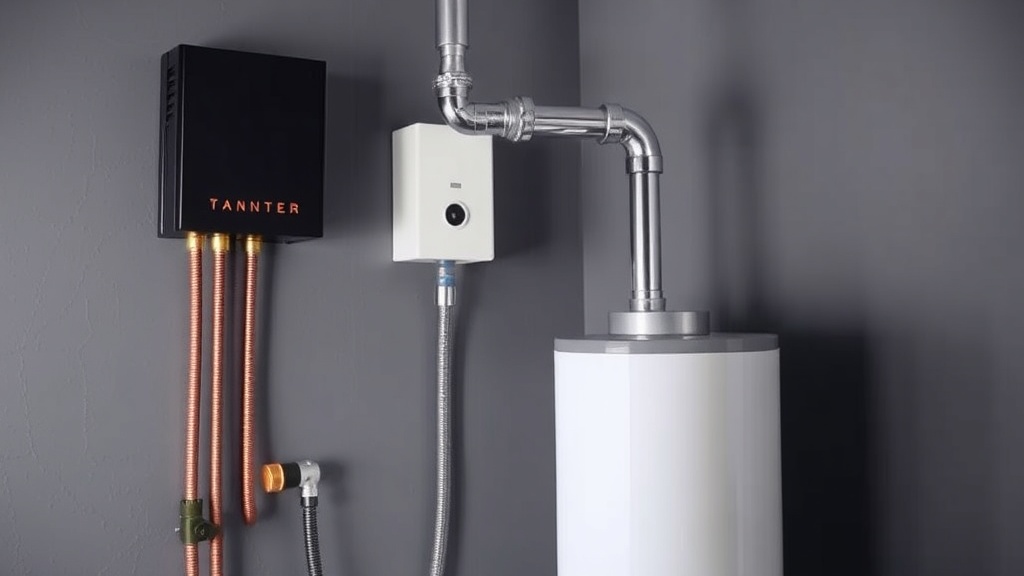
Reviewing detailed installation wiring diagrams before starting your project helps you understand the complexity of connections between gas supply, water lines, venting, and electrical components. These visual guides show why professional installation protects your investment and ensures all systems integrate safely.
-
Budget for permit costs and mandatory inspections, as most jurisdictions require both plumbing and gas permits for tankless installations. Licensed contractors typically handle the permitting process, but if you're attempting a DIY install, you'll need to schedule inspections at specific stages to ensure compliance with local codes and manufacturer warranty requirements.
-
Calculate your home's peak hot water demand in gallons per minute before selecting a unit size, factoring in simultaneous uses like showers, dishwashers, and washing machines. Undersizing your tankless water heater leads to temperature fluctuations and disappointing performance, while oversizing wastes money on capacity you won't use.
Understanding Installation Costs and Timeframes
Gas-powered models demand proper venting systems, upgraded gas line sizing, and professional installation by licensed plumbers and certified gas technicians. Errors in gas line installation can create serious safety hazards including carbon monoxide exposure. Professional installation typically ranges from $2,800 to $6,500 in 2026. The installation process usually takes 6-10 hours for straightforward replacements, but can extend to multiple days if your home needs significant modifications. Installing a gas tankless water heater requires specialized expertise and careful attention to local building codes, making it distinctly more complex than replacing a traditional tank unit. Understanding installation wiring diagrams helps you appreciate the electrical requirements, as even gas models need dedicated 120-volt circuits for ignition and controls.
Making Your Installation Decision
{
Get Hot Water Today
Same-day water heater replacement by licensed, vetted plumbers.
Upfront pricing. No hidden fees. Guaranteed.
⚡ Available 24/7 — St. Louis Metro Area