
Professional Electric Water Heater Replacement and Repairs: A Homeowner’s Complete Decision Guide
Deciding on this system is tough. Cold showers or high bills often mean failing elements. Choose between fixes or upgrades based on your tank's age and repair costs. You can evaluate various replacement options to determine if a modern, energy-efficient model makes sense for your home's long term needs and budget.
Expert Guide to Electric Water Heater Replacement and Repairs
Deciding on the unit depends on age and damage. Units over 10 years usually need replacing. You can fix elements cheaply, but a leaking, corroded tank requires a new unit. Our electric heater guide helps you evaluate these variables to ensure you aren't wasting money on a system that will inevitably fail within months of a service call.
When Repairs Make Sense
Thermostats and heating elements are the most frequent candidates for successful repair. When you notice a sudden drop in water temperature, it usually points to a failed electrical component. Most manufacturers offer a guide to help you identify if a part swap is cost-effective based on current labor rates.
When Replacement Is Necessary
Safety's the main concern with pressurized tanks. A leaking tank risk is too high, making immediate replacement your only path. If your current unit is showing its age, exploring modern replacement options can improve your home's energy efficiency and prevent the catastrophic mess of a tank failure in your utility room.
Cost Comparison: Repair vs. Replacement
Choosing between this equipment depends on age. Units over 10 years often face corrosion. If yours is newer, minor fixes like thermostats cost $150 to $450. These repairs save money and extend your equipment's life. Looking at an electric heater guide can help you determine if your specific model is worth the investment of a professional house call.
Average Repair Costs in 2026
A new electric unit costs $1,200 to $2,800 in 2026. This includes the heater, labor, and old unit disposal. Choosing modern replacement options can lead to better long term performance and lower monthly energy bills compared to keeping an aging system that requires frequent maintenance.
Full Replacement Investment
Hidden costs include electrical upgrades or thermal expansion tanks. You might also need a new drain pan or venting modifications. Checking a detailed Water Heater Maintenance Guide can help you avoid these surprise expenses by keeping your current system in peak condition for as long as possible.
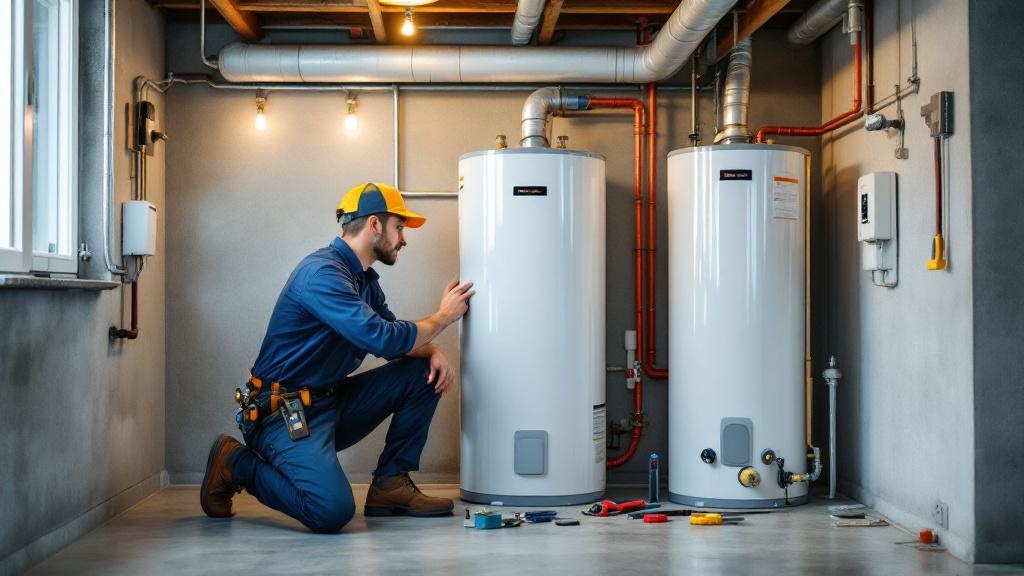
Budgeting for your plumbing needs becomes easier when you understand the common price points for different tasks. Whether you need a simple fix or a total swap, these estimates reflect current 2026 market rates for a new water heater.
-
Test the upper and lower heating elements with a multimeter to identify electrical failures before committing to a full replacement. You can often save money by simply swapping out a burnt-out element or a faulty thermostat rather than buying a whole new tank system.
-
Evaluate the age and condition of your tank to determine if electric water heater replacement and repairs are the more cost-effective long-term solution. Units older than ten years frequently develop internal corrosion that makes repeated small repairs a poor financial investment compared to modern high-efficiency models.
-
Flush the tank annually to remove sediment buildup that insulators heating elements and reduces overall efficiency. This simple maintenance task prevents the popping sounds caused by steam bubbles trapped under mineral deposits and significantly extends the lifespan of your internal components and the tank lining.
-
Check the sacrificial anode rod every three years to prevent the steel tank from rusting through prematurely. Replacing a depleted rod is an inexpensive way to avoid catastrophic leaks, and you can find more detailed maintenance tips in this comprehensive [electric heater guide] to help maximize your equipment's functional life.
-
Verify the electrical connections and circuit breaker ratings match the requirements of your specific water heater model. Loose wiring or undersized breakers can cause intermittent power issues or fire hazards, so ensure all high-voltage connections are tight and meet local building codes for safety.
|
Service Type |
Estimated Cost |
Average Lifespan |
Primary Benefit |
|---|---|---|---|
|
Heating Element Repair |
$150 – $300 |
3 – 5 Years (Part) |
Restores consistent heating |
|
Thermostat Replacement |
$150 – $250 |
5 – 8 Years (Part) |
Accurate water temperature |
|
Tank Flush/Maintenance |
$80 – $200 |
Extends Unit Life |
Removes sediment buildup |
|
Standard Unit Replacement |
$800 – $1,500 |
10 – 15 Years |
Full warranty and reliability |
|
Hybrid/Heat Pump Install |
$1,500 – $3,500 |
10 – 15 Years |
Maximum energy efficiency |
Long-Term Value and Efficiency Considerations
Modern tanks use high-density insulation and elements that outperform older models. Upgrading provides an immediate 20 to 30 percent efficiency boost. It's often smarter to replace 10 year old units than repair them. Deciding between electric water heater replacement and repairs often comes down to the long-term math of energy consumption.
Energy Efficiency and Savings
Operating costs drop significantly when you upgrade to high-efficiency electric models. New smart features allow better scheduling, ensuring you don't pay to heat water while asleep or away. Many homeowners find that the cumulative savings on electricity over five years cover a large portion of the initial heater installation cost.
Warranty Coverage Differences
Warranty protection provides a major financial safety net that repairs simply can't match. While a repair might only carry a 90-day guarantee on parts, a full system replacement typically includes a 6 to 12-year manufacturer warranty. This coverage ensures you won't face unexpected out-of-pocket expenses if a component fails prematurely.
Making the Right Decision for Your Home
Choose electric water heater replacement and repairs based on age, failure frequency, and efficiency. Replace systems over 12 years old if repairs exceed half the cost. Newer models save 20 percent on electricity. Reviewing this electric heater guide will help you understand how modern technology can lower your monthly utility bills while providing more consistent hot water for your household.
Age and Condition Assessment
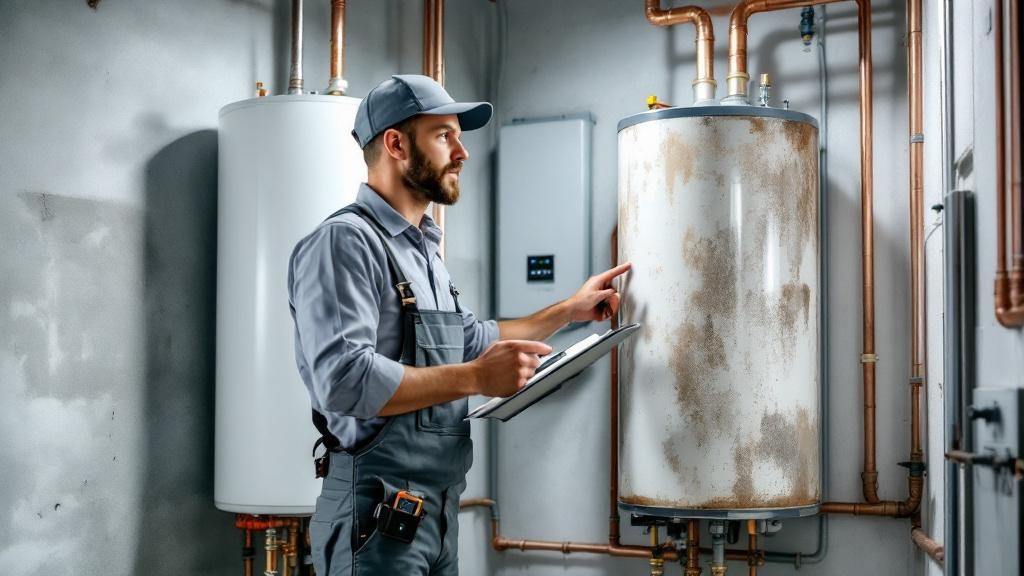
Pros use tools to check your heating elements and tank integrity. This expert assessment prevents you from wasting money on temporary fixes for failing systems. By evaluating these technical indicators, they can provide a clear picture of when to repair or replace your water heater based on long-term reliability.
Professional Evaluation Benefits
Ask your contractor about repair lifespan versus replacement costs. You need to know if it's a systemic failure or a simple part fix to balance immediate expenses with long term energy savings. Inquire about various replacement options to see if a high-efficiency model qualifies for 2026 tax credits.
How do I know if I need electric water heater replacement and repairs?
You likely need professional attention if your hot water has a rusty color, makes loud popping noises, or if you notice puddles forming around the base of the tank. While a failed heating element is a simple fix, a leaking tank usually means it's time to replace water heater units rather than attempting a patch. Most electric models last between 10 and 15 years, so keep an eye on the manufacture date listed on the tank's rating plate. If your unit is over a decade old and requires constant adjustments, investing in a new system is often more cost effective than paying for repeated service calls.
What are the most common electric water heater repairs homeowners face?
The most frequent issues involve failed heating elements or faulty thermostats that lead to lukewarm or completely cold water. You might also deal with a tripped high-limit switch, which acts as a safety reset when the water gets too hot. Replacing these internal components is relatively inexpensive and can extend the life of your appliance by several years. Plumbers also frequently replace corroded anode rods to prevent the tank from rusting from the inside out. If you see water dripping from the temperature and pressure relief valve, it might just need a quick replacement to keep the system operating safely.
Which factors influence the cost of electric water heater replacement and repairs?
Total costs depend primarily on the tank capacity, the energy efficiency rating, and any necessary upgrades to meet current building codes. In 2026, labor rates and local permit fees also play a significant role in the final price of your project. If your existing electrical wiring or circuit breaker isn't sufficient for a high-efficiency model, you might need electrical upgrades alongside the plumbing work. Opting for a hybrid heat pump model will have a higher upfront cost but significantly lowers your monthly utility bills compared to standard resistance heaters. Accessibility also matters, as units tucked away in tight crawlspaces or attics require more labor to swap out.
How long does a typical electric water heater installation take?
A standard swap usually takes between two and four hours from the time the plumber arrives until you have hot water again. This timeframe includes draining the old tank, disconnecting the electrical and water lines, and securing the new unit in place. If your home requires new venting for a hybrid model or if the piping needs significant reconfiguration, the job could take a full afternoon. Most professionals will also spend time testing the heating elements and checking for leaks before they consider the job finished. You should plan to be without water for at least a portion of this window while the main valves are closed.
Can I replace an electric water heater myself or should I hire a pro?
It is generally safer to hire a licensed professional because this task involves working with high-voltage electricity and pressurized water systems. Improper wiring can lead to a fire hazard, while a poorly installed pressure relief valve could cause the tank to fail dangerously. A plumber ensures that the tank is properly grounded and that the plumbing connections won't develop slow leaks behind your walls. Professional installation also preserves your manufacturer warranty, which many companies void if the unit wasn't put in by a certified technician. Hiring an expert means your home stays up to code and you don't have to worry about hauling a heavy, water-logged old tank to the disposal site yourself.
Choose the Best Path Forward
Choose electric water heater replacement or repairs based on age. Acting now prevents leaks and ensures better energy efficiency. If your system is over a decade old or requires frequent fixes, investing in a new water heater is usually more cost-effective. Professional technicians can provide an accurate assessment to help you choose the best replacement options for your home's hot water needs.
Get Hot Water Today
Same-day water heater replacement by licensed, vetted plumbers.
Upfront pricing. No hidden fees. Guaranteed.
⚡ Available 24/7 — St. Louis Metro Area