
Water Heater Valve Replacement: Complete Guide to DIY or Professional Installation
When valves fail, they cause leaks, pressure buildup, or complete loss of hot water throughout your home. Water heater valve replacement is one of the most critical maintenance tasks homeowners can perform to prevent costly water damage and extend their system's lifespan. Understanding when to replace these components and which types require professional drain valve replacement versus DIY solutions can save you thousands in emergency repairs.
Why Water Heater Valve Replacement Matters
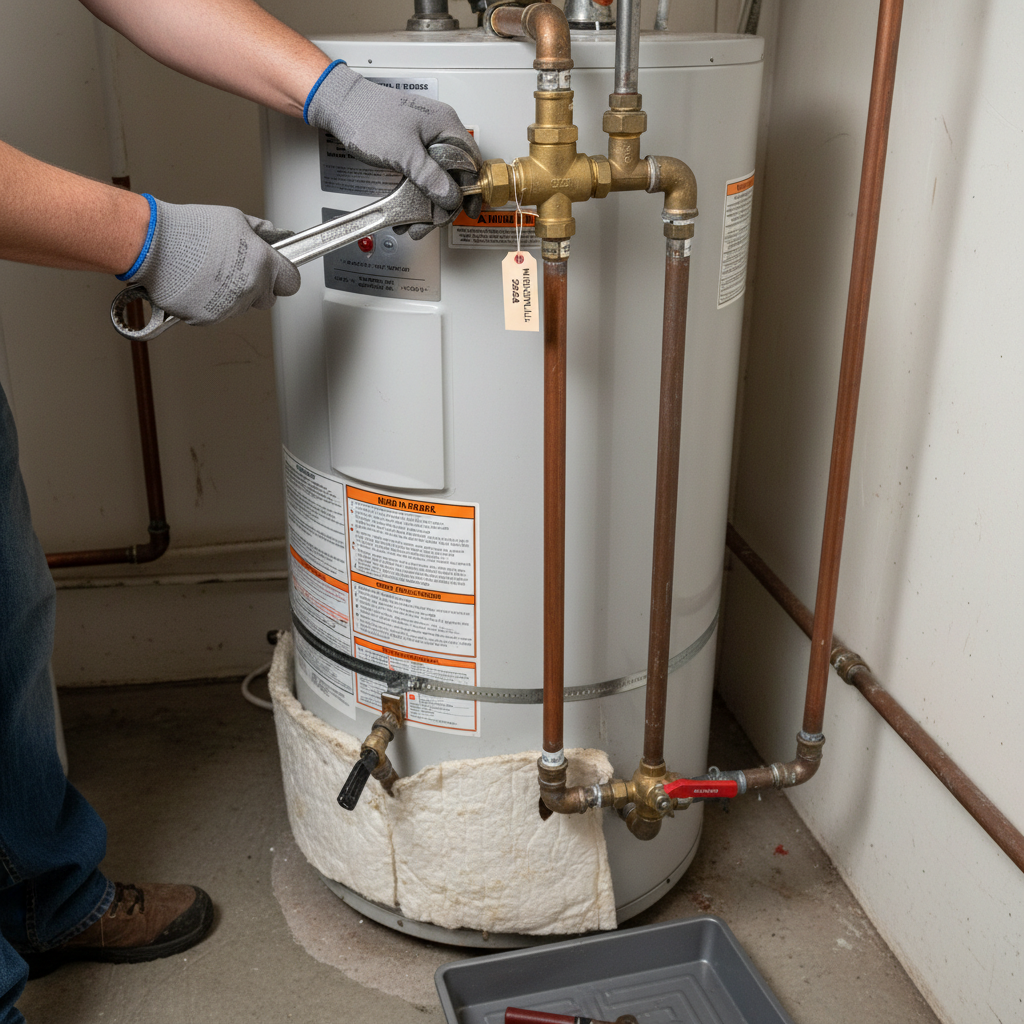
This critical maintenance task can prevent costly water damage and extend your unit's lifespan. Most homeowners can handle a temperature and pressure relief valve replacement with basic tools, but drain valve repairs might require more expertise. Test the new valve thoroughly after installation and check for leaks. When you notice water pooling around your water heater or hear unusual hissing sounds, it's often time for water heater valve replacement.
Signs Your Valves Need Attention
Water heater valve replacement is a common maintenance task that can prevent leaks and extend your system's lifespan. You'll want to address valve issues promptly.
-
Identify the specific valve type before purchasing replacement parts. Water heaters typically feature three main valves: the temperature and pressure relief (T&P) valve, the drain valve, and the shut-off valve. Identifying the exact component ensures you gather the correct materials and prevents the purchase of incompatible parts.
-
Turn off the water supply and power source before starting any valve replacement. For electric units, flip the breaker switch; for gas models, turn the control valve to the pilot position. Drain several gallons of water from the tank to relieve pressure and prevent flooding during the replacement process.
-
Inspect the valve threads and tank opening for corrosion or damage during removal. Mineral buildup can make old valves difficult to extract, and forcing them may strip threads or crack the tank. Application of penetrating oil for 15-20 minutes can loosen stubborn valves and prevent costly damage to the tank.
-
Apply thread sealant tape or pipe dope correctly to ensure a watertight seal. Wrap the tape clockwise around the male threads three to four times, or apply a thin layer of pipe dope rated for potable water. Avoid over-tightening the valve during installation, as excessive force can crack fittings or damage tank threads.
-
Test the new valve installation before refilling the tank to catch leaks early. Slowly turn the water supply back on and monitor the connection for drips. If a leak occurs, drain the water again to check if the threads require additional sealant or slight adjustment.
-
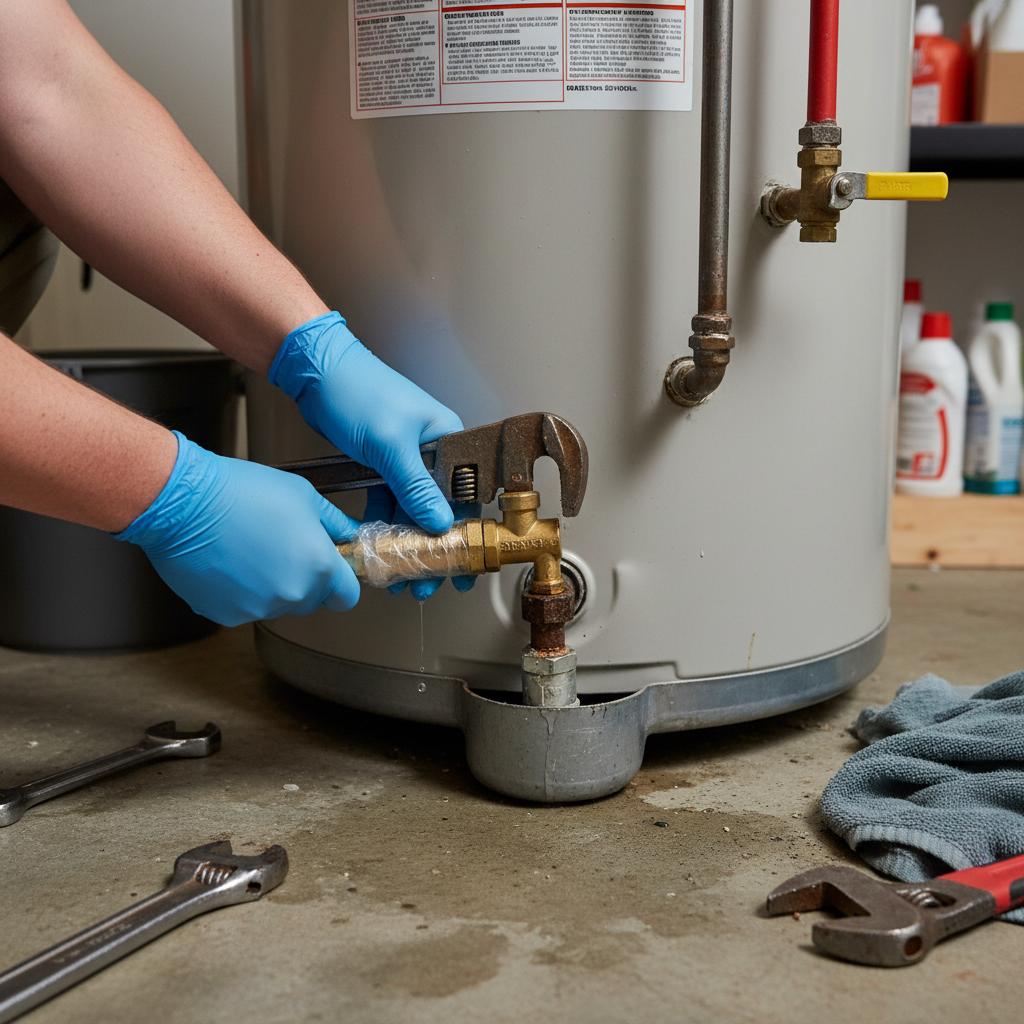
Coordinate drain valve replacement with other maintenance tasks, such as inspecting anode rods, to extend the water heater’s lifespan. While drain valves typically require replacement every three to five years depending on water quality, aligning these tasks ensures comprehensive system maintenance and saves time.
The Professional Replacement Process Explained
When you notice leaks around the temperature and pressure relief valve or drain valve, it's time to replace it. Water heater valve replacement is a critical maintenance task that can prevent costly water damage and restore your system's efficiency. These valves don't last forever, and ignoring the warning signs can lead to bigger problems down the road.
Protecting Your Investment With Proper Valve Care
Proactive water heater valve replacement valve replacement protects your home from costly water damage and extends equipment lifespan. Regular drain valve replacement and anode rod maintenance work together to prevent corrosion and leaks. For comprehensive guidance on maintaining your system, consult professional resources to keep your investment running efficiently.
Get Hot Water Today
Same-day water heater replacement by licensed, vetted plumbers.
Upfront pricing. No hidden fees. Guaranteed.
⚡ Available 24/7 — St. Louis Metro Area