
Water Heater Pressure Relief Valve Leaking: Causes and Solutions
A water heater pressure relief valve leaking can signal anything from normal operation to a serious underlying problem. When your hot water heater pressure relief valve leaking occurs, it's crucial to understand what's happening inside your tank. Wondering why your relief valve is leaking? The reasons vary from excessive pressure buildup to mineral deposits and faulty valve components. Whether you're dealing with a new unit or an older one, a leaking relief valve demands immediate attention. This guide walks you through identifying the cause, determining if you need water heater leak repair, and preventing future issues.
Understanding Hot Water Heater Pressure Relief Valve Leaking
A pressure relief valve serves as your water heater's safety mechanism, designed to release excess pressure before it causes damage to the tank or surrounding plumbing. When pressure exceeds safe levels (usually around 150 PSI), persistent dripping or streams of water indicate the valve itself may be failing. Common culprits include sediment buildup inside the tank, excessive water pressure from your municipal supply, or simply age-related wear on the valve mechanism. A new hot water heater pressure relief valve leaking shortly after installation often points to installation error or incompatible pressure settings. Temperature fluctuations can also trigger temporary leaking that resolves once the system stabilizes. Don't ignore pressure relief valve leaking on your water heater, as continuous discharge wastes energy and water while indicating dangerous pressure conditions. Understanding why your water heater pressure relief valve is leaking helps you determine whether you need immediate water heater repair or can safely monitor the situation. Expert technicians recommend checking your water heater repair needs promptly. According to Heating Geek, sediment accumulation ranks among the most preventable causes of relief valve failure. Regular water heater repair and maintenance can extend your system's lifespan significantly. Professional inspection identifies whether you're dealing with a simple adjustment, valve replacement, or water heater repair of underlying tank issues.
How Pressure Relief Valves Function
A hot water heater pressure relief valve leaking typically signals that internal tank pressure has exceeded safe levels, and the valve is doing its job by releasing excess pressure. This safety mechanism prevents your water heater from rupturing or causing damage to surrounding plumbing connections. When you notice water dripping from the valve outlet, it's not necessarily a malfunction, but it does warrant investigation. The valve may be releasing pressure due to thermal expansion (when water heats, it expands and needs somewhere to go), excessive incoming water pressure, or a faulty valve that's stuck partially open. Understanding why your water heater pressure relief valve is leaking helps you determine whether you need immediate repairs or if the discharge is temporary and manageable.
Recognizing Active Valve Discharge
A new hot water heater pressure relief valve leaking is often one of the most alarming discoveries for homeowners, yet it doesn't always signal disaster. The valve serves a critical safety function by releasing excess pressure that builds up inside your tank. When a hot water heater pressure relief valve leaking occurs shortly after installation, it typically stems from excessive pressure in the system, faulty valve calibration, or a defective unit from manufacturing. Understanding why your water heater pressure relief valve leaking happens helps you determine whether the issue requires immediate professional attention or if adjusting water pressure settings resolves the problem. A pressure relief valve leaking on water heater can also result from mineral buildup or corrosion that prevents the valve from sealing properly.
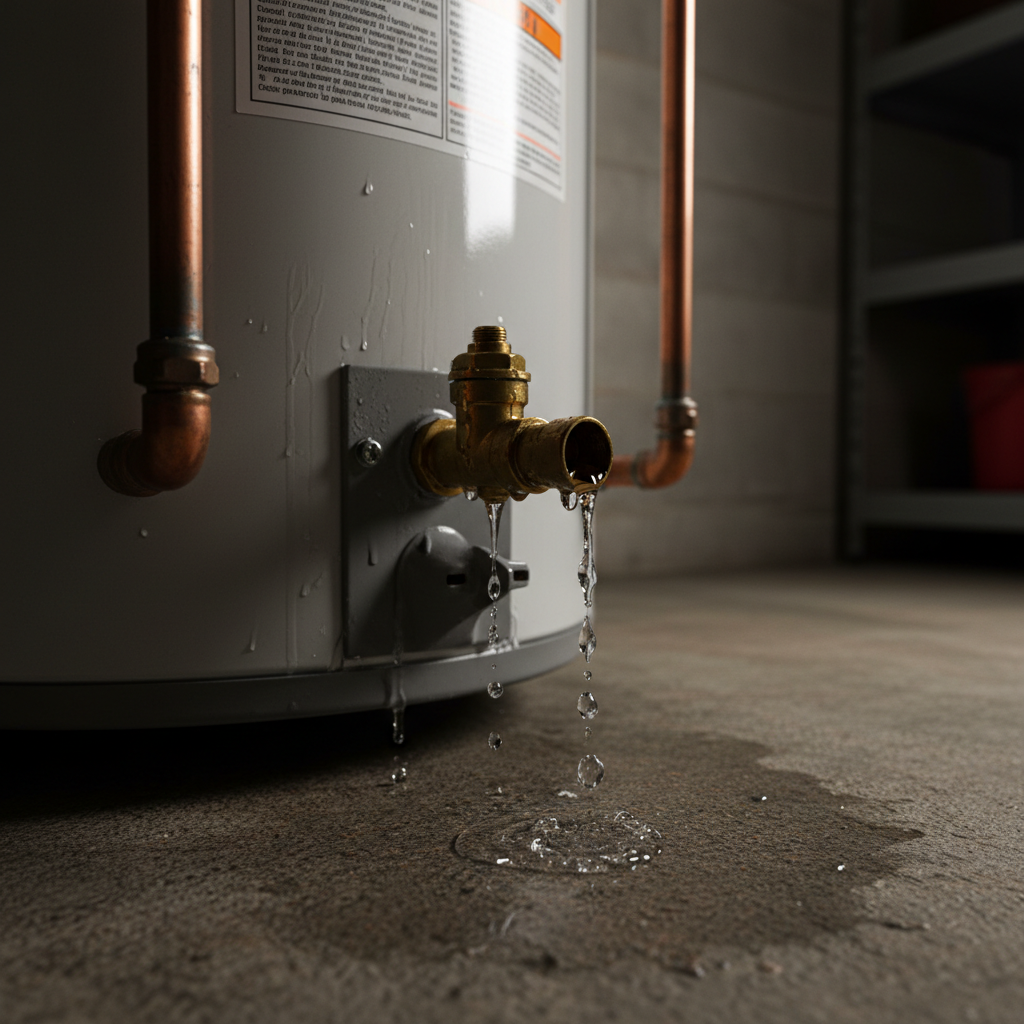
A leaking pressure relief valve on your water heater isn't just an inconvenience, it's a sign that something needs attention. Learn the most common reasons why this happens and what you can do to stop the leak before it causes water damage or more costly repairs.
-
Excessive tank pressure builds up when the pressure relief valve can't function properly, forcing water to escape as a safety measure
-
Temperature settings above 120°F increase pressure inside the tank, making a water heater pressure relief valve leaking more likely
-
Mineral deposits and sediment accumulate inside the valve over time, preventing it from sealing completely and causing persistent drips
-
A faulty or worn valve seat develops cracks or corrosion that won't allow the valve to close, even on new hot water heater pressure relief valve installations
-
High water pressure from your municipal supply (above 80 PSI) puts constant stress on the valve and may require a pressure regulator
-
Contact a professional for water heater repair if dripping continues after adjusting temperature or if you see water pooling around the tank base
Why Is My Water Heater Pressure Relief Valve Leaking
Excessive pressure buildup in your tank is the most common cause of a water heater pressure relief valve leaking. When water heats, it expands, and if that pressure exceeds the valve's threshold, it opens to release steam and prevent dangerous tank rupture. A new hot water heater pressure relief valve leaking may indicate the valve itself is faulty or incompatible with your system's pressure rating. Mineral deposits and sediment can prevent the valve from sealing properly. High water pressure from your main supply line is another frequent culprit, pushing the valve open even when temperatures are normal. If you're experiencing a pressure relief valve leaking on water heater, the issue demands attention because leaks waste water and energy. Don't ignore persistent leaking, as this can lead to tank failure. Professional water heater repair can identify whether you need valve replacement or pressure regulation adjustment. According to Water Heating Direct, checking your system's pressure relief valve regularly prevents costly damage. Many homeowners don't realize that water heater repair specialists can install expansion tanks or pressure regulators to prevent future leaks. Addressing the root cause now saves you from expensive emergency water heater repair visits later. Our licensed technicians can assess your system and recommend the best solution, whether that's water heater repair or component replacement.
Thermal Expansion and Pressure Buildup
A water heater pressure relief valve leaking typically stems from one of three core issues: excessive tank pressure, a faulty valve, or mineral buildup. When your hot water heater pressure relief valve leaking occurs, it's your system's way of protecting itself from dangerous pressure conditions. Most commonly, sediment accumulation at the valve seat prevents it from sealing properly, forcing water to drip continuously. Temperature settings pushed too high also trigger the valve to open and release pressure, resulting in persistent leaks. Even a new hot water heater pressure relief valve leaking can indicate an installation problem or that the tank's internal temperature and pressure (T&P) settings were miscalibrated during setup. Understanding why is my water heater pressure relief valve leaking is essential because ignoring it wastes water and energy while potentially masking a more serious pressure problem developing inside your tank.
Sediment Accumulation and Valve Corrosion
Excessive Tank Pressure: Your water heater pressure relief valve leaking often signals that internal pressure has climbed too high inside the tank. As water heats, it expands, and if the tank can't accommodate this thermal expansion, pressure builds rapidly. A failing expansion tank (which absorbs excess pressure) is a common culprit. Mineral Buildup: Sediment accumulation inside the tank can prevent the pressure relief valve from sealing properly. Hard water deposits coat the valve seat, preventing a tight seal and allowing water to drip. A New Hot Water Heater Pressure Relief Valve Leaking: Sometimes a brand-new valve fails due to manufacturing defects or improper installation. If the valve wasn't installed with adequate Teflon tape or pipe dope sealant, leaks develop immediately.
Taking Action on Water Heater Pressure Relief Valve Leaks
A leaking pressure relief valve doesn't have to become a costly emergency. By catching the problem early, understanding why it's happening, and taking preventive steps like regular maintenance and temperature adjustments, you can protect your water heater and avoid water damage. Don't ignore persistent dripping or pooling water around your tank. Address the issue promptly to keep your system running safely and efficiently for years to come.
Get Hot Water Today
Same-day water heater replacement by licensed, vetted plumbers.
Upfront pricing. No hidden fees. Guaranteed.
Available 24/7 — We answer day or night, weekends & holidays