
Water Heater Leaking: Causes, Solutions, and When to Replace
Discovering your water heater leaking is never welcome news. Whether you're dealing with slow leaks or spotting puddles underneath, the question "why is my water heater leaking?" demands immediate answers. Leaks from the bottom can signal anything from corrosion to loose connections. This guide walks you through identifying warning signs and understanding when water heater leak repair becomes necessary versus full replacement.
Understanding Hot Water Heater Leaking Issues
A hot water heater leaking can range from minor drips to serious water damage, and identifying the source is your first step toward resolution. Water pooling around your unit, visible moisture on the tank exterior, or reduced hot water pressure all signal a problem that needs immediate attention. The good news is that not every leak means replacement, many issues are fixable with water heater troubleshooting or professional intervention. Common culprits include corroded drain valves, loose inlet/outlet connections, and mineral sediment buildup inside the tank. If you're asking why is my water heater leaking, sediment accumulation is often the answer, especially in older units or areas with hard water. According to Gandc Plumbing, sediment buildup creates pressure that forces water through microscopic cracks. A water heater leaking from bottom typically signals internal tank deterioration, which is more serious than connection leaks. Getting a quick water heater assessment from a professional prevents small leaks from becoming costly water damage. Most water heater repair jobs run between $150-500 depending on complexity, making early detection genuinely worthwhile.
Pressure Relief Valve Failure Signs
A hot water heater leaking can stem from several common causes that warrant immediate attention. Corrosion inside the tank is one of the most frequent culprits, especially in units over 8-12 years old, as mineral deposits and rust gradually eat through the steel. Temperature and pressure relief valves sometimes malfunction, releasing water as a safety mechanism when internal pressure builds excessively. Loose or corroded inlet and outlet connections at the top of the unit can develop small drips that worsen over time. Understanding why your water heater is leaking helps you determine whether a repair will suffice or if replacement makes more sense. Small leaks from connections might be tightened, while a hot water heater leaking from the tank itself typically signals the unit's lifespan is ending.
Tank Corrosion and Age Indicators
A hot water heater leaking often signals one of several common internal failures. Sediment buildup inside the tank corrodes the interior lining, eventually creating small holes where water seeps out. The drain valve at the bottom of your unit can also fail, causing water heater leaking from bottom to accumulate on your floor. Temperature and pressure relief valves sometimes malfunction, releasing water as a safety mechanism when internal pressure spikes. If you notice pooling water beneath your unit or dampness around the base, these are clear signs your hot water heater leaking requires immediate attention. The longer you delay addressing why is my water heater leaking, the greater the risk of water damage to your home and higher repair costs down the line.
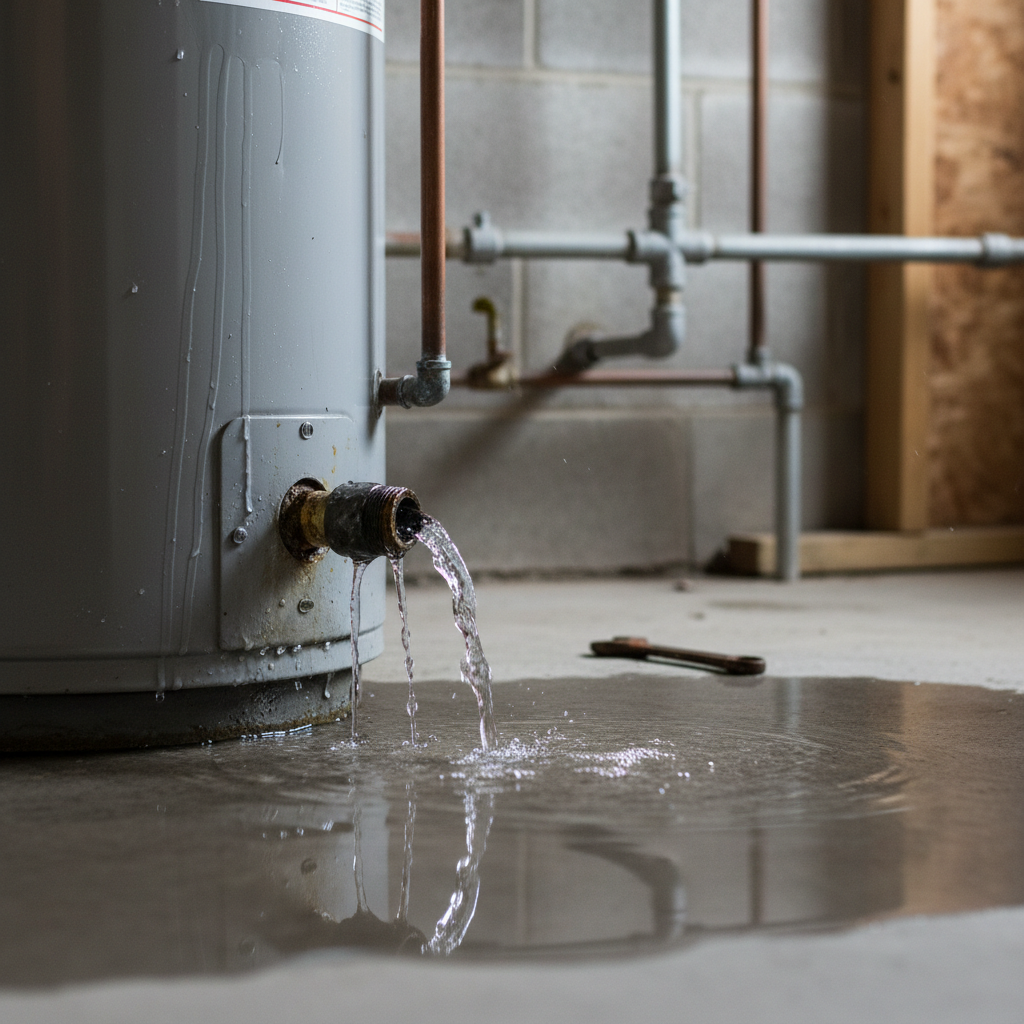
A water heater leaking can range from minor drips to serious flooding, and catching it early makes all the difference. In this list, you'll learn how to spot the warning signs, understand what causes leaks at different parts of your tank, and discover practical steps to prevent water damage and costly repairs.
-
Sediment buildup at the tank bottom causes corrosion and small leaks that worsen over time without maintenance
-
Pressure relief valve fails or gets stuck, forcing water to escape through small openings or seams
-
Tank rust develops from mineral deposits, creating pinhole leaks that typically start at the water heater leaking from bottom
-
Loose drain valve or damaged valve connections allow water to drip steadily onto your floor
-
High water pressure (exceeding 80 PSI) stresses tank seams and causes water heater leaking at weak points
-
Failed temperature and pressure relief valve prevents proper pressure release, triggering leaks from joints and seals
-
Schedule water heater repair immediately if you notice pooling water or constant dripping
Why Your Water Heater Leaking From Bottom
When a hot water heater leaking from the bottom occurs, it typically signals a serious issue that demands immediate attention. The tank's lowest point is where sediment accumulates over time, and corrosion often begins there, making this the most critical area to monitor. A water heater leaking from bottom can stem from several causes: a corroded drain valve, a failing temperature and pressure relief valve, or internal tank deterioration. According to Nerdwallet, understanding why your water heater is leaking from the bottom helps you determine whether repair or replacement is necessary. Drain Valve Issues: If the drain valve has corroded or loosened, water will seep out steadily. Tank Corrosion: Rust eating through the tank bottom creates pinhole leaks that worsen quickly. Relief Valve Failure: A faulty temperature and pressure relief valve can't properly release excess pressure, forcing water out the lowest point. If you notice pooling water or persistent dampness beneath your unit, contact a professional for water heater repair immediately. Don't wait for small leaks to become major damage. A licensed technician can perform water heater repair to replace the valve or assess whether your tank needs replacement. Most bottom leaks indicate your unit is nearing the end of its serviceable life, typically 8-12 years. Acting quickly prevents water damage to your home's foundation and flooring. Getting professional water heater repair assessment can save thousands in property damage costs.
Drain Valve and Sediment Buildup
A water heater leaking from bottom typically signals one of two problems: either the drain valve has corroded and sprung a leak, or the tank itself has developed rust holes. The drain valve sits at the lowest point of your water heater and naturally collects sediment over time. When minerals accumulate, they can cause the valve to deteriorate, resulting in a hot water heater leaking from bottom that's often slow but persistent. If you notice water pooling directly beneath the tank rather than near the valve, this suggests internal tank corrosion. Why is my water heater leaking from the base? Sediment buildup accelerates rust formation in older tanks, especially in areas with hard water. Unlike leaks higher up on the unit, bottom leaks demand faster attention because they compromise the tank's structural integrity and can lead to sudden failure.
Tank Structural Damage Assessment
When a hot water heater is leaking from the bottom, you're typically looking at a serious structural issue that demands prompt attention. The tank's lowest point bears constant pressure from water sitting above it, so rust and corrosion accumulate faster there than anywhere else. A hot water heater leaking from bottom usually signals that the interior lining has deteriorated enough to create pinhole leaks or cracks. Why is my water heater leaking from the bottom specifically? Sediment buildup acts like sandpaper, wearing through protective layers over years of use. Once water escapes from the tank itself (rather than from fittings or the drain valve), replacement is almost always necessary since patching isn't a viable long-term solution. You'll notice puddles forming directly under the unit or water seeping from the lowest seams, which distinguishes this from drain valve or connection leaks.
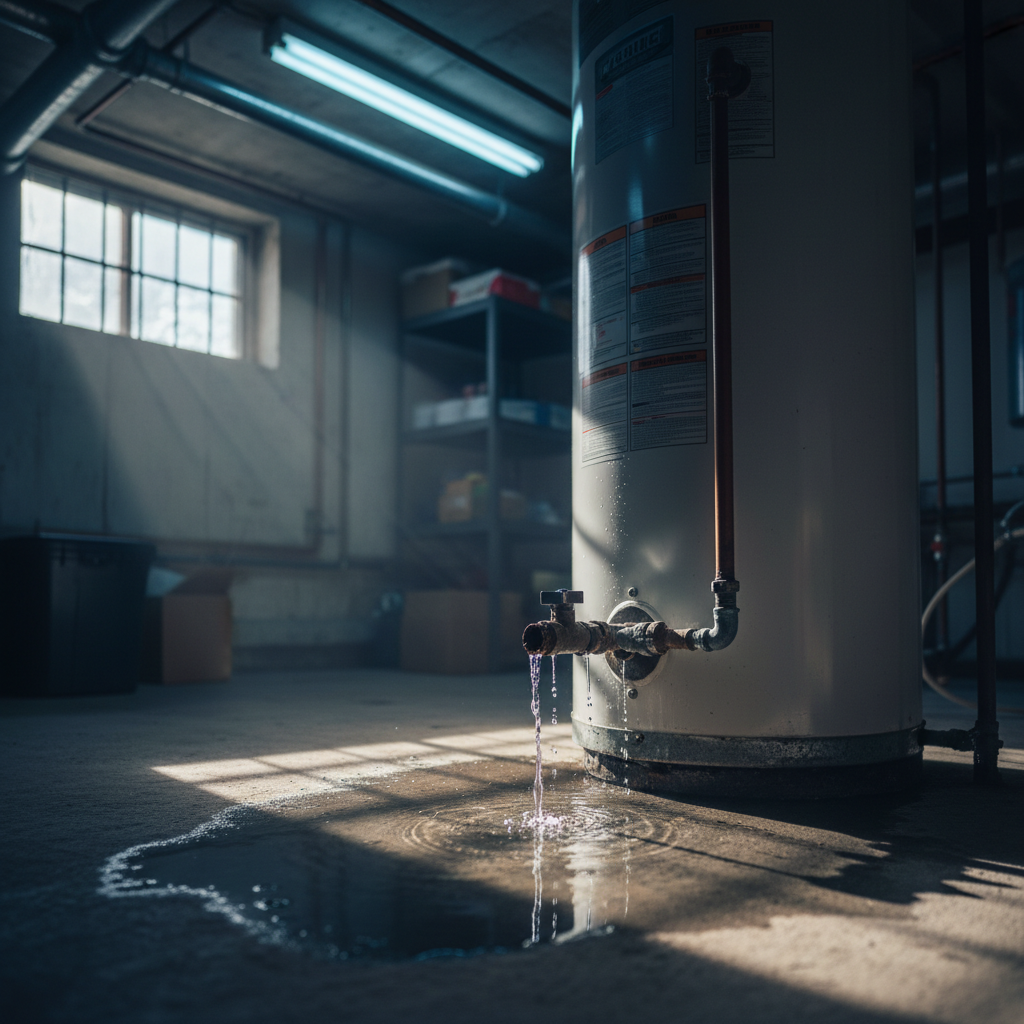
Addressing Your Water Heater Leaking Problem
A leaking water heater demands immediate attention, whether you're dealing with pooling water at the base or dripping connections. The issues you've learned about, from identifying hot water heater leaking symptoms to pinpointing water heater leaking from bottom causes, equip you to assess the situation confidently. Most leaks stem from corrosion, faulty valves, or loose fittings, and catching them early prevents costly water damage. Don't delay on repairs. Contact a licensed professional today to inspect your system and restore reliable hot water service.
Get Hot Water Today
Same-day water heater replacement by licensed, vetted plumbers.
Upfront pricing. No hidden fees. Guaranteed.
Available 24/7 — We answer day or night, weekends & holidays