
7 Essential Tips to Prevent Water Heater Leaking in 2026
Key Takeaways
-
Shut off power and water supply immediately if you notice pooling water around your unit to prevent extensive damage and safety hazards.
-
Annual tank flushing removes sediment that corrodes the bottom, while testing the anode rod every three years prevents internal rust-through.
-
Water pressure above 80 psi strains tank welds and connections—install a gauge and pressure-reducing valve if needed.
-
Weekly visual inspections catch early warning signs like moisture, mineral deposits, or drips before they escalate into flooding.
-
T&P valve failures, loose connections, and drain valve issues cause most leaks and can often be fixed before requiring full replacement.
A water heater leaking can quickly turn from a minor inconvenience into a costly emergency. When you spot water pooling near your hot water heater, you're facing potential floor damage, wasted energy, and system failure. Understanding why your water heater is leaking helps you prevent thousands in repair costs.
Common Causes of Hot Water Heater Leaking
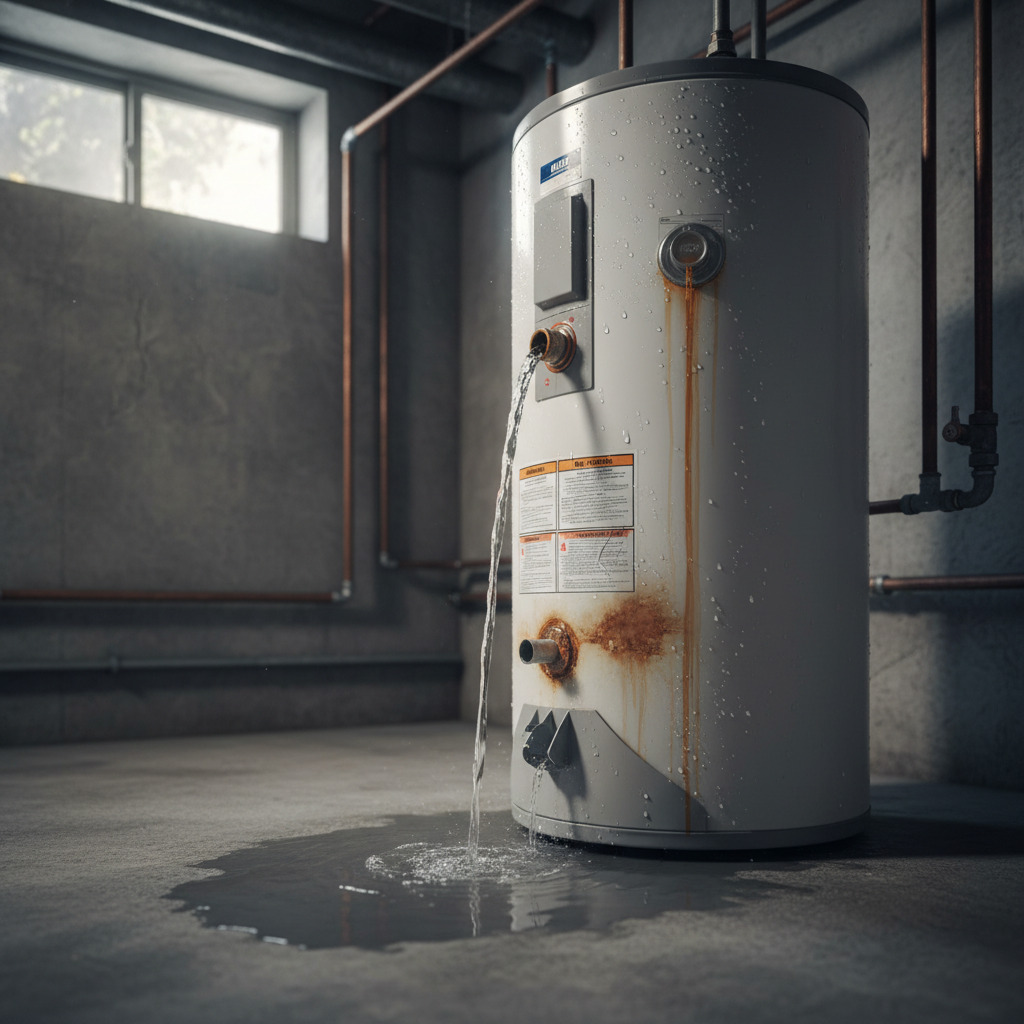
A leaking water heater demands immediate attention because even minor drips can escalate into costly water damage and higher utility bills. When you notice water pooling around your unit, identifying the source quickly determines whether you need professional help. If your hot water heater is leaking from the bottom, shut off the power and water supply.
What Should You Do About a Leaking Water Heater?
A leaking water heater won't fix itself, but you can prevent most failures with these seven straightforward maintenance practices. These actionable tips focus on early detection and routine care that protects your equipment from costly damage.
-
Check the temperature and pressure relief (T&P) valve regularly for drips or small leaks. This safety valve releases excess pressure and can fail over time, causing water to leak from the side or top of your tank. If you notice moisture around the valve or pooling water beneath it, the valve may need replacement to prevent more serious issues down the line.
-
Inspect the area around your water heater's base weekly for signs of moisture or puddles. A leaking water heater often shows early warning signs through dampness on the floor or mineral deposits forming around the tank's bottom. Catching these symptoms early lets you address minor issues before they turn into costly flooding or complete system failure.
-
Monitor your water pressure to prevent tank stress and potential leaks. Excessive water pressure (above 80 psi) puts strain on your tank's welds and connections, leading to premature failure. Install a pressure gauge on a hose bib to test your home's water pressure, and consider a pressure-reducing valve if readings consistently run high.
-
Drain and flush your tank annually to remove sediment buildup that can corrode the tank bottom. Sediment accumulation creates hot spots that weaken the steel and eventually cause the tank to leak from the bottom. This simple maintenance task extends your water heater's lifespan and helps you avoid unexpected failures that require emergency heater repair.
-
Examine all inlet and outlet connections for signs of corrosion or looseness. Fittings at the cold water inlet and hot water outlet can develop leaks due to thermal expansion and contraction over time. Tightening these connections or replacing worn washers can stop minor leaks before they worsen and cause water damage to your home.
-
Test the anode rod every three years to protect your tank from internal corrosion. This sacrificial rod attracts corrosive elements in your water, preventing them from attacking the steel tank itself. When the anode rod becomes too depleted, your tank becomes vulnerable to rust-through and leaking, particularly at the bottom where sediment concentrates.
Identifying Water Heater Leaking from Bottom
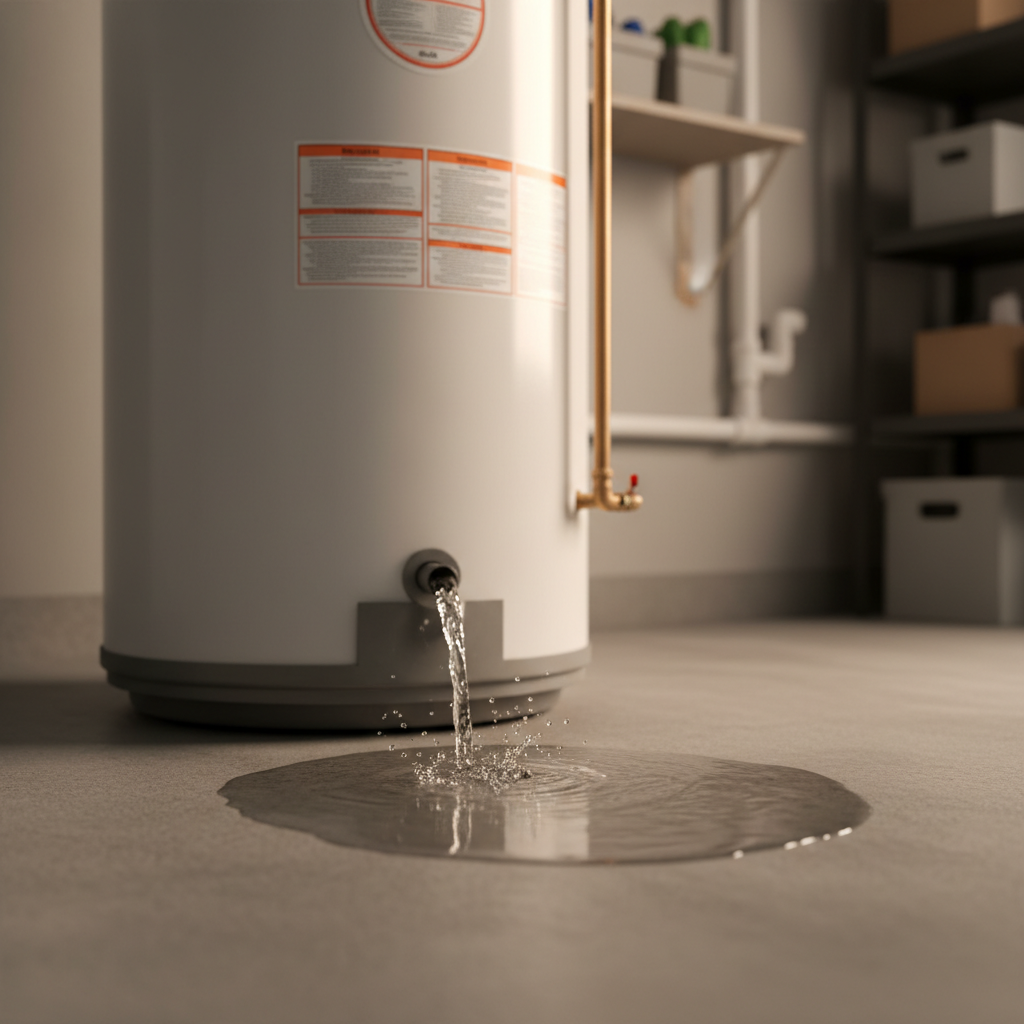
A hot water heater leaking from the bottom signals several potential problems. Common culprits include a failing drain valve, sediment buildup causing tank corrosion, or a cracked tank. When you spot water pooling beneath your unit, check the drain valve, if it's dripping, tighten or replace it. Sediment accumulation weakens the steel and causes leaks.
Protect Your Home with Proactive Leak Prevention
Taking action now can prevent costly emergency repairs down the road. By conducting regular visual inspections, testing your temperature and pressure relief valve annually, and addressing warning signs like rust-colored water or strange noises early, you'll protect your home from water damage and extend your hot water heater's lifespan.
Get Hot Water Today
Same-day water heater replacement by licensed, vetted plumbers.
Upfront pricing. No hidden fees. Guaranteed.
⚡ Available 24/7 — St. Louis Metro Area