
Water Heater Anode Rod Replacement: Complete Professional Guide
Your water heater's protective anode rod quietly sacrifices itself to prevent corrosion, but most homeowners don't realize this critical component needs attention. Understanding water heater rod replacement can add years to your tank's lifespan and save you from unexpected failures. This essential maintenance task protects your investment and keeps hot water flowing reliably.
Understanding Anode Rods and Why They Need Replacement
Water heater rod replacement is a crucial maintenance task that many homeowners overlook. The anode rod in your water heater works tirelessly to prevent corrosion inside the tank. It attracts corrosive elements in the water, sacrificing itself to protect the metal walls of your heater. Without this protection, your tank can rust from the inside out, leading to leaks and eventual failure. Most manufacturers recommend checking the anode rod every two to three years. If you notice your water has a rotten egg smell or rusty discoloration, it's time to inspect the rod. Replacing a worn-out anode rod can extend your water heater's lifespan by several years. The replacement process isn't complicated, but you'll need basic tools and some patience. Don't wait until your heater fails completely.
Signs Your Anode Rod Needs Attention
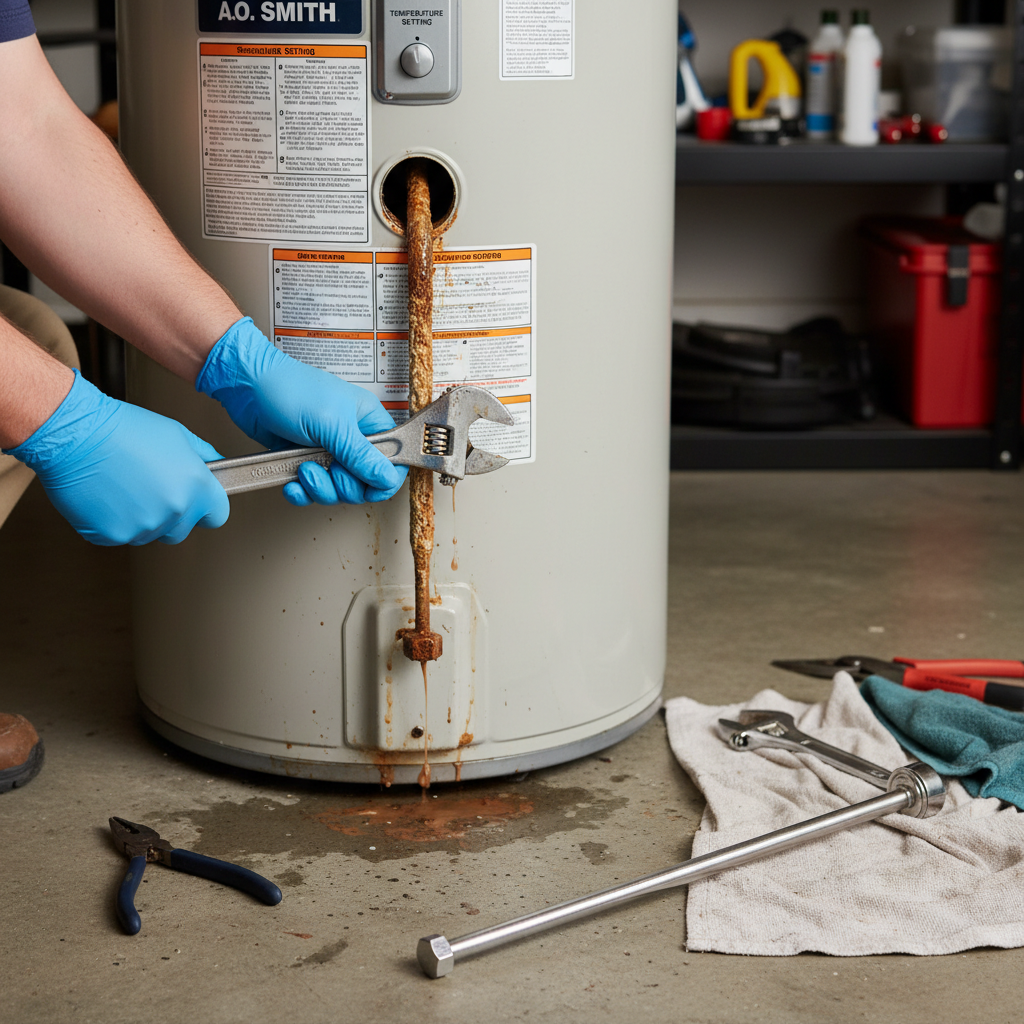
Replacing your water heater's anode rod involves several key steps that protect your investment and extend equipment life. You'll need to drain a portion of the tank, remove the old rod using the correct socket size, inspect for corrosion levels, and install the new rod with proper threading and sealant application.
-
Water heater rod replacement involves draining the tank completely before removing the old anode rod, which protects the unit from corrosion. The rod typically screws into the top of the tank and may require significant force to loosen if it hasn’t been serviced in years. You will need a 1-1/16 inch socket, a breaker bar, and a garden hose for the draining process.
-
Replace the anode rod every three to five years to prevent tank failure and extend your water heater’s lifespan by up to 10 years. Neglecting this simple maintenance task can lead to rust-through and a costly new heater installation. Most homeowners can complete the replacement in one to two hours with basic tools and proper preparation.
-
Magnesium rods work best for homes with soft water, while aluminum-zinc rods are better suited for hard water conditions. Powered anode rods eliminate the sulfur smell some households experience and never need replacement, though they cost more upfront. Choose your replacement rod based on your specific water chemistry and budget constraints.
-
Turn off the power supply and the cold water inlet valve before starting any replacement work. Gas units require shutting off the gas valve and waiting several hours for the water to cool. Working with hot water or live electrical connections creates serious safety risks that can result in burns or electrocution.
-
Flexible anode rods solve clearance problems in basements or tight spaces where you cannot lift a standard 44-inch rod straight up. These segmented rods bend during installation and function identically to traditional straight rods once in place. If your water heater is in a cramped location, a flexible rod makes replacement possible without major renovations.
The Water Heater Rod Replacement Process Explained
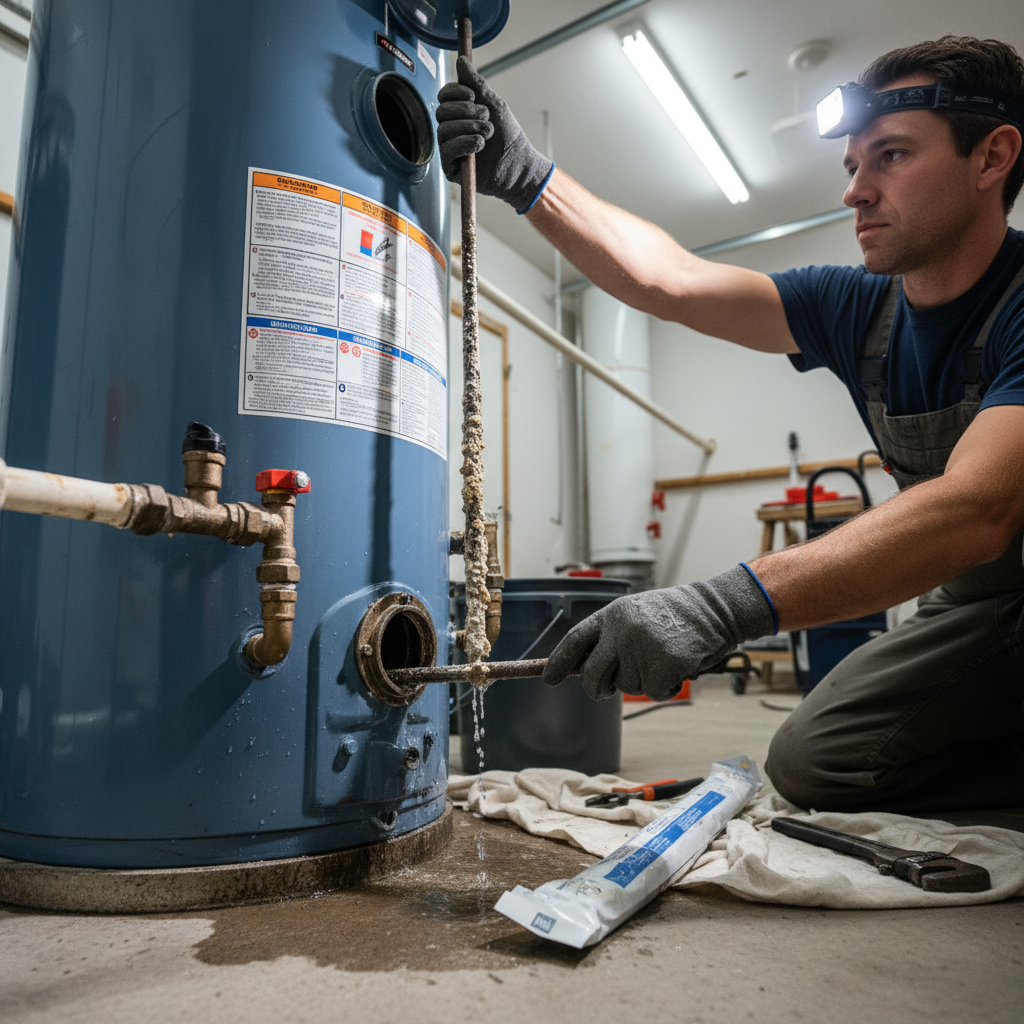
When you notice rust-colored water or a rotten egg smell coming from your hot water tap, it's likely time for water heater rod replacement. The anode rod inside your tank sacrifices itself to prevent corrosion, but it won't last forever. Most homeowners don't realize this critical component exists until problems arise. You should inspect the rod every three to five years, depending on your water quality. If you have hard water, the rod will deteriorate faster. Replacement isn't complicated, but you'll need a socket wrench and some patience. First, turn off the power and water supply. Let the tank cool down completely before you start working. Drain a few gallons from the top to prevent spillage when you remove the old rod. The hex head can be tough to loosen, especially if it hasn't been touched in years. Apply penetrating oil if needed. Once you've got the old rod out, compare it to a new one. If it's less than half an inch thick or heavily corroded, you made the right call replacing it.
Protect Your Investment With Timely Maintenance
Proactive water heater rod replacement transforms a simple maintenance task into serious financial protection. Regular anode rod maintenance keeps your tank corrosion-free while avoiding emergency replacements. Don't wait until rust appears or heating element repair becomes necessary. Schedule your inspection today and extend your equipment's lifespan well beyond manufacturer expectations.
Get Hot Water Today
Same-day water heater replacement by licensed, vetted plumbers.
Upfront pricing. No hidden fees. Guaranteed.
⚡ Available 24/7 — St. Louis Metro Area