
Water Heater Anode Rod Replacement: Complete Guide to Extending Tank Life
Water heater anode rod replacement is one of the most overlooked yet critical maintenance tasks for extending your tank's lifespan. This sacrificial component protects your tank from corrosion by attracting minerals and contaminants, but it gradually deteriorates over time. Without proper replacement, your tank can fail years earlier than expected, leading to costly water damage and premature system failure.
What Is Water Heater Anode Rod Replacement
“`json
{
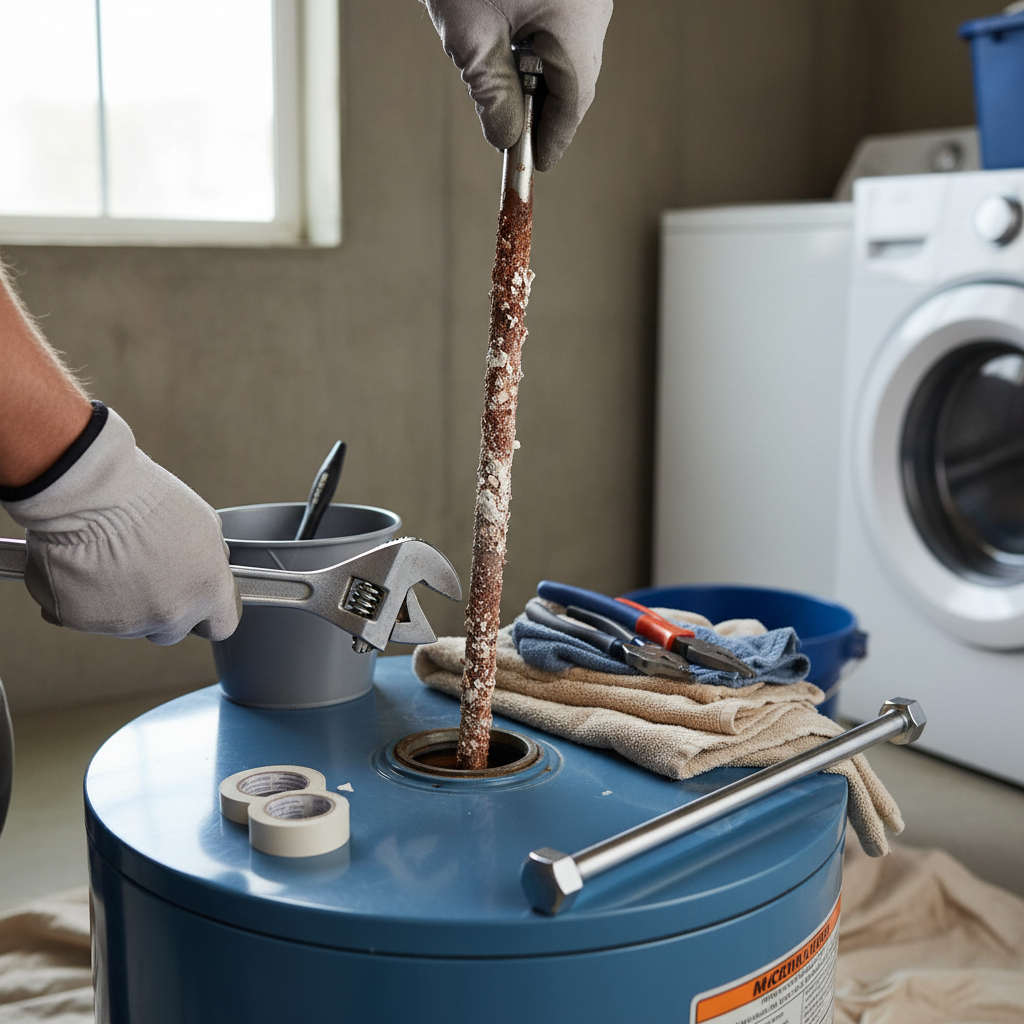
"text_content": "Your water heater's anode rod serves as a sacrificial component that protects the tank from corrosion. Over time, this rod deteriorates as it attracts corrosive elements in the water. Most manufacturers recommend checking it every 2-3 years and replacing it when more than 6 inches of the core wire is exposed. You'll need a 1-1/16 inch socket, a breaker bar, and possibly a helper since the rod can be difficult to remove. Before starting any water heater anode rod replacement, turn off
How to Replace Your Anode Rod
Replacing your water heater's anode rod isn't complicated, but it's crucial for extending your tank's lifespan. Most homeowners can handle this maintenance task with basic tools.
-
Check your anode rod annually after the first five years of operation to catch corrosion early. While most manufacturers recommend inspections every one to two years, a 15-minute DIY check can prevent the tank failure and costly replacement associated with neglected maintenance.
-
Replace the anode rod when more than six inches of the core steel wire is exposed or when the rod is less than half its original diameter. A heavily corroded rod can no longer protect your tank, leading to rust that can compromise the steel and cause leaks within months.
-
Use a 1-1/16 inch socket and breaker bar to loosen the hex head on top of the water heater, as anode rods often require significant force to break free after years of use. You only need to drain two to three gallons from the tank before removal, rather than the entire unit.
-
Consider upgrading to a flexible anode rod if your water heater is located in a tight space with limited overhead clearance. These segmented rods bend during installation, making replacement possible even when you cannot vertically pull a straight 44-inch rod from the tank.
-
Apply pipe thread sealant tape to the new anode rod threads before installation to prevent leaks and simplify future removal. Thread the rod clockwise by hand first, then tighten with a socket wrench until snug; avoid overtightening to prevent cracking the tank opening.
-
Budget approximately $20 to $40 for a replacement rod and basic tools if performing the task yourself. This is a minor investment compared to the $800 to $2,500 cost of a new water heater, and this simple maintenance can extend your tank’s life by five to ten years.
When Should You Replace Your Anode Rod
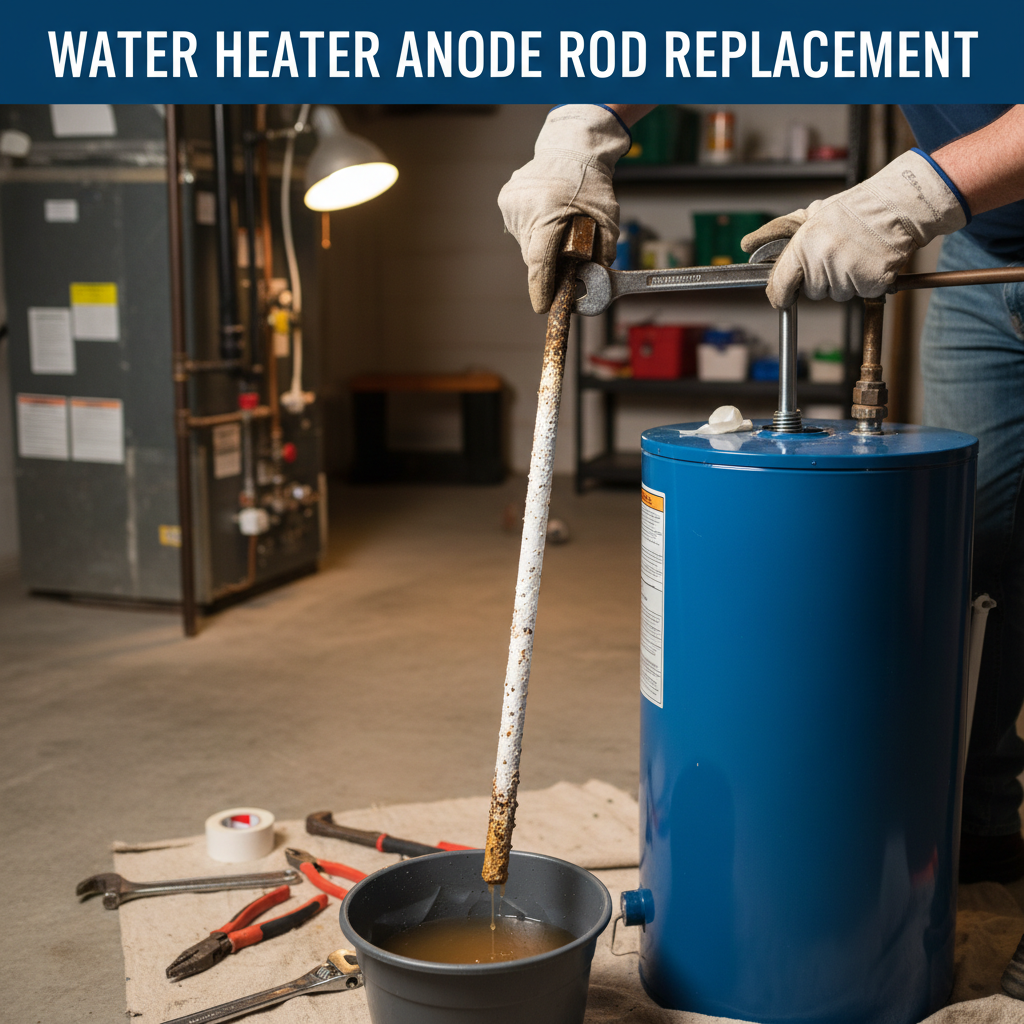
Your water heater's anode rod is a critical component that protects the tank from corrosion. This sacrificial metal rod attracts corrosive elements in the water, preventing them from attacking the steel tank. Most manufacturers recommend checking your anode rod every two to three years. When the rod has deteriorated to about 50% of its original thickness or shows heavy calcium buildup, it's time for replacement. You'll need a socket wrench, pipe tape, and possibly a helper if the rod is stuck.
Protect Your Investment With Regular Maintenance
Regular water heater anode rod replacement can extend your tank's lifespan by years. Most manufacturers recommend checking the rod every two to three years. If you notice rusty water or unusual smells, it's time to inspect the anode rod for wear and corrosion.
Get Hot Water Today
Same-day water heater replacement by licensed, vetted plumbers.
Upfront pricing. No hidden fees. Guaranteed.
⚡ Available 24/7 — St. Louis Metro Area