
Tankless Water Heater Installation Diagram: Complete Step-by-Step Guide
A tankless water heater installation diagram serves as your visual blueprint for understanding how these on-demand systems integrate into your home. These schematics show everything from electrical requirements and gas line connections to venting pathways and water flow routes. Whether you're planning a DIY project or coordinating with contractors, mastering these diagrams helps
Understanding Your Tankless Water Heater Installation Diagram
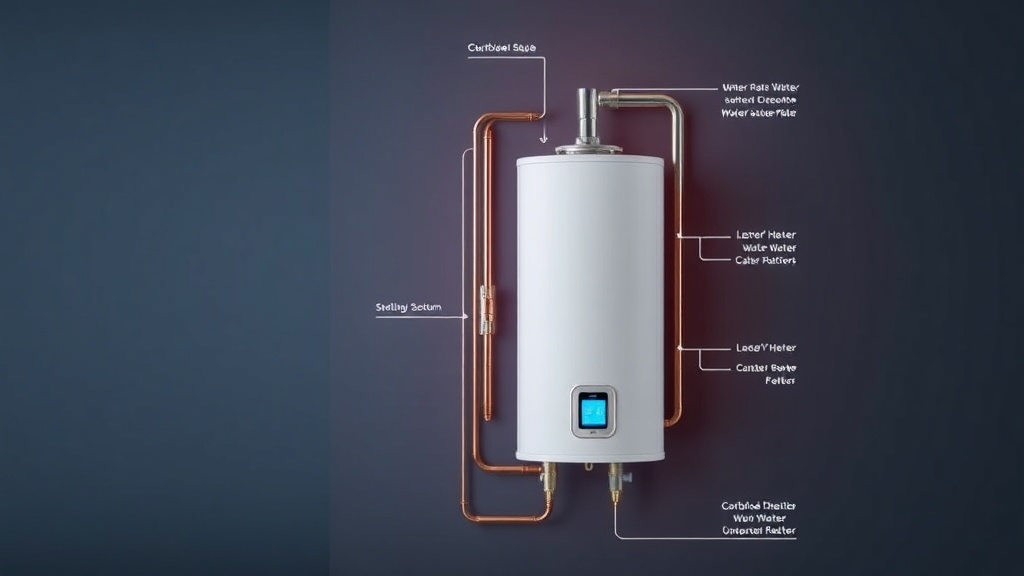
A tankless water heater installation diagram serves as your visual roadmap for connecting water lines, gas or electrical supply, venting systems, and safety components in the correct configuration. These technical schematics break down complex installations into manageable steps, showing precisely where shut-off valves, pressure relief devices, and temperature controls connect to your unit. Before reviewing any complete guide tankless water heater diagram, you'll need to understand your home's specific infrastructure requirements through an installation requirements guide that addresses electrical capacity, gas line sizing, and local code compliance. Electric models typically require simpler diagrams focusing on dedicated circuit breaker connections and wire gauge specifications, while natural gas setup diagrams must detail venting paths, combustion air intake routing, and gas line pressure testing points. Professional installers reference manufacturer-specific diagrams that account for variables like recirculation loops, multiple fixture demands, and freeze protection in colder climates. The total installation cost often reflects diagram complexity, as systems requiring extensive rerouting or infrastructure upgrades demand more labor and materials than straightforward replacements.
Essential Diagram Components Explained
A tankless water heater installation diagram maps out essential components like gas lines, venting pathways, water connections, and electrical requirements before you begin your project. Understanding these visual guides helps you identify proper clearances, code-compliant configurations, and the specific equipment you'll need for a successful installation.
-
Review the tankless water heater installation diagram before starting any work to identify all required connections, including cold water inlet, hot water outlet, gas supply line, electrical connections, and venting pathways. The diagram shows you exactly where each component connects, preventing costly mistakes during installation.
-
Verify your home meets the specific installation requirements shown in the diagram, such as minimum gas line diameter, electrical circuit capacity, and proper venting clearances. Most diagrams indicate required BTU ratings and whether your home needs gas line upgrades or electrical panel modifications.
-
Use the installation diagram to map out the shortest, most efficient venting route from your tankless unit to the exterior, following manufacturer specifications for pipe diameter and maximum run length. Proper venting prevents carbon monoxide buildup and ensures your unit operates at peak efficiency.
-
Cross-reference the diagram with local building codes before you start cutting into walls or running new lines, since some jurisdictions require specific valve types, expansion tanks, or sediment filters not always shown in standard manufacturer diagrams. This saves you from failing inspection and redoing work.
-
Follow the color-coded or labeled connections in your tankless water heater installation diagram precisely when connecting water lines, distinguishing between hot and cold supply lines to prevent reversed flow that damages the unit. Most diagrams also show where to install shutoff valves for future maintenance access.
Installation Requirements and Configuration Options
A tankless water heater installation diagram serves as your visual blueprint for a successful setup, showing exactly where components connect and how water flows through the system. These diagrams illustrate critical elements like the cold water inlet, hot water outlet, gas or electrical connections, venting paths, and safety valves that prevent pressure buildup. Most manufacturers provide specific diagrams with their units, and following them precisely prevents costly mistakes like improper venting or insufficient gas line sizing. The complete guide tankless water approach walks you through each connection point, making what seems complex much more manageable for both professional installers and ambitious DIYers. Gas models typically show venting requirements and combustion air paths, while electric installation guide resources focus on circuit breaker specifications and wire gauge requirements. Understanding these visual representations before you start helps you identify whether your home needs infrastructure upgrades, such as a dedicated 240-volt circuit for electric unit pricing considerations or upsized gas lines for sufficient BTU delivery. Reading a diagram also reveals whether you'll need expansion tanks, pressure-reducing valves, or water softener integration points before water enters the unit, which affects both installation complexity and hot water setup timelines.
Getting Your Installation Right the First Time
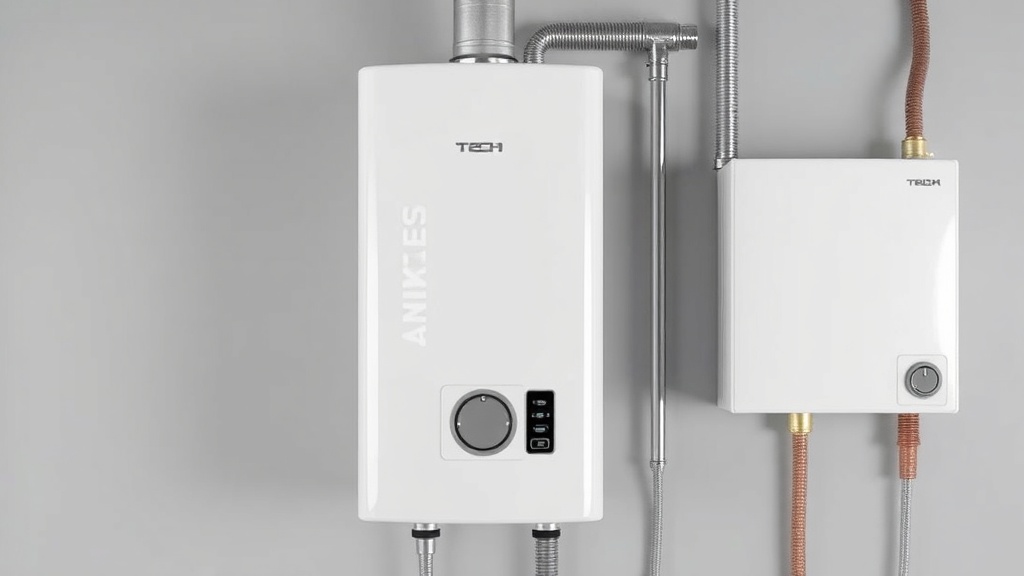
Understanding tankless water heater installation diagrams helps you make informed decisions about your home's hot water system. These visual guides show connections between gas lines, water supply, venting systems, and electrical components, ensuring code compliance. Whether you're planning a DIY project or evaluating contractor proposals, knowing how to read these diagrams gives you confidence.
Get Hot Water Today
Same-day water heater replacement by licensed, vetted plumbers.
Upfront pricing. No hidden fees. Guaranteed.
⚡ Available 24/7 — St. Louis Metro Area