
Solve Rinnai Tankless Heater’s No Hot Water Issue
Key Takeaways
A Rinnai tankless water heater not providing hot water is frustrating. This unexpected failure can disrupt daily routines. Instead of random guesswork, use a systematic approach to identify issues like gas supply disruptions or problematic heat exchangers. This guide will walk you through the seven most frequent reasons why a Rinnai tankless water heater might suddenly stop producing hot water, offering a structured way to diagnose and potentially fix the problem efficiently. Rinnai tankless water heater No hot wate install rinnai heater
Why Your Rinnai Tankless Water Heater No Hot Water Issue Occurs
When your Rinnai tankless water heater produces no hot water, the root cause often lies in power or gas supply issues. Start by checking the position of your gas valve; it needs to be fully open to ensure proper gas flow. Additionally, verify the gas supply pressure to ensure it meets your heater’s requirements. Incorrect gas pressure can prevent the unit from heating water effectively.
Gas Supply Interruptions and Valve Problems
Ensuring your Rinnai tankless water heater is correctly powered is crucial for its functionality. Start by inspecting all electrical connections and ensuring they are secure. If your unit has no power, check the circuit breakers to see if they have tripped. Resetting a tripped breaker can often restore power, allowing the heater to function correctly. Remember, safe handling of electrical components is essential to avoid any risk.
Electrical Power and Ignition Failures
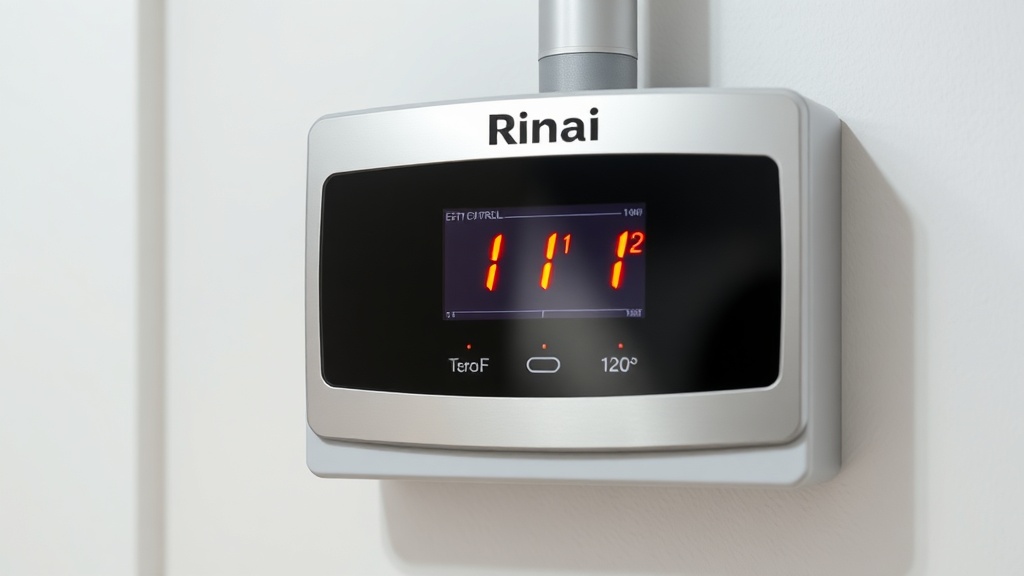
Ignition failures can be identified through error codes displayed on your unit's digital panel. If your Rinnai tankless water heater fails to ignite, consult the error codes provided in your user manual. These codes offer guidance on specific issues that may prevent the system from heating water. Always exercise caution; if you're unsure about handling gas components, seeking a professional’s help is recommended.
Water Flow and Sensor Problems in Rinnai Units
Rinnai units need a minimum flow of about 0.4 to 0.6 GPM to activate. If multiple fixtures are used, the flow can drop below this, turning the unit off. Flow-related issues in tankless systems, such as a Rinnai tankless water heater no hot water problem, often arise due to minimum flow requirements.
Minimum Flow Rate Not Met
A malfunctioning flow sensor can prevent a Rinnai tankless water heater from providing hot water. These sensors detect water flow to trigger heating, so if they fail, the unit won't activate. Debris or mineral build-up often clogs sensors, leading to inaccurate readings. Inspecting and cleaning these components regularly ensures they operate correctly, maintaining the heater's efficiency. Simple maintenance, like cleaning with a soft brush and ensuring clear water paths, can resolve many sensor-related issues quickly.
Flow Sensor Malfunctions and Blockages
Testing flow sensors safely involves turning off the power and water supply before disassembly. Carefully remove the sensor from the unit, checking for visible blockages. Clean any accumulated debris gently, avoiding damage to delicate parts. Once cleaned, reassemble and test the system by running water through different fixtures to ensure proper activation. Regular maintenance like this can prevent common problems with a Rinnai tankless water heater no hot water situation.
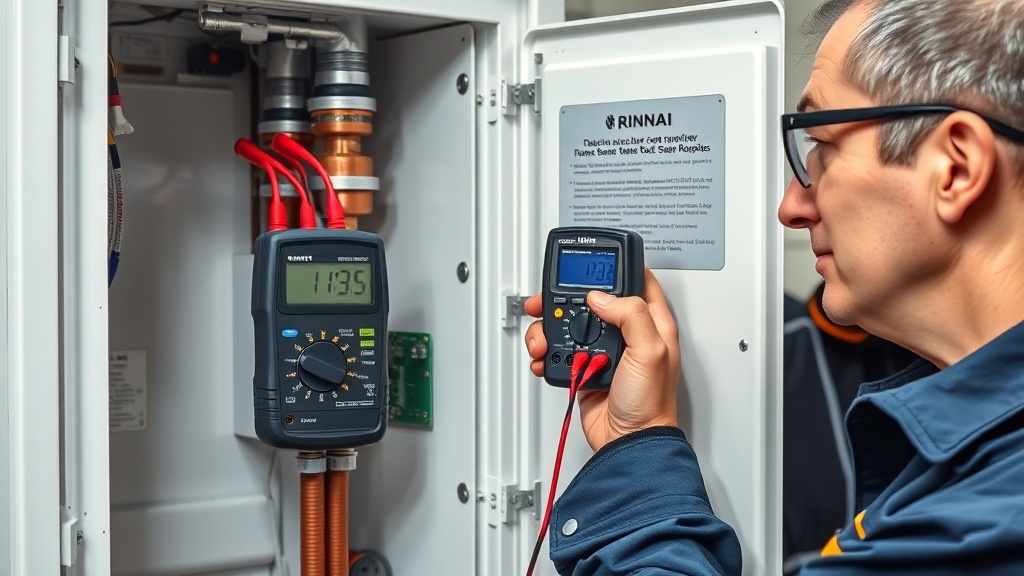
When dealing with a Rinnai tankless water heater no hot water issue, understanding typical flow and sensor problems is crucial. This section lists common flow-related troubleshooting steps.
Internal Component Failures Affecting Hot Water Production
To prevent hot water production failures in your Rinnai tankless water heater, regular monthly maintenance checks are essential. A carefully planned routine helps identify potential issues such as sediment build-up, which could impede efficient heating. You should also inspect the unit's filters and clean them to ensure optimal performance. Keeping an eye on these components reduces the risk of unexpected failures, ensuring a consistent hot water supply. By maintaining this vigil, you not only extend the lifespan of your system but also optimize its efficiency.
Heat Exchanger Scale and Corrosion
Recognize the early warning signs of potential failures in your rinnai tankless water to avoid no hot water issues. If your water starts to heat inconsistently or you notice strange noises coming from the heater, these could be red flags indicating trouble. Addressing such issues promptly can save you from major problems later. Keep track of any error codes displayed on the unit as they provide crucial insight into what might be going wrong.
Thermostat and Temperature Control Issues
Creating a troubleshooting checklist specifically for your Rinnai tankless water heater is a proactive way to tackle no hot water issues swiftly. This list should include checking the power supply, ensuring the gas line is open, and inspecting the water temperature settings. Additionally, assessing if the cold water inlet is functioning properly can quickly identify the source of the problem. Having such a checklist allows you to efficiently diagnose and address issues without hesitation.
Why does my Rinnai tankless water heater work intermittently but not consistently?
A Rinnai tankless water heater that works intermittently might be experiencing temperature fluctuations or issues with the water flow sensor. Uneven water pressure or blockages in the intake filter can cause inconsistent heating. Make sure to check for proper venting and clean the intake filter regularly to resolve this problem. If the issue persists, you might need to seek professional assistance.
What do the error codes on my Rinnai display mean when there's no hot water?
Error codes on your Rinnai display provide specific information about the issues affecting hot water production. For example, a code 10 indicates ventilation issues, while code 11 suggests ignition failure. Understanding these codes can help you diagnose and address the problem. Refer to your user manual for a detailed list of codes, or consider consulting a professional for clarification.
How much does it cost to fix a Rinnai tankless water heater that's not producing hot water?
Fixing a Rinnai tankless water heater can vary in cost depending on the issue. Simple problems like cleaning the intake filter or fixing air supply issues might be inexpensive, while more complex repairs involving parts replacement could be costlier. Generally, repair costs can vary and it's best to get a quote from a certified technician for an accurate estimate.
Can I fix my Rinnai's no hot water problem myself or do I need a professional?
You can attempt to fix simple issues like cleaning filters or ensuring clear ventilation yourself. However, for complex issues like persistent error codes or internal component faults, it's advisable to seek professional help. Incorrect DIY repairs can lead to further damage or void warranties. Detailed installation guidance can be reviewed at install rinnai heater.
Should I repair or replace my Rinnai tankless water heater when it stops heating?
Deciding to repair or replace your Rinnai tankless water heater depends on factors like its age, repair costs, and the nature of the issue. If repairs are frequent and costly, or the unit is over ten years old, replacement might be more cost-effective. A professional evaluation can help determine the best course of action.
Restoring Hot Water to Your Rinnai System
When facing a Rinnai tankless water heater no hot water issue, understanding complex internal failures can be essential for restoring performance. Mineral buildup can significantly damage heat exchangers, leading to decreased efficiency. Additionally, diagnosing problems with thermostat calibration requires a detailed inspection, as does identifying venting issues that could trigger system shutoffs for safety. Knowing when to replace components versus opting for a new unit hinges on cost-effectiveness and long-term benefits. For further insight into addressing these and other related issues, consider the comprehensive Rinnai tankless water heater installation: Complete Professional Guide. Meanwhile, another helpful resource for troubleshooting is the Rinnai tankless water heater No hot water Troubleshooting – TanklessHelp, which provides additional information and expert guidance.
Get Hot Water Today
Same-day water heater replacement by licensed, vetted plumbers.
Upfront pricing. No hidden fees. Guaranteed.
⚡ Available 24/7 — St. Louis Metro Area