
Rinnai Tankless Water Heater Installation: Complete Professional Guide
Rinnai tankless water heater installation transforms your home's hot water delivery with on-demand heating that eliminates standby energy losses. These compact systems require precise gas line sizing, electrical configurations, and proper venting to ensure safe, efficient operation. Understanding the installation requirements helps you prepare your home for this upgrade and avoid costly mistakes.
What to Know Before Installing Your Rinnai System
Rinnai tankless water heater installation delivers endless hot water in minimal space. Most homeowners invest $2,800-$5,200 for complete installation in 2026.
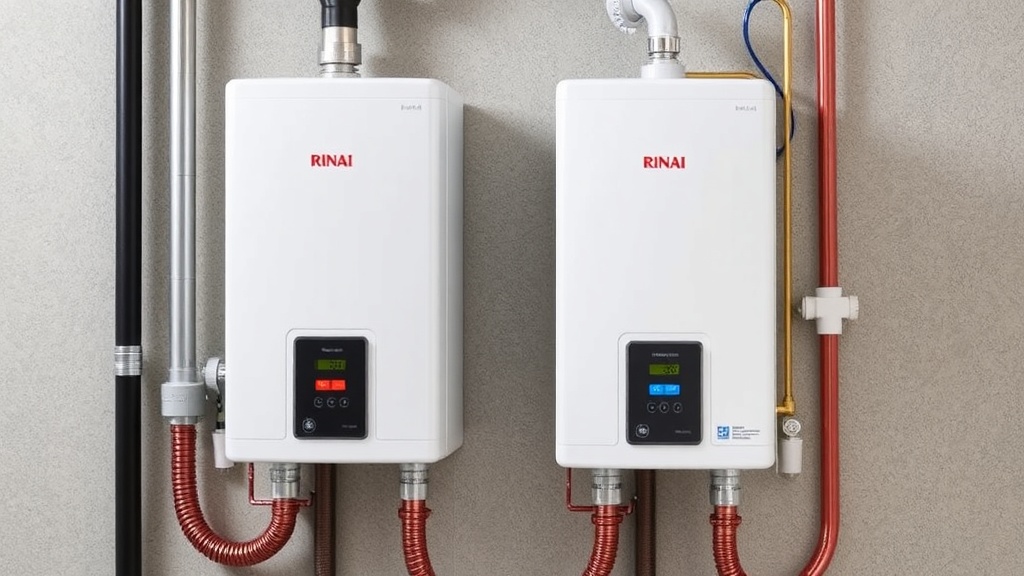
Essential Pre-Installation Requirements
Rinnai tankless water heater installation requires careful planning and attention to specific technical requirements that differ from traditional tank systems. The following checklist covers essential preparation steps, ventilation needs, and code compliance factors you'll need to address for a successful installation in 2026.
-
Rinnai tankless water heater installation requires specific electrical capacity upgrades in most homes. Your system needs a dedicated 120V circuit for electronic ignition and control boards, plus adequate amperage for any accessories like recirculation pumps. Professional electricians confirm your panel can handle the load before starting work, preventing mid-project complications that delay your hot water access.
-
Gas line sizing must match your Rinnai model's BTU requirements, which range from 140,000 to 199,000 BTUs for residential units. Most existing water heater gas lines are too small, requiring upgrades from half-inch to three-quarter-inch or larger diameter pipes. Licensed plumbers calculate pressure drop across the entire run, ensuring consistent fuel delivery that prevents performance issues and safety hazards.
-
Proper venting installation differs dramatically from traditional tank systems because Rinnai units use sealed combustion with PVC or stainless steel materials. The exhaust and intake pipes must terminate according to manufacturer specifications, typically requiring two-foot clearances from windows and property lines. Following the installation requirements prevents carbon monoxide risks and maintains your warranty coverage through compliant setup.
-
Professional installers handle building permits and local code compliance that vary significantly by jurisdiction. Rinnai tankless water heater installation often requires inspections for gas work, electrical modifications, and venting configurations. Permit costs range from $50 to $500 depending on your location, but skipping this step can void insurance coverage and create expensive problems during home sales.
Professional Rinnai Tankless Water Heater Installation Process
Installing a Rinnai tankless water heater requires professional expertise to ensure optimal performance and safety. These systems demand specific infrastructure modifications, including adequate gas line sizing, proper venting configurations, and electrical requirements that differ from traditional tank units. Most Rinnai models require 3/4-inch or larger gas lines and dedicated electrical circuits for digital controls.
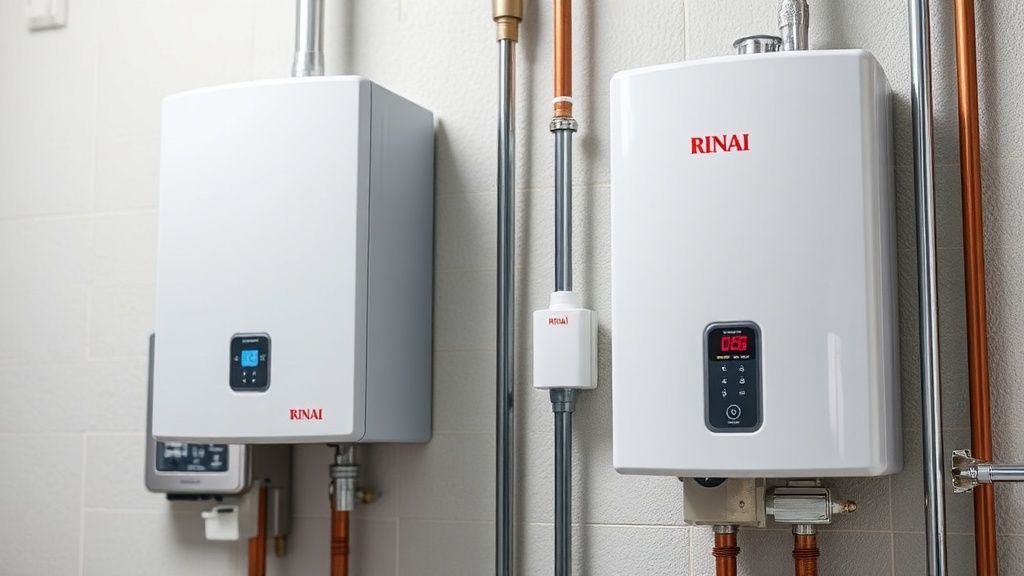
Invest in Expert Installation for Long-Term Performance
Installing a Rinnai tankless water heater delivers endless hot water, energy savings, and long-term reliability. Proper installation covering venting requirements, electrical specs, permits, and warranty registration ensures decades of efficient performance. Professional installation is the smart choice for most home
Get Hot Water Today
Same-day water heater replacement by licensed, vetted plumbers.
Upfront pricing. No hidden fees. Guaranteed.
⚡ Available 24/7 — St. Louis Metro Area