
No Hot Water Pressure? Causes, Quick Fixes, and Solutions
Key Takeaways
-
Low pressure affecting all hot water outlets typically indicates water heater or supply line problems, while single-fixture issues point to sediment-clogged aerators.
-
Annual tank flushing prevents sediment accumulation that blocks pipes and reduces available water space, restoring proper flow throughout your system.
-
A partially closed shut-off valve on your water heater line drastically reduces pressure and is often overlooked after maintenance work.
-
Corroded galvanized pipes and mineral deposits narrow water passages over time, requiring professional replacement to restore adequate pressure.
-
Faulty pressure-reducing valves can restrict flow to your entire plumbing system, affecting both hot and cold water delivery.
When you experience hot water no pressure in your home, it can disrupt everything from morning showers to dishwashing. This frustrating problem often stems from sediment buildup, faulty pressure valves, or pipe corrosion. Understanding the root cause helps you restore proper water flow quickly and avoid costly repairs.
Common Causes of Hot Water No Pressure
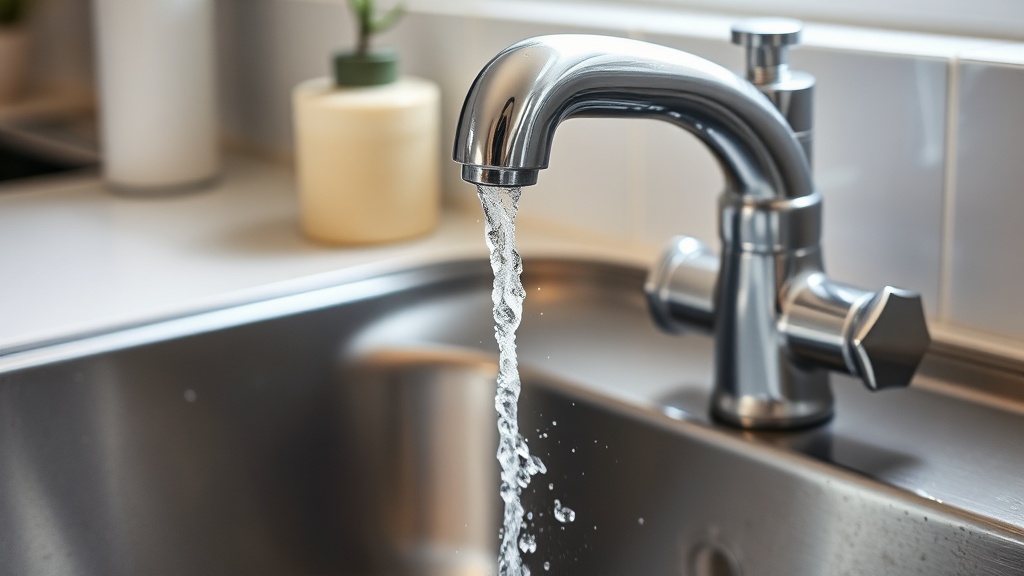
When you turn on your faucet expecting a strong stream and instead get a frustrating trickle, you're dealing with hot water no pressure. This problem can stem from sediment buildup to complex issues with your water heater or plumbing system. Unlike complete loss of hot water, which often points to electric heater issues, reduced pressure can indicate problems with pipes, valves, or fixtures throughout your system. Experts identify 9 causes that commonly lead to this frustrating situation. The good news is that many pressure problems can be diagnosed with a systematic approach, starting with troubleshooting hot water delivery throughout your home.
What Are the Warning Signs?
When you turn on the tap and get a trickle instead of a steady stream, diagnosing hot water no pressure issues requires checking several key components. The following practical tips will help you identify common culprits and determine whether the fix is a quick DIY adjustment or requires professional intervention.
-
Check if hot water no pressure affects only one fixture or your entire home. If a single faucet has low pressure, the aerator likely has sediment buildup. If all hot water outlets show reduced flow, the issue stems from your water heater or supply lines.
-
Inspect your water heater's shut-off valve to ensure it's fully open. A partially closed valve restricts flow and creates pressure problems throughout your hot water system. Turn the valve counterclockwise until it stops to maximize water flow.
-
Sediment accumulation in your tank reduces available space for water and blocks pipes, causing hot water no pressure issues. Flush your tank annually by connecting a garden hose to the drain valve and emptying several gallons until water runs clear.
-
Test your pressure reducing valve (PRV) if you have one installed on your main water line. A faulty PRV can limit pressure to your entire plumbing system. You can verify this by checking cold water pressure, which helps with troubleshooting hot water problems.
-
Examine hot water pipes for corrosion or mineral deposits that narrow the passage. Galvanized pipes especially develop buildup over time, restricting flow. You'll need a plumber to replace corroded sections and restore proper pressure.
Troubleshooting Steps for Low Water Flow
Hot water no pressure stems from sediment buildup in tanks, corroded pipes narrowing pathways, or malfunctioning pressure-reducing valves restricting flow. A partially closed shut-off valve on your electric hot water line can drastically reduce pressure, and homeowners often overlook this simple check after maintenance work. If you're facing persistent issues, troubleshooting hot water problems systematically can help you pinpoint whether the issue originates at the heater itself or somewhere in your distribution system. When the no hot water concern is accompanied by weak flow, it's worth checking whether your expansion tank has become waterlogged and is affecting overall system performance. Professional diagnosis becomes essential when electric heater troubleshooting steps don't resolve the pressure loss, as internal tank problems often require specialized equipment to identify and repair.
Restore Your Water Pressure Today
Solving hot water no pressure issues doesn't have to mean expensive repairs. Start with simple fixes like cleaning aerators and checking shutoff valves. For broader hot water no pressure challenges or when you face only cold water coming from fixtures, professional diagnosis ensures lasting solutions and restored comfort throughout your home.
Get Hot Water Today
Same-day water heater replacement by licensed, vetted plumbers.
Upfront pricing. No hidden fees. Guaranteed.
⚡ Available 24/7 — St. Louis Metro Area