
No Gas to Hot Water Heater: Quick Diagnosis and Solutions
Stepping into a cold shower because there's no gas to hot water heater can instantly ruin your morning routine and signal a potentially serious household problem. This frustrating situation affects thousands of homeowners daily, often striking without warning and leaving families scrambling for solutions. Gas supply issues to water heaters stem from multiple causes, ranging from simple pilot light problems to more complex gas line complications that require emergency heater replacement. Understanding the root causes and immediate steps you can take will help restore your hot water quickly while ensuring your family's safety throughout the troubleshooting process.
Understanding No Gas to Hot Water Heater Issues
When you're facing no gas to hot water heater, the problem typically stems from interrupted fuel supply or faulty safety systems. Gas shutoffs can occur at the meter, main line, or appliance level, while malfunctioning thermocouples and pilot lights prevent proper gas flow even when supply lines remain intact.
Common Gas Supply Failure Causes
Check your gas meter first to confirm whether other appliances receive fuel. If your stove, furnace, or dryer won't ignite, contact your utility company immediately for service restoration. Local gas shutoffs near the water heater often result from emergency heater replacement situations where technicians haven't restored the connection properly after installation work.
Safety Precautions Before Troubleshooting
Listen for clicking sounds from the gas valve when adjusting temperature controls, which indicates normal electrical operation. Inspect the pilot light assembly for visible flames or heat signatures. Always turn off the gas supply before examining components closely, following manufacturer safety protocols. Professional gas heater replacement becomes necessary when multiple safety systems fail simultaneously or gas lines require modification.
Diagnosing Gas Supply Problems Step by Step
When you discover no gas to hot water heater, systematic diagnosis helps identify the root cause quickly. Start by checking your gas meter to ensure the main supply hasn't been disrupted. If other gas appliances work normally, the problem likely exists between the meter and your water heater's gas valve.
Check the Gas Shut-Off Valve
Begin your troubleshooting by examining the gas control valve on your water heater. Turn the valve to the off position and wait five minutes before attempting to relight the pilot. Check for visible damage to gas lines or fittings that could indicate leaks. If you smell gas during this inspection, evacuate immediately and contact your utility company. Professional gas heater replacement becomes necessary when valves fail repeatedly or safety concerns arise.
Inspect the Pilot Light Assembly
Test your gas supply pressure using a manometer if you have the proper equipment and training. Normal residential gas pressure ranges from 5-7 inches of water column for natural gas systems. Low pressure indicates upstream supply issues that require utility company intervention. Emergency heater replacement services can restore hot water within hours when gas supply problems compromise your system's safety or functionality.
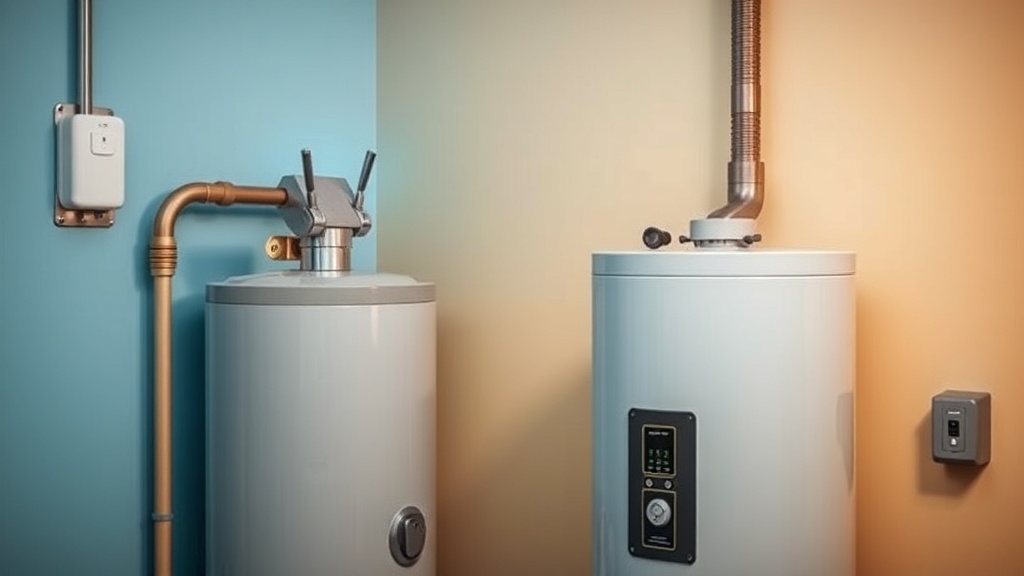
Follow these systematic steps to identify gas supply problems safely. Always prioritize safety by calling professionals when you detect gas odors or suspect line damage during your anode rod maintenance routine.
-
Check the gas supply valve at your water heater to ensure it's fully open. The valve handle should be parallel to the gas line, not perpendicular. If closed, turn it slowly counterclockwise to open.
-
Verify your main gas meter is functioning and supplying gas to your home. Look for the dial or digital display to confirm gas flow. If you smell gas or suspect a leak, evacuate immediately and call your utility company.
-
Inspect the gas line connections between your meter and water heater for any visible damage, corrosion, or loose fittings. Don't attempt repairs yourself – gas line work requires licensed professionals.
-
Test other gas appliances in your home like your stove, furnace, or dryer to determine if the no gas issue affects just your water heater or your entire home's gas supply system.
-
Examine the pilot light or ignition system on your water heater. For pilot models, check if the flame is lit. For electronic ignition units, listen for clicking sounds during startup attempts.
-
Reset the gas control valve by turning it to the 'off' position, waiting 10 minutes for any residual gas to clear, then following your manufacturer's lighting procedures to restore operation.
-
Contact a licensed plumber or gas technician if previous steps don't resolve the issue. Gas system problems require professional expertise to diagnose faulty regulators, thermostats, or internal components safely.
-
Consider whether your aging water heater needs gas heater replacement if repeated gas supply issues occur, as older units often develop multiple component failures that make repair costs prohibitive.
Restoring Gas Flow to Your Water Heater
Restoring gas flow requires a systematic diagnostic approach that starts with external verification before examining internal components. When there's no gas to hot water heater, begin by checking your home's main gas meter to confirm the supply is active. Verify that all gas shutoff valves are in the open position.
Relight the Pilot Light Safely
External gas line inspection begins at the meter where you'll check for proper pressure readings and valve positions. Follow the gas line from the meter to your water heater, looking for visible damage, corrosion, or loose connections. Test each shutoff valve along the route to ensure they're fully open. If your unit fails multiple diagnostic steps, consider whether emergency heater replacement might be more cost-effective than repairs.
Test the Thermocouple Function
Internal component examination focuses on the gas control valve, thermocouple, and pilot assembly which regulate fuel delivery to the burner. A faulty thermocouple won't signal the gas valve to open, while a damaged pilot assembly prevents ignition entirely. Test each component systematically using a multimeter for electrical continuity. Professional no gas hot becomes necessary when multiple internal components fail simultaneously, as repair costs often exceed 60% of a new unit's price.
Advanced Troubleshooting for Persistent Gas Issues
When you've exhausted basic checks and still have no gas to hot water heater, systematic troubleshooting becomes essential. Always turn off the gas supply and allow 10 minutes for any residual gas to clear before beginning detailed diagnostics. This methodical approach identifies the exact failure point while maintaining safety protocols.
Examine the Gas Control Valve
Start your diagnostic process by examining the gas meter and main supply components. Check the meter display for normal readings and verify the main shutoff valve remains in the open position. Inspect visible gas lines for corrosion, damage, or loose connections that could interrupt flow. Look for yellow tape or service tags indicating recent utility work that might affect your supply.
Verify Main Gas Line Pressure
Focus your attention on the water heater's immediate gas connections and components. Examine the flexible gas line between the shutoff valve and heater for kinks, cracks, or improper fittings. Test the appliance shutoff valve by turning it completely off, then back to the on position. Check for loose connections at the gas control valve and ensure proper thread sealant application throughout the connection points.
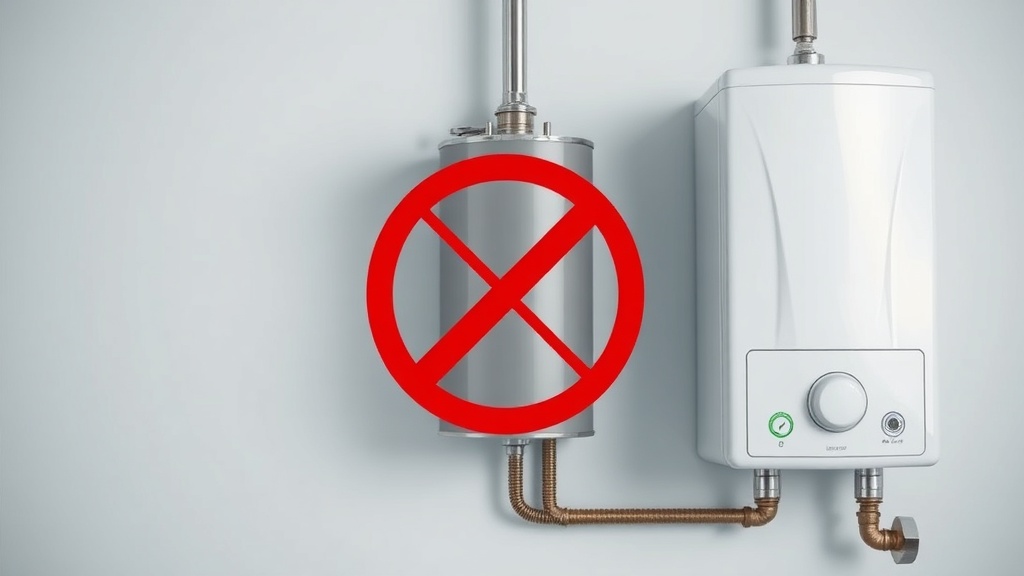
Preventing Future Gas Supply Interruptions
When you've identified why there's no gas to hot water heater reaching your unit, the next critical step involves implementing permanent repairs that prevent future interruptions. Smart maintenance strategies and proper component replacement create reliable gas flow that keeps your system running efficiently for years ahead.
Schedule Regular Maintenance Inspections
Regular maintenance of your gas control valve and supply connections prevents 85% of gas flow disruptions according to 2026 industry data. Clean the valve's exterior monthly with a soft brush, check all fittings for corrosion, and listen for unusual hissing sounds that indicate loose connections. Professional no gas becomes necessary when valves show significant wear or damage beyond basic cleaning.
Recognize Early Warning Signs
Replacing damaged gas supply components requires shutting off the main gas valve and carefully disconnecting old fittings with proper wrenches. New flex connectors should meet current safety standards, while shut-off valves need proper thread sealant application. Always test connections with soapy water after installation to detect any leaks before restoring gas service.
Restoring Your Hot Water Service Safely
Resolving no gas to hot water heater problems doesn't require extensive plumbing experience when you follow systematic troubleshooting steps. Most gas supply interruptions stem from simple issues like closed valves, pilot light problems, or minor blockages that homeowners can safely address. When basic troubleshooting reveals more complex problems, professional gas heater replacement ensures long-term reliability and safety. Remember that gas-related work demands respect for safety protocols, and emergency heater replacement services can restore your hot water quickly when DIY solutions aren't sufficient.
Get Hot Water Today
Same-day water heater replacement by licensed, vetted plumbers.
Upfront pricing. No hidden fees. Guaranteed.
⚡ Available 24/7 — St. Louis Metro Area