
Hot Water Heater No Pressure: Causes & Quick Fixes
Key Takeaways
-
Water heaters don't generate pressure themselves—they depend on your home's main water supply, so low hot water pressure usually indicates restrictions between the supply line and your fixtures.
-
Sediment buildup is the leading cause of reduced flow, especially in hard water areas, where mineral deposits clog the tank, dip tube, and heating elements.
-
Start troubleshooting by checking if shut-off valves are fully open and flushing the tank to clear sediment—these simple fixes resolve many pressure issues without professional help.
-
If cold water flows normally but hot water doesn't, the problem lies in your hot water system components like corroded pipes, a failing pressure reducing valve, or a stuck T&P valve.
-
Ignoring weak hot water flow can lead to complete system failure, so address pressure issues promptly to avoid costly emergency repairs.
Stepping into the shower expecting a strong, hot stream only to get a disappointing trickle is frustrating. When your hot water heater no pressure issue strikes, daily routines grind to a halt. This problem typically stems from sediment buildup, faulty pressure-reducing valves, or corroded pipes restricting flow. Understanding what's causing weak hot water flow helps you diagnose the issue quickly and restore comfortable water pressure throughout your home.
Why Your Water Heater Loses Pressure
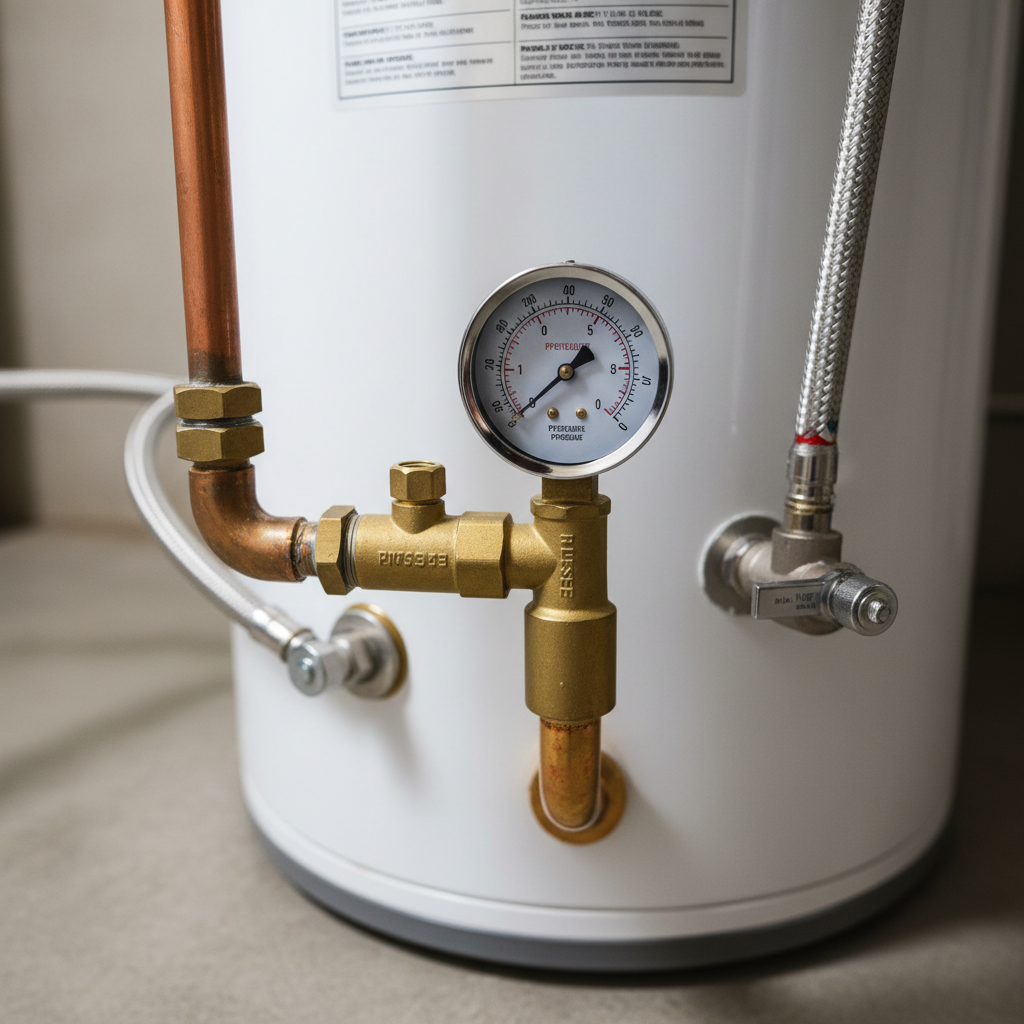
When you're dealing with a hot water heater no pressure situation, you're facing one of several interconnected system failures rather than a single isolated problem. Your water heater doesn't create pressure on its own. It relies on your home's main water supply to push heated water through the pipes to your faucets and fixtures. If pressure drops only when you turn on hot taps while cold water flows normally, the problem originates somewhere between the main supply line and your hot water outlets. Sediment buildup ranks as the most frequent culprit, particularly in areas with hard water. Mineral deposits accumulate inside the tank, clog the dip tube, and restrict flow through the heat exchanger or heating elements. This restriction creates a bottleneck that reduces pressure even when the incoming supply pressure remains adequate. Understanding these causes helps you target the right solution instead of wasting time and money on unnecessary repairs.
What Causes Low Water Pressure?
Several specific components and conditions cause pressure loss in water heating systems. The most common issues include:
-
Check your shut-off valves to ensure they're fully open. A partially closed valve on your water heater or main water line restricts flow and creates the hot water heater no pressure problem. Turn each valve counterclockwise until it stops to verify it's in the fully open position. This simple fix resolves many pressure issues without requiring tools or professional help.
-
Inspect the pressure reducing valve (PRV) if your home has one installed on the main water line. A failing PRV can cause low pressure specifically on the hot water side when sediment clogs the valve or internal components wear out. You'll typically find this brass valve near where the main line enters your home, and it may need adjustment or replacement to restore proper flow.
-
Flush sediment from your water heater tank to eliminate buildup that restricts water flow. Minerals and debris accumulate at the tank bottom over time, reducing the effective capacity and creating pressure issues. Attach a garden hose to the drain valve, run it to a floor drain or outside, and drain several gallons until the water runs clear rather than murky.
-
Examine your hot water pipes for partial blockages or corrosion that reduce diameter and restrict flow. Older galvanized pipes are particularly prone to internal rust buildup that narrows the passage. If cold water pressure is fine but you're experiencing no hot water pressure throughout the house, deteriorating hot water pipes are likely the culprit rather than the heater itself.
-
Test the temperature and pressure relief (T&P) valve to confirm it's not stuck partially open, which would divert water and reduce pressure at your fixtures. Located on the side or top of the tank, this safety valve should be completely closed during normal operation. If water drips from the discharge pipe when the valve isn't being tested, replacement is necessary.
Troubleshooting Steps to Restore Water Flow
When your hot water heater has no pressure on the hot side only, check the cold water inlet valve, it should be fully open. The 3 common causes typically include a partially closed shut-off valve on the heater's inlet, sediment buildup restricting flow through the tank, or a failing dip tube that's no longer directing cold water to the bottom of the tank for proper heating. If you're experiencing no hot water alongside pressure problems, the issue might stem from sediment clogging the outlet pipe or heat-damaged internal components. For gas heater problems specifically, a malfunctioning thermostat can sometimes create pressure symptoms when the water isn't heating efficiently. Understanding whether your gas supply issues are contributing to heating inefficiency can also help you determine if pressure loss is a symptom of a larger heating failure rather than a pure plumbing restriction.
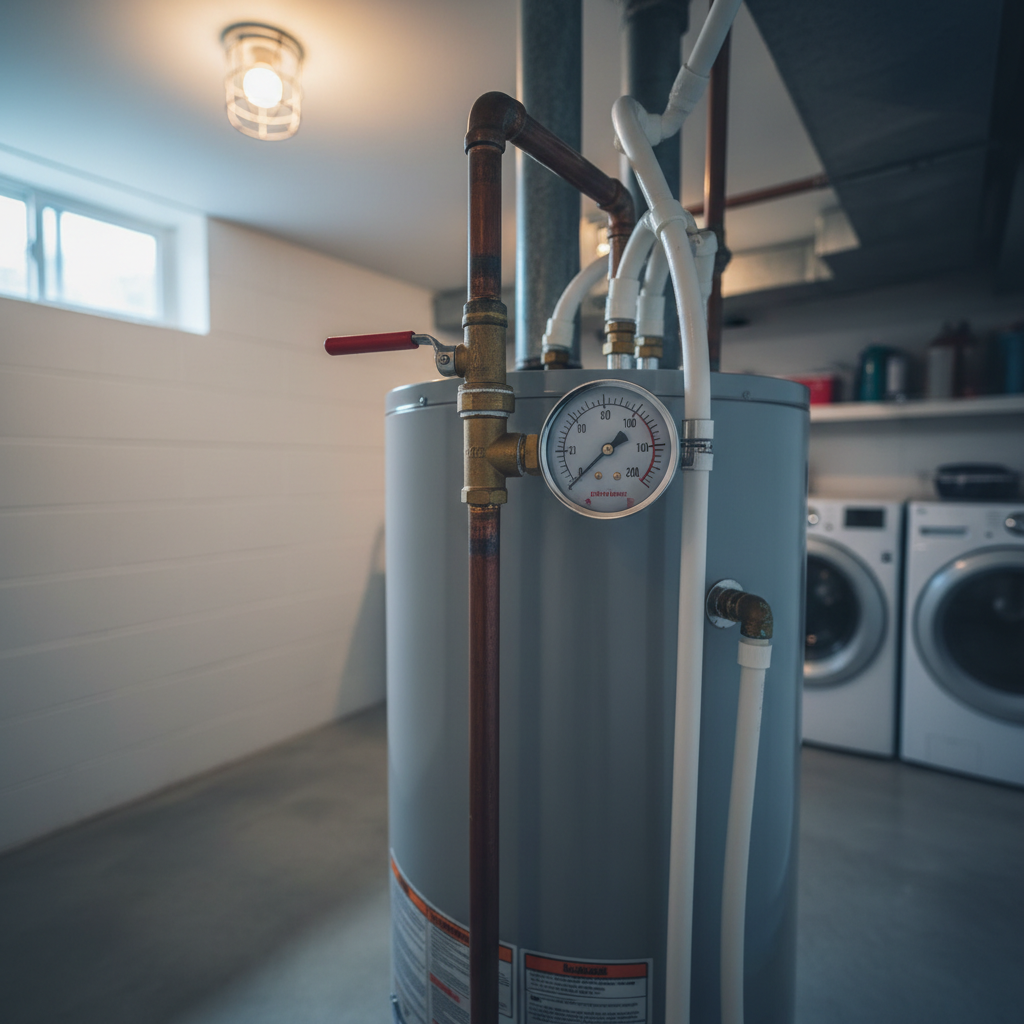
"Low water pressure from your hot water heater often signals sediment buildup or a failing pressure regulating valve. Don't ignore it, what starts as weak flow can escalate to complete system failure if left unaddressed." – Mike Stevens, Licensed Master Plumber
Restoring Your Water Pressure Effectively
Fixing hot water heater no pressure doesn't have to be overwhelming. Start with simple checks like valves and aerators before moving to electric heater troubleshooting for deeper issues. If sediment buildup or corroded pipes are the problem, professional help ensures lasting repairs. Regular maintenance prevents most pressure problems and keeps your system running efficiently. For persistent issues, especially with faucet flow issues, consulting a licensed plumber saves time and prevents costly damage.
Get Hot Water Today
Same-day water heater replacement by licensed, vetted plumbers.
Upfront pricing. No hidden fees. Guaranteed.
⚡ Available 24/7 — St. Louis Metro Area