
Hot Water But No Cold Water? Here’s How to Fix It
Key Takeaways
This bizarre plumbing situation defies logic and leaves many homeowners scratching their heads. You're not alone, and this problem is more common than you might think. Several straightforward issues can cause this unusual scenario. If you're experiencing hot water but no cold water throughout your home, you're probably feeling pretty confused right now.
Understanding Why You Have Hot Water Only
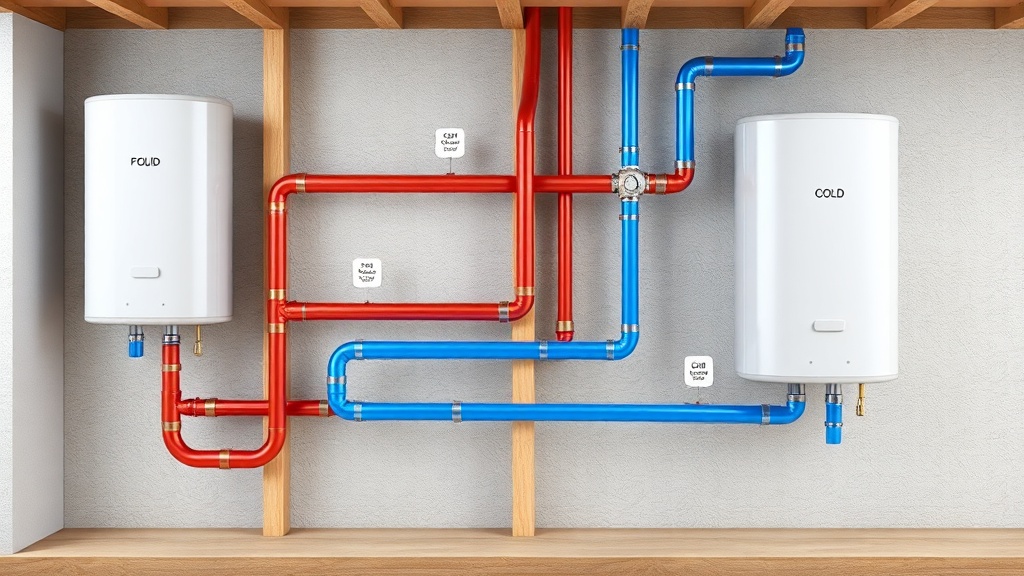
Homes have two separate water supply lines. Cold water runs directly from your main supply to fixtures, while hot water goes to your water heater first. When you're dealing with hot water but no cold water, it helps to understand how your home's plumbing system actually works. This dual-supply design means one line can experience problems while the other continues working normally, which explains why you might have hot water flowing from your faucets but no cold water coming through.
How Your Plumbing System Works
Your water heater essentially creates two independent systems within your home's plumbing network. Cold water enters the heater, gets heated to your desired temperature, then exits through dedicated hot water pipes that connect to every fixture. Meanwhile, cold water continues flowing through its own separate pipeline directly to faucets and appliances. This separation allows your water heater to maintain consistent hot water pressure even when cold water supply issues occur elsewhere in the system.
Why This Problem Seems Backwards
The key reason one water line can fail while the other works lies in their different pathways and components. Cold water travels through main supply valves, branch connections, and fixture shut-offs that don't affect hot water flow. Problems like frozen pipes, closed valves, or mineral buildup can block cold water while leaving the hot water system completely functional. Understanding this separation helps you pinpoint whether the issue affects your entire plumbing network or just the cold water supply chain.
Top Causes of Hot Water But No Cold Water
Unlike issues where both hot and cold water stop flowing, this situation points to problems affecting only your cold water supply lines. Most causes are straightforward to diagnose and often don't require extensive plumbing overhauls. When you experience hot water but no cold water throughout your home, the problem usually stems from specific mechanical failures in your plumbing system.
Shut-Off Valve Issues
The main cold water shut-off valve is the most frequent culprit when you suddenly lose cold water access. This valve, typically located near your water meter or where the main line enters your home, can accidentally get turned off during maintenance work or by family members. Check this valve first since it controls all cold water flow to your house. You'll find it's usually a gate valve or ball valve that should be fully open for proper water flow.
Pressure Regulator Failures
Pressure regulators can malfunction and restrict cold water flow while allowing hot water to pass through normally. These devices may develop internal blockages or mechanical failures. Mixing valves in shower systems sometimes get stuck in the hot position, preventing cold water from reaching fixtures. Frozen cold water pipes during winter can block flow while hot water lines remain functional.
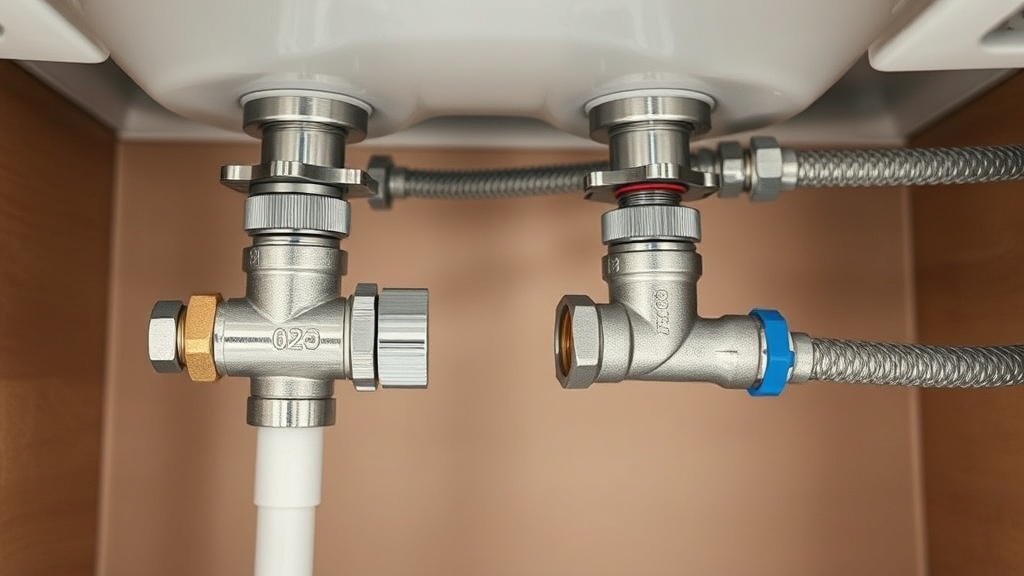
Here are the most common mechanical causes when you have hot water but no cold water in your plumbing system. Each issue requires a different diagnostic approach and repair method.
Troubleshooting Steps You Can Take Today
Check the cold water shutoff valve near your water meter or where the main line enters your house. These valves sometimes get accidentally turned during maintenance work. Look for obvious leaks or water pooling. When you have hot water but no hot water but throughout your home, start with a systematic visual inspection of your main water supply. Pay attention to whether the problem affects your entire house or just specific fixtures, as this information will help you narrow down the source.
Check Your Main Water Valves
Test every faucet and fixture in your home to determine if the hot water but no cold water issue is isolated or widespread. Start with kitchen and bathroom sinks, then check showers, tubs, and utility sinks. Turn each cold water handle fully and note the water flow rate and temperature. If only one or two fixtures lack cold water, you're likely dealing with localized valve problems or mineral buildup in specific supply lines rather than a whole-house issue.
When to Call a Professional
In cold weather, frozen pipes can cause hot water but no cold water situations since cold water lines often run closer to exterior walls. Check accessible areas like basements, crawl spaces, and utility rooms for visible cold water pipes that might be frozen. Look for frost on pipes, unusual ice buildup, or areas where pipes pass through unheated spaces. Never use open flames or excessive heat to thaw pipes, and shut off water immediately if you suspect frozen or burst lines to prevent flooding damage.
Why would only my cold water stop working?
Cold water stops working while hot water flows normally when there's a problem specifically affecting the cold water supply line or valve. The most common causes include a closed shutoff valve on the cold water line, a broken or stuck mixing valve in your faucet, or debris blocking the cold water inlet. Unlike heating system issues that affect hot water production, this problem isolates the cold water delivery system. Check if multiple fixtures are affected – if it's just one faucet, the issue is likely local to that fixture's mixing valve or aerator.
Is it safe to use only hot water until this is fixed?
Using only hot water temporarily is generally safe, but you should be cautious about scalding and avoid drinking very hot water. Hot water can contain higher levels of minerals and potential contaminants from your water heater, so use it sparingly for drinking and cooking. The bigger concern is that hot water but no cold water situations can stress your plumbing system and waste energy. You'll also find basic tasks like handwashing, teeth brushing, and dishwashing uncomfortable or difficult without cold water for temperature control.
Can I fix this myself or do I need a plumber?
Many cold water issues can be fixed with basic DIY skills, depending on the cause. Start by checking if the main cold water shutoff valve is fully open and inspect individual fixture valves. You can also try cleaning faucet aerators and checking for obvious blockages. However, if the problem affects your entire home's cold water supply, involves the main water line, or requires disassembling complex mixing valves, you'll need a professional plumber. Don't attempt repairs involving your home's main water supply without proper experience.
How much does it typically cost to fix this problem?
Repair costs vary widely based on the underlying cause. Simple fixes like replacing a faucet aerator or cartridge usually cost between $10-50 in parts if you do it yourself. Professional repairs for single-fixture problems typically range from $100-300. More extensive issues affecting your home's main cold water supply can cost several hundred to over $1,000, especially if it involves replacing main line valves or extensive pipe work. Getting a diagnostic assessment from a plumber first helps you understand the scope and cost before committing to repairs.
How long can I go without cold water before it causes damage?
You can generally go several days without cold water without causing direct damage to your plumbing system. The main risks are increased energy costs from using only hot water and potential strain on your water heater from increased usage. However, the underlying problem causing your cold water loss could worsen over time. For example, if it's due to a failing mixing valve, the issue might eventually affect your hot water too. Address the problem within a few days to prevent complications and restore normal water function throughout your home.
Getting Your Cold Water Flowing Again
Don't let plumbing issues disrupt your daily routine. Start with basic checks like inspecting shut-off valves and testing fixtures. Expert troubleshooting saves time and prevents damage. Most problems that cause this water temperature imbalance stem from simple valve adjustments, mineral deposits, or worn mixing valves that you can often address yourself. If these steps don't restore proper water temperatures, professional gas water heater technicians can diagnose complex issues with thermostatic mixing valves or cross-connections.
Get Hot Water Today
Same-day water heater replacement by licensed, vetted plumbers.
Upfront pricing. No hidden fees. Guaranteed.
⚡ Available 24/7 — St. Louis Metro Area