
Ways to Fix Cold Shower Water and Restore Your Hot Water Supply
Stepping into an icy stream ruins your morning. Follow these simple steps to fix cold shower issues and regain comfort quickly without calling a pro. You can learn to restore hot water by identifying whether the problem lies with your water heater settings, a worn out mixing valve, or a depleted tank.
Proven Troubleshooting Steps to Fix Cold Shower Water Fast
Check your water heater components to fix cold shower water. Inspect for tripped breakers, extinguished pilot lights, or failed heating elements caused by mineral buildup. Testing the continuity of these elements with a multimeter is a standard step in the shower troubleshooting guide to determine if a replacement is necessary for your system.
Water Heater Malfunctions
Incorrect thermostat settings or tripped switches often prevent hot water. Set yours between 120 and 140 degrees. If water stays cold, press the reset button on the limit switch. Resetting this switch can provide a quick heater fixes, though recurring trips suggest a faulty thermostat that needs professional attention.
Thermostat and Temperature Settings
Sediment buildup blocks heat transfer from the burner to your water. This causes popping sounds. You should flush the tank regularly to prevent efficiency losses. According to experts at Bonfe, neglecting this maintenance can lead to premature tank failure or significantly reduced hot water capacity in your home.
Quick Fixes You Can Try Immediately
Try a system reset to fix cold shower issues. On electric units, press the red reset button behind the access panel. For gas models, turn the knob off for sixty seconds before resetting the pilot. If other faucets stay hot, you likely need a it solution for your specific shower valve rather than the main heater.
Reset Your Water Heater
Check your electrical panel to fix cold shower issues. A tripped breaker often stops electric heaters. Reset the dedicated water heater circuit by toggling it off and back on again. If it trips again immediately, you might need professional water heater repairs to address a short circuit.
Check Circuit Breakers and Power
Check your gas heater's viewport for a blue flame. Verify the gas valve stays open and confirm your utility service isn't currently interrupted to restore hot water quickly. If the flame is out, following the manufacturer instructions for pilot light replacement or relighting can save you a service call.
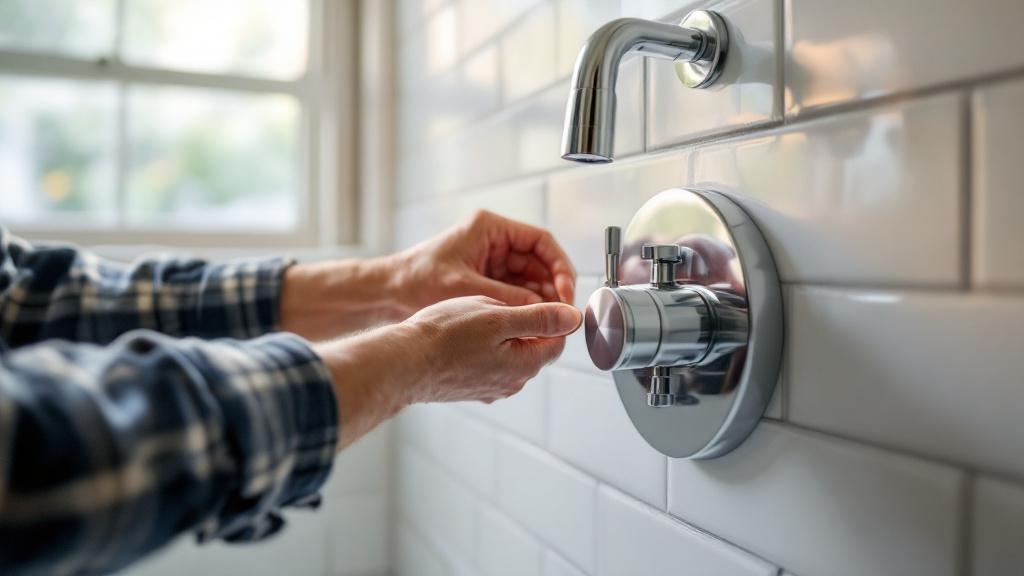
Troubleshooting cold showers effectively requires a systematic approach to identify whether the issue is mechanical or electrical. Following these immediate steps can help you determine the most likely cause for your lack of hot water. Many homeowners find that these basic checks provide a Stop Freezing or Scalding! How to Fix Shower Temperature Problems Yourself resource for quick resolution.
-
Check the pilot light on your gas water heater to ensure the flame hasn't gone out due to a draft or debris. It's the most common reason for a sudden loss of hot water and requires you to follow the manufacturer instructions for relighting the burner safely.
-
Inspect the circuit breaker to see if it tripped for electric units if you need to fix cold shower water immediately. Resetting the switch at the main electrical panel often restores power to the heating elements without requiring professional tools or a specialized plumbing background.
-
Adjust the thermostat settings on your tank to ensure the temperature is at least 120 degrees Fahrenheit for comfort. If the dial is set too low or the sensor is malfunctioning, you may need a shower temperature fix to stabilize the output and restore consistent warmth.
-
Examine the cross connection in your plumbing system by testing other faucets for hot water throughout the home. If the kitchen sink is hot but the shower remains icy, the issue likely resides in a faulty mixing valve or a clogged showerhead rather than the heater itself.
-
Verify the dip tube condition by checking for small white plastic bits in your faucet aerators or showerhead. A broken dip tube drops cold water at the top of the tank instead of the bottom, which prevents the unit from heating the water supply effectively for your home.
|
Troubleshooting Step |
Primary Cause |
Action Required |
Estimated Time |
|---|---|---|---|
|
Check Water Heater Power |
Tripped breaker or pilot light |
Reset switch or relight pilot |
5 Minutes |
|
Test Other Faucets |
Water heater capacity reached |
Run hot water in different sink |
2 Minutes |
|
Inspect Thermostat Settings |
Low temperature setting |
Adjust dial to 120°F (49°C) |
3 Minutes |
|
Verify Timer Settings |
Off-peak heating schedules |
Adjust or override active timer |
5 Minutes |
|
Monitor Recovery Time |
Excessive hot water usage |
Wait for tank to reheat fully |
30-60 Minutes |
Step-by-Step Repair Solutions for Cold Showers
To fix cold shower water, turn off the breaker and check heating elements with a multimeter. Replace any faulty $20 unit using an element wrench. Ensure the tank is full before restoring power. If you are also dealing with temperature swings during your scrub, you might need a separate shower temperature fix to address the mixing valve or dip tube.
Replacing Faulty Heating Elements
Sediment buildup often forces you to find a cold shower fix because it creates a barrier between the burner and the water. Draining and flushing your tank annually removes these mineral deposits that reduce efficiency. Connect a garden hose to the drain valve and let the water run until it is completely clear. This simple maintenance step improves heat transfer and extends the life of your appliance.
Flushing Sediment Buildup
Adjusting the thermostat settings can resolve issues where the water is lukewarm rather than hot. Most manufacturers recommend a setting of 120 degrees Fahrenheit to balance comfort and energy savings. If your water remains cool despite a high setting, the thermostat might be faulty and require testing with a voltmeter. You can find detailed troubleshooting cold showers common causes and solutions for various models to help determine if a replacement is necessary.
When to Call a Professional Plumber
Call a pro if DIY fixes fail or you smell gas. Professional repairs ensure your unit meets safety codes. Most tanks last 10 to 12 years. If yours is older or the tank is cracked, it's time for a replacement. A qualified plumber can help you decide between a quick water heater repair or a full replacement based on the unit's age and efficiency.
Complex Electrical and Gas Issues
Rusty water or puddles often mean tank failure. While minor leaks are fixable, a cracked shell requires a new unit. If you're learning how to fix cold shower issues, replacement is often safest. Experts at Bonfe suggest that frequent repairs on a unit over a decade old are rarely cost-effective long term.
Repair vs. Replacement Decisions
Apply the 50 percent rule: if a repair costs half a new unit’s price, replace it. New models cut bills by 15 percent. Pro installation ensures your warranty and safety. A cost comparison helps determine if you should invest in water heater repairs or purchase a new system.
What is the fastest way to fix cold shower water at home?
You can often solve temperature issues by checking your water heater settings or looking for a tripped circuit breaker. If you have an electric unit, a flipped switch in the breaker panel is a common culprit that cuts power to the heating elements. For gas heaters, ensure the pilot light is still lit and that the gas valve hasn't been accidentally turned off. You should also check the thermostat on the unit to make sure it's set between 120 and 140 degrees. These simple steps often restore hot water without needing a professional plumber.
How can I fix a shower that stays cold even when the water heater is working?
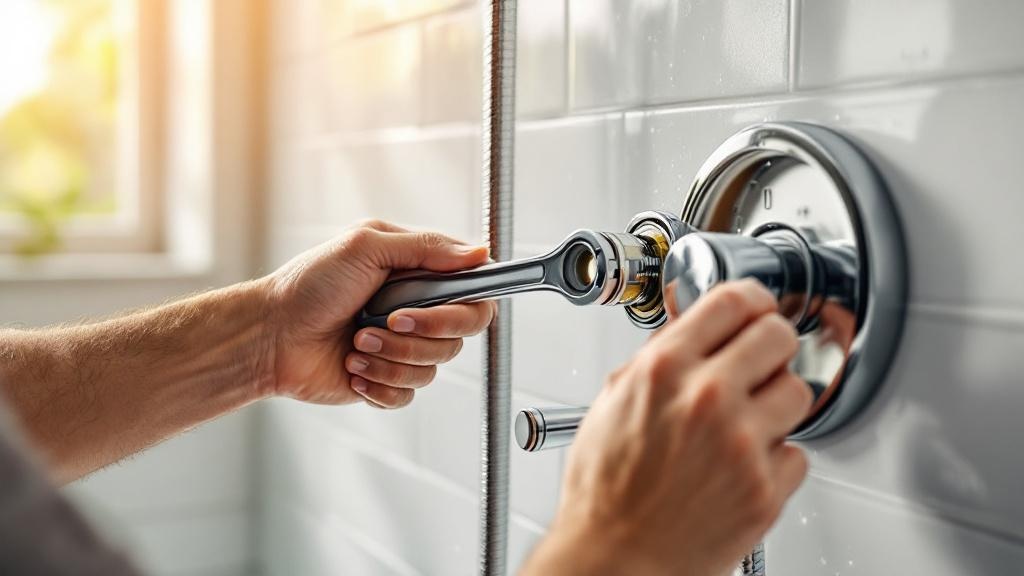
A faulty shower mixing valve is likely the cause if other faucets in your house have plenty of hot water. This valve is located behind your shower handle and is responsible for blending hot and cold water to reach your desired temperature. Over time, the internal cartridge can wear out or become clogged with mineral deposits. You might need to replace the cartridge or adjust the rotational limit stop, which is a small plastic piece that limits how far the handle can turn toward the hot side. This is a common way to fix cold shower issues caused by hardware failure.
Why does my shower go cold after only a few minutes?
This problem usually points to a broken dip tube or a buildup of sediment inside your water heater tank. The dip tube directs cold incoming water to the bottom of the tank to be heated. If it's cracked or broken, cold water stays at the top and exits through the hot water pipe before it's properly warmed. Sediment buildup at the bottom of the tank can also insulate the water from the heating source. Regular maintenance and flushing the tank can help you avoid these issues and effectively fix cold shower water duration problems.
Can a tripped high-limit switch cause a cold shower?
Yes, the high-limit switch acts as a safety device that shuts off power if the water temperature gets too high. If your shower is suddenly ice cold, you can try pressing the red reset button located on the upper thermostat of an electric water heater. You'll need to remove the access panel on the side of the tank to find it. If the switch trips frequently, it's a sign that your thermostat is malfunctioning or your wiring is loose. Identifying this electrical fault is a key step when you want to learn how to fix cold shower issues.
How do I fix a shower that fluctuates between hot and cold?
Fluctuating temperatures are often caused by a pressure balance valve that can't handle changes in water usage elsewhere in the house. When someone flushes a toilet or runs the dishwasher, the sudden drop in cold water pressure causes the valve to compensate, leading to a blast of hot or cold water. Upgrading to a thermostatic mixing valve is a great long-term solution because it reacts to temperature rather than just pressure. You can find more detailed help in a shower troubleshooting guide to stabilize your water temperature for good.
Restore Your Hot Water and Prevent Future Problems
Check the pilot light and power switch first. Proactive maintenance helps you avoid sudden bursts of ice water. Restoring your comfort starts with a systematic check of your plumbing system to fix cold shower issues. Following a professional shower troubleshooting guide ensures you address regional sediment buildup or aging components effectively.
Get Hot Water Today
Same-day water heater replacement by licensed, vetted plumbers.
Upfront pricing. No hidden fees. Guaranteed.
⚡ Available 24/7 — St. Louis Metro Area