
No Hot Water in House Electric: Troubleshooting Guide for Electric Water Heaters
Key Takeaways
-
Start troubleshooting by checking your electrical panel—tripped breakers cause most electric water heater failures and can be reset easily.
-
Failed heating elements or malfunctioning thermostats require professional replacement but show clear symptoms like partial or no hot water.
-
The high-temperature limit switch may trip as a safety feature, shutting down heating until you reset it behind the unit's access panel.
-
Electric water heaters need dedicated 240-volt circuits; repeated breaker trips indicate serious electrical problems requiring licensed electrician help.
-
Cold weather in unheated spaces can slow water heating or freeze supply pipes, cutting off flow entirely until temperatures rise.
Finding no hot water in house electric systems can disrupt your morning routine with cold showers and halted tasks. Electric water heaters typically fail due to tripped breakers, faulty heating elements, or thermostat issues. This guide walks you through common causes and when professional help becomes necessary to restore your hot water supply.
Common Causes of Electric Water Heater Failure
When you have no hot water in your house and your heater runs on electricity, the problem typically stems from a tripped circuit breaker, failed heating element, or faulty thermostat. Before calling a professional, check your electrical panel, a tripped breaker is the simplest fix. If the breaker's fine, the issue involves internal components.
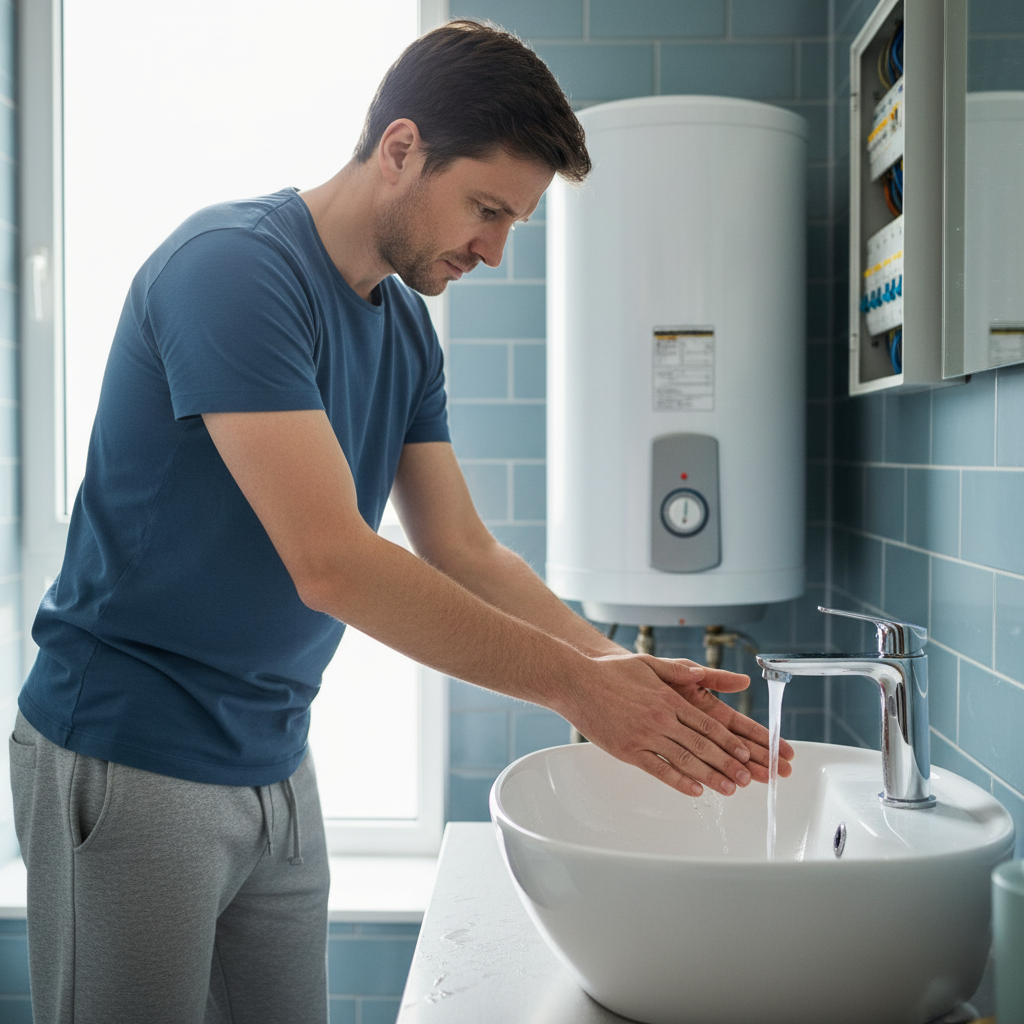
What Should You Check First?
Losing hot water can disrupt your entire household routine, but most electric hot water heater issues have straightforward solutions. You'll learn to identify common culprits like tripped breakers, faulty heating elements, and thermostat problems, many of which you can troubleshoot yourself before calling a professional.
-
Check your electrical panel for tripped breakers or blown fuses, power issues are the most common reason for no hot water in house electric systems. A tripped breaker appears in the middle position rather than fully on or off. Reset any tripped breakers by switching them completely off, then back on. If the breaker trips again immediately, you're dealing with a more serious electrical issue that requires professional attention.
-
Test your circuit breaker by inspecting whether it's receiving power and staying engaged when you reset it. Electric water heaters typically require a dedicated 240-volt circuit with 30-40 amp capacity. If you've recently added new appliances or had electrical work done, you might have overloaded the circuit. Don't attempt repairs inside the electrical panel yourself, this work should always be handled by licensed electricians for safety.
-
Verify that your water heater's high-temperature limit switch hasn't tripped, which would shut down heating entirely as a safety measure. This reset button is usually located behind a removable panel on the heater itself. Before pressing any reset buttons, shut off power at the breaker to avoid electrical shock. If the limit switch trips repeatedly after resetting, it's signaling a more serious problem like faulty thermostats or heating elements.
-
Inspect your heating elements if power is reaching the unit but you still have no hot water in electric heaters, these components burn out over time and stop producing heat even when electricity flows through them. You can review common causes and solutions for electric heater troubleshooting to understand whether you need element replacement. Most residential electric heaters have two elements that heat water in sequence, and failure of either one significantly reduces hot water availability.
-
Consider whether recent cold weather has affected your system if your water heater is in an unheated space like a garage or crawlspace. While the unit itself won't freeze, extremely cold temperatures can make it work harder and slower to heat water. You might also have frozen supply pipes cutting off water flow entirely. Check exposed pipes for frost or ice buildup, particularly where they enter the house from outside.
When to Call a Professional Plumber
When you're suddenly facing no hot water in your house with an electric heater, the problem often traces back to a few common culprits. Start with your home's electrical panel, a tripped circuit breaker is one of the most frequent causes. If the breaker looks fine, check the heating elements inside your tank.
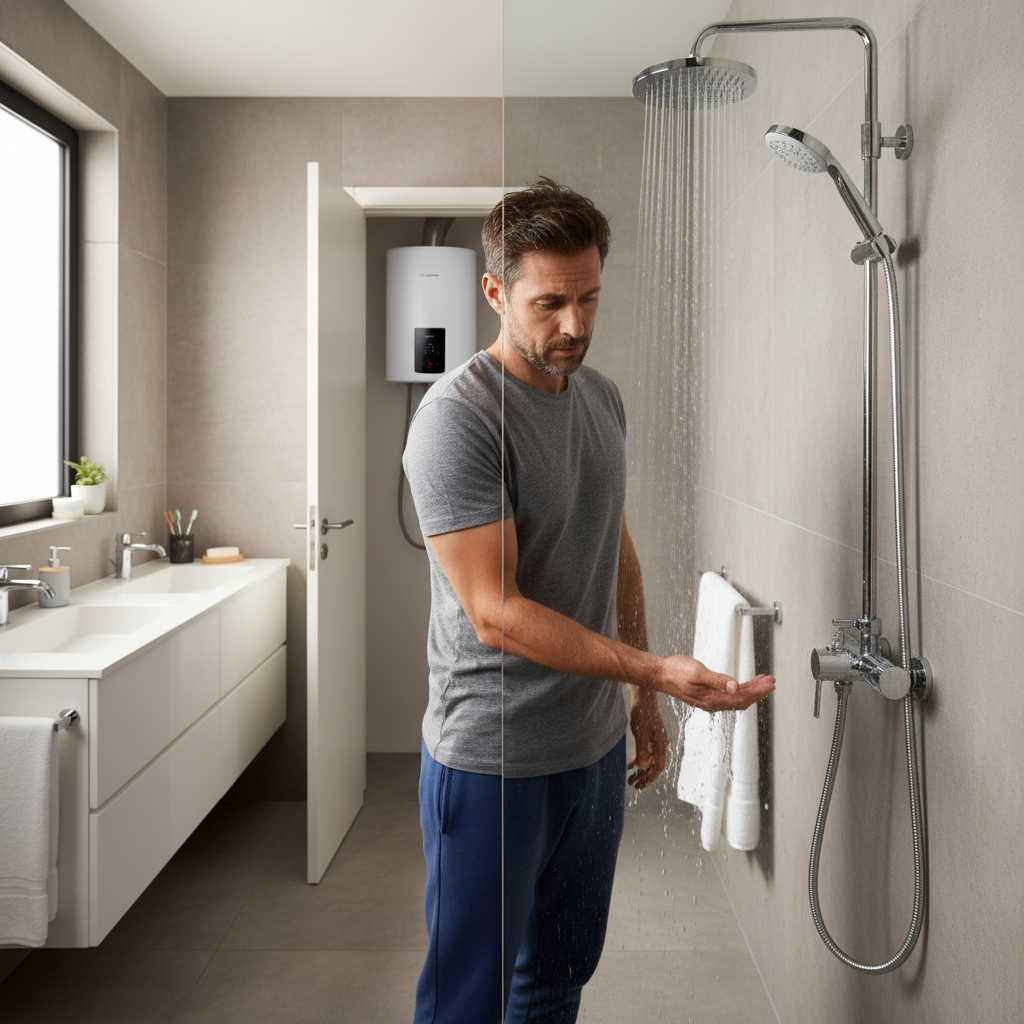
Restoring Your Hot Water Supply
Restoring hot water in your home often comes down to checking a few key components, circuit breakers, heating elements, and thermostats. Many issues can be resolved with basic troubleshooting, but electrical work and tank repairs are best left to licensed professionals. Don't let a cold shower disrupt your routine.
Get Hot Water Today
Same-day water heater replacement by licensed, vetted plumbers.
Upfront pricing. No hidden fees. Guaranteed.
⚡ Available 24/7 — St. Louis Metro Area