
Is No Hot Water a Maintenance Emergency? Essential Tenant Guide
Key Takeaways
Is no hot water a maintenance emergency? It usually is, as local codes require heated water for sanitation. Beyond the personal inconvenience, legal standards for habitability generally classify reliable hot water as a basic requirement for a safe living environment. Landlords are typically obligated to restore this service within 24 to 48 hours because a lack of heat is often considered a critical failure. If you are facing this situation, start with some hot water troubleshooting to rule out simple pilot light or power issues before contacting your property manager.
Determining If No Hot Water Is a Maintenance Emergency
Loss of hot water constitutes an emergency because it's required for sanitation. Landlords must usually fix it within 48 hours. Determining if no hot water is a maintenance emergency often depends on whether the lack of heat violates local habitability standards or poses a direct health risk. When a system fails entirely, you should perform no hot water troubleshooting to check for simple fixes before contacting management.
Health and Safety Criteria
Vulnerable populations significantly impact whether no hot water is a maintenance emergency in a residential setting. If the household includes infants, elderly individuals, or people with chronic illnesses, the absence of heated water becomes a critical safety hazard immediately. These groups are more susceptible to infections and skin conditions when they cannot bathe in warm water. In such cases, the priority for repairs is drastically elevated to protect their fundamental wellbeing.
Habitability Standards for Rental Properties
Federal and state habitability codes clarify the legal side of whether no hot water is a maintenance emergency for renters. These codes establish that a dwelling without a reliable source of hot water is unfit for occupation. While minor fluctuations might not qualify, a total outage for more than a day typically triggers emergency protocols. Proper sanitation requires heated water for effective cleaning, making the restoration of service a primary responsibility for property owners.
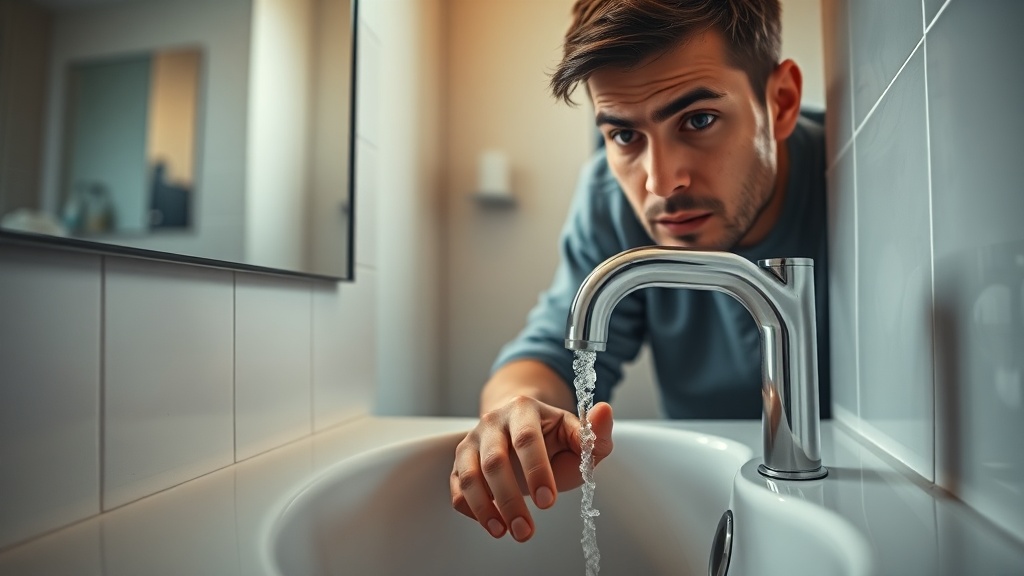
Landlord and Tenant Responsibilities Explained
Legally, is no hot water a maintenance emergency? It's often a habitability breach. Managers must often fix issues within 24 hours to ensure proper hygiene and sanitation. Landlords are legally required to provide habitable living conditions under local housing codes, which inherently includes a functional hot water supply.
Emergency Response Timeline Requirements
Document tenant notification procedures in writing to protect your legal rights. Call your landlord, then follow up with an email to ensure accurate communication records. Clearly state that the loss of service is no hot water a maintenance emergency to ensure the staff understands the severity.
Tenant Reporting Obligations
Reasonable response timeframes usually range from 24 to 48 hours for life-essential services like hot water. If the landlord cannot fix the system within this window, they should offer temporary solutions to maintain habitability. You might ask for access to a vacant unit or a temporary credit for local gym memberships where daily showering is possible. Understanding that is no hot water a maintenance emergency helps you negotiate these temporary accommodations while waiting for a permanent fix.
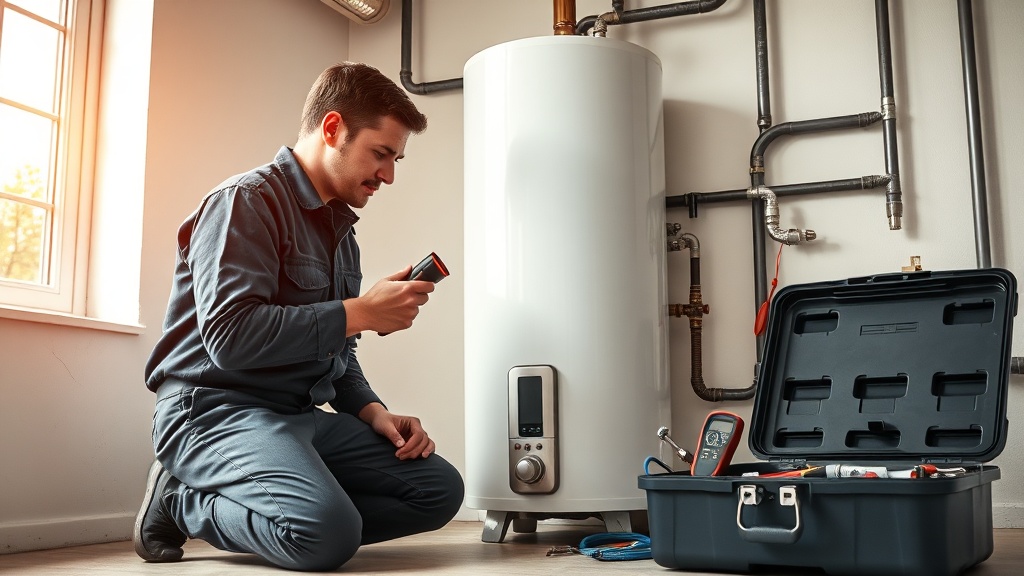
Managing a hot water crisis effectively requires following a specific protocol to ensure your rights as a tenant are respected. These essential steps help minimize your time without hot water while ensuring the landlord remains compliant with local regulations.
Troubleshooting Before Calling for Emergency Service
Before deciding if no hot water is a maintenance emergency, check your circuit breaker and gas supply to rule out simple outages. Start by verifying if the issue affects every faucet or just one, as a single failing fixture might point to localized faucet flow problems rather than a system failure.
Common Water Heater Issues
Safety is your priority during an inspection. Never relight a pilot light if you smell gas. If a leak exists, use the shut-off valve immediately. Take photos of unit error codes for your maintenance request. This documentation ensures Heating, hot water and power problems are handled accurately.
When Professional Help Is Required
Heat water on the stove for basic hygiene while waiting for repairs. If it's freezing, leave faucets dripping slightly to prevent pipes from bursting and protect your property until help arrives. Understanding common heater problems through your manual might even reveal a simple reset button that restores service immediately.
Is lack of hot water worse in winter months?
Losing access to heated water is often considered a higher priority during the winter because of the risks associated with cold temperatures. While many people ask if no hot water is a maintenance emergency during the summer, the classification becomes much stricter when freezing temperatures can cause pipes to burst or affect the overall habitability of the home. In colder climates, local laws frequently mandate that landlords provide consistent hot water to ensure the safety and hygiene of the residents. If you find your system failing when it's freezing outside, you should begin hot water troubleshooting immediately to see if the issue is a simple pilot light or a more serious mechanical failure.
Who pays for emergency water heater repairs in rentals?
Landlords are generally responsible for the costs of repairing or replacing a water heater unless the damage was caused by tenant negligence. Since hot water is a basic necessity required for sanitation, the property owner must cover the expenses to keep the unit in good working order. You're responsible for notifying the landlord as soon as you notice the problem. In some cases, tenants might encounter gas supply issues that are the responsibility of the utility company rather than the landlord, so it's helpful to verify where the outage is coming from before calling for repairs.
How long can a landlord legally take to restore hot water?
Most jurisdictions require landlords to address a total loss of hot water within 24 to 48 hours. Because having such a lack of hot water is a maintenance emergency in most states, the timeline is much shorter than it is for cosmetic repairs. The specific timeframe varies by city and state, but the general rule is that the repair must happen as quickly as possible. If the parts are on backorder or a full replacement is needed, the landlord should provide you with a clear timeline and potentially temporary accommodations if the home becomes uninhabitable.
Can I withhold rent if there's no hot water?
You should check your specific state laws before withholding rent because doing so improperly can lead to eviction. Many regions allow for a process called repair and deduct, where you pay for the fix yourself and subtract the cost from your rent, but this requires following strict notice requirements. Other areas might allow you to put rent into an escrow account until the repair is finished. It's rarely legal to just stop paying rent entirely without following these formal legal steps, even if the lack of hot water is an emergency that remains unaddressed.
What if my landlord refuses to fix the hot water issue?
If a landlord ignores a request for hot water repairs, you can contact your local building inspector or health department. These agencies can issue citations or fines to compel the owner to take action. You might also want to seek legal advice regarding a constructive eviction claim if the home is no longer livable. Document every communication you have with the landlord, including dates and times you reported the issue, to build a case if you need to go to housing court or mediation to get your hot water restored.
Know Your Rights and Take Action
Determining if no hot water is a maintenance emergency depends on your local climate and specific lease terms. While most landlords must provide essential utilities, winter weather and total system failures often escalate the priority of the repair. You should start with hot water troubleshooting to rule out simple causes before pursuing legal recourse options. If problems persist because of gas supply issues, notify your landlord immediately in writing to ensure your rights are protected and the unit is restored to a habitable state.
Get Hot Water Today
Same-day water heater replacement by licensed, vetted plumbers.
Upfront pricing. No hidden fees. Guaranteed.
⚡ Available 24/7 — St. Louis Metro Area