
Water Heater Thermostat Replacement: Complete DIY Guide
When your water heater thermostat replacement becomes necessary, you're facing one of the most common yet critical repairs for maintaining consistent hot water. A faulty thermostat can leave you with scalding temperatures or ice-cold showers, but understanding the replacement process helps you decide between tackling it yourself or calling a professional.
Signs You Need Water Heater Thermostat Replacement
You can tackle this project yourself with basic tools and a little patience. The thermostat controls your water temperature, and when it fails, you'll notice inconsistent hot water or none at all. Before starting any water heater thermostat replacement, turn off the power at your circuit breaker. Most residential water heaters use a dual-element system with two thermostats. Test both thermostats with a multimeter before replacing them. “`json
{
"text_content": "Replacing a water heater thermostat doesn't have to be complicated.
Essential Tools and Safety Precautions
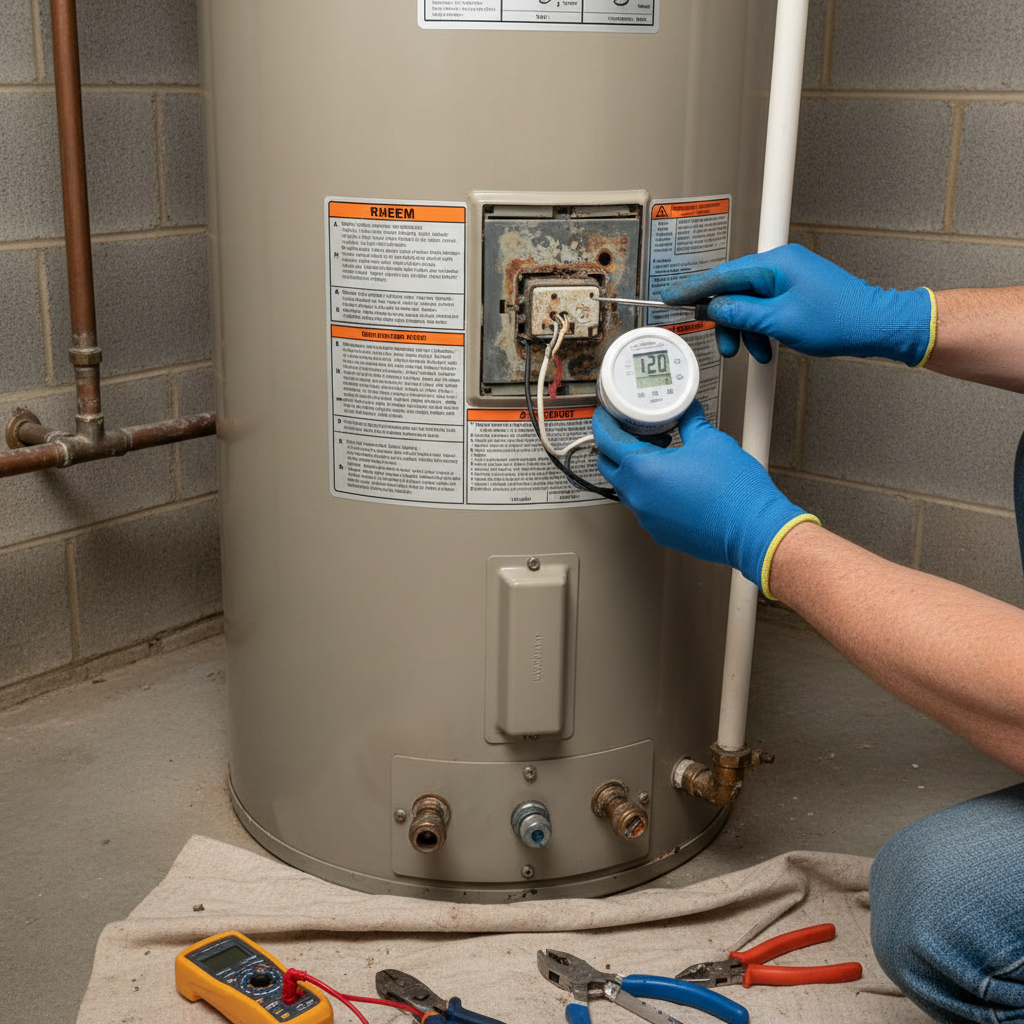
Replacing your water heater thermostat can fix temperature issues and restore hot water. You'll need basic tools and about 30 minutes to complete this repair.
-
Professional water heater thermostat replacement typically costs between $150 and $300, though a DIY approach can save money if you are comfortable with electrical components. Before starting, turn off the power at the circuit breaker and verify it is off using a voltage tester to prevent electrical shock.
-
Most electric water heaters feature two thermostats: an upper and lower unit that work together to heat water efficiently. The upper thermostat acts as the master control for the upper heating element, while the lower thermostat manages the bottom element. If one fails, you may still receive some hot water, but it likely will not meet your household needs.
-
Set both thermostats to the same temperature—typically 120°F—to ensure consistency and prevent scalding. Higher settings waste energy and increase burn risks, while settings below 120°F can encourage bacterial growth. After adjusting the settings, wait three to four hours before testing the water temperature at a faucet.
-
If you experience frequent thermostat failures or your unit is over 10 years old, evaluate whether repair is practical compared to a full unit replacement. Check average replacement costs to make an informed decision between a temporary fix and a new installation.
-
Test your thermostats before replacing them by using a multimeter to check for continuity. A faulty thermostat will not show continuity when calling for heat. This simple test can prevent you from replacing functioning parts and help identify if the problem lies elsewhere in your water heating system.
Step-by-Step Thermostat Replacement Process
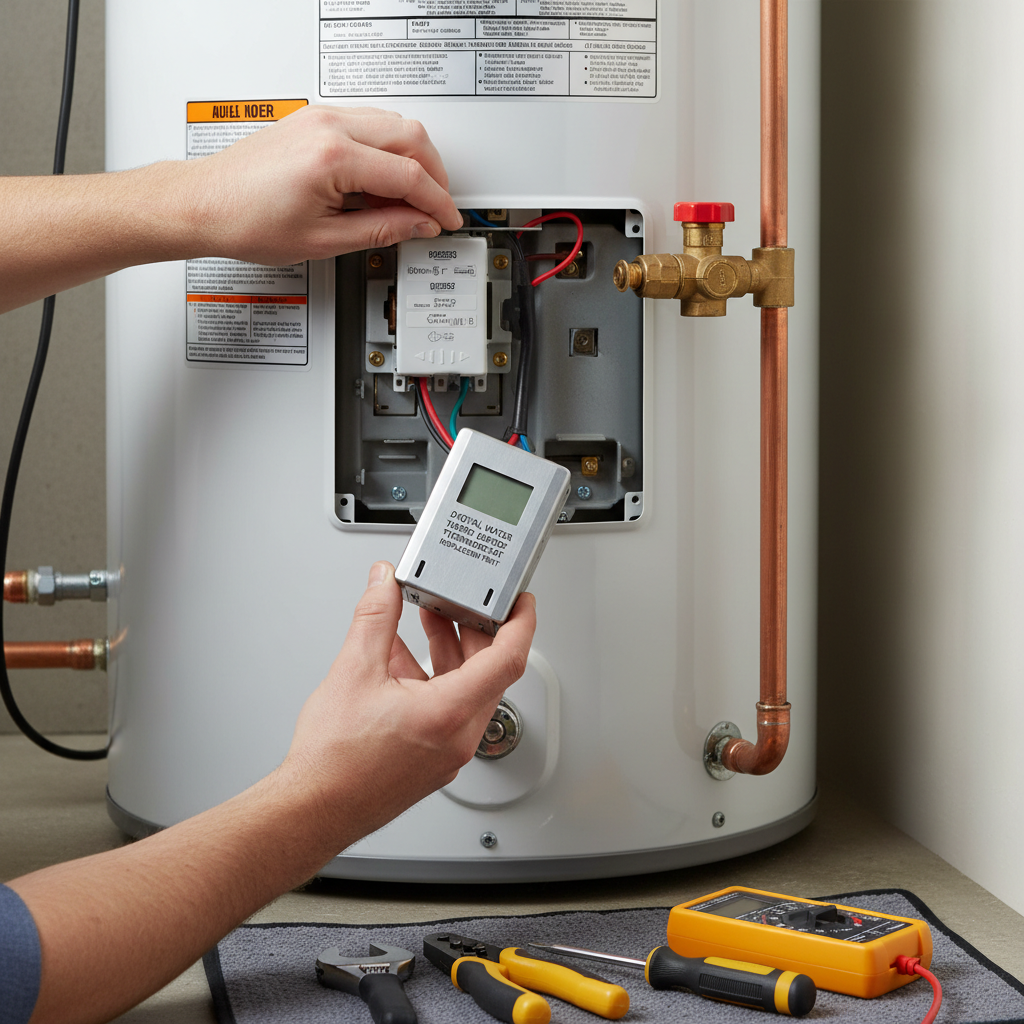
When your water heater isn't heating properly, a faulty thermostat is often the culprit. You'll notice signs like inconsistent water temperatures or no hot water at all. Don't panic, though. Water heater thermostat replacement is a manageable DIY project for most homeowners. Before you start, turn off the power to your unit at the breaker box. Safety comes first. Remove the access panel to locate the thermostat, which controls the heating element's temperature. You might find one or two thermostats depending on your tank size. Take a photo of the wiring before disconnecting anything. This simple step saves you headaches during reinstallation. Match the new thermostat to your old one's specifications. Once you've swapped them out and restored power, test the water temperature after a few hours.
Taking Control of Your Water Heater Maintenance
Taking control of water heater thermostat replacement doesn't have to feel overwhelming. Whether you're tackling heating element replacement or exploring complete electric unit replacement, regular maintenance prevents costly emergencies and extends your equipment's lifespan significantly.
Get Hot Water Today
Same-day water heater replacement by licensed, vetted plumbers.
Upfront pricing. No hidden fees. Guaranteed.
⚡ Available 24/7 — St. Louis Metro Area