
How to Fix a Cold Shower: A Professional Troubleshooting Guide for Homeowners
Stepping into a freezing stream is a miserable morning surprise. Learning it starts with simple checks like pilot lights or tripped breakers. Most homeowners can restore heat by resetting switches, but complex gas or electrical issues require professional help to stay safe. You can often fix cold showers by identifying the specific component that stopped functioning correctly.
Troubleshooting Guide: How to Fix a Cold Shower Fast
To learn this system, first check if the issue affects your whole home. It's often a tripped reset button, failed heating element, or extinguished pilot light. Check your thermostat and digital error codes for quick answers. Getting the right parts to restore hot water is the fastest way to get your morning routine back on track without waiting for a professional.
Water Heater Failures
Internal components like the dip tube can deteriorate over time, dropping cold water directly at the bottom of the tank rather than the top. This results in lukewarm spray that quickly turns freezing. You might also need to replace heating elements if you notice the water never reaches its set temperature. Testing these components with a multimeter is a standard step in most 2026 home maintenance routines to confirm electrical continuity.
Thermostat and Temperature Issues
Shower mixing valves balance hot and cold flow. When cartridges wear out or clog with mineral deposits, they block heat from your showerhead. This explains why your sinks stay warm while the shower stays cold. Check troubleshooting cold showers common causes and solutions to identify if your pressure balance valve is the culprit.
Step-by-Step DIY Fixes for Cold Showers
Reset tripped electric breakers by toggling them off then on. For gas, check the valve and pilot light. If the flame fails, use a professional pilot light guide to troubleshoot issues. Testing your home electrical panel or checking the gas supply is the first step to restore hot water when your shower stays frigid.
Adjusting Your Water Heater Settings
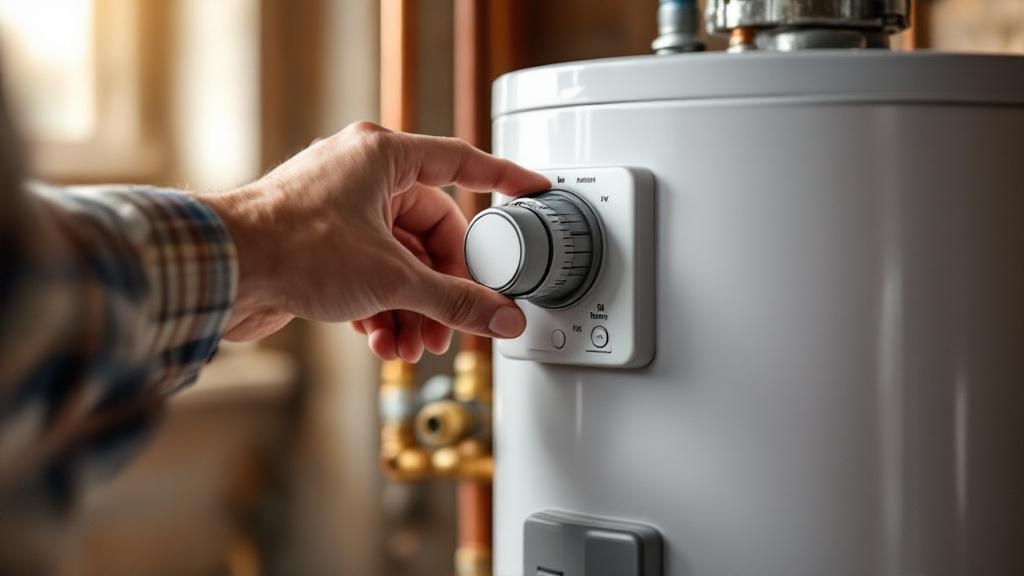
Adjust your thermostat for an immediate fix. Manufacturers recommend 120 degrees Fahrenheit for safety. Set it to 125 degrees in winter. You can use a shower troubleshooting guide to determine if the issue is a faulty thermostat or simply an incorrect setting that needs a quick manual adjustment.
Flushing Sediment Buildup
Flushing sediment from the tank improves efficiency by removing mineral buildup. Experts suggest doing this annually to prevent popping noises or premature failure. Regular flushing ensures your unit won't work extra hard to reach your desired temperature as you fix a cold shower.
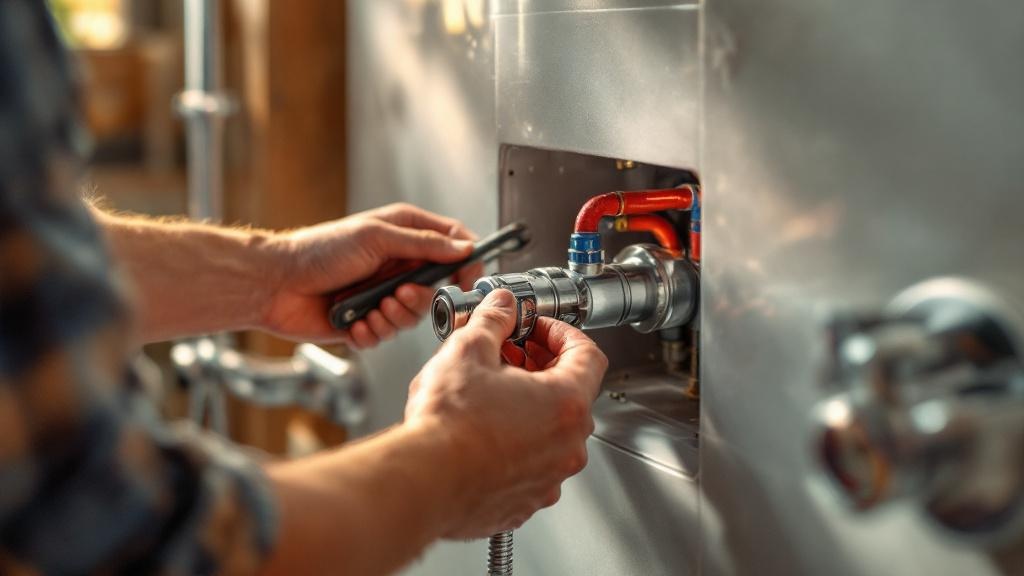
Identifying the root cause allows you to apply the correct repair and fix cold showers without calling an expensive plumber. The following list outlines specific DIY steps to resolve common mechanical and electrical failures within your water heating system.
-
Verify the water heater power source or pilot light hasn't failed because a tripped breaker or extinguished flame are the most common culprits. You should check your electrical panel for flipped switches or look through the heater sight glass to ensure the burner remains lit for consistent warmth.
-
Examine the water heater thermostat settings to ensure they haven't been accidentally lowered below the standard 120 degrees Fahrenheit. If you have a dual-element electric tank, one failed heating element can result in lukewarm water that quickly turns cold during your shower.
-
Replace a faulty pressure balance valve or thermostatic mixing valve if your shower temperature fixes don't work by adjusting the heater alone. These internal faucet components often wear out over time, causing the cartridge to block hot water flow or fail to mix streams properly.
-
Check the water heater dip tube for signs of physical deterioration or cracks that allow cold water to mix with hot water at the top of the tank. A broken dip tube is a frequent cause for how to fix a cold shower when the tank feels hot but the output is chilly.
|
DIY Fix Method |
Complexity Level |
Required Tools |
Safety Precaution |
|---|---|---|---|
|
Check Water Heater Power |
Low |
None |
Ensure hands are dry before touching breakers. |
|
Reset Pilot Light |
Low |
Long Match/Lighter |
Wait for gas to dissipate if ignition fails. |
|
Adjust Thermostat Dial |
Low |
Screwdriver |
Do not exceed 120°F to prevent scalding. |
|
Flush Sediment Tank |
Medium |
Garden Hose |
Be cautious of extremely hot drainage water. |
|
Replace Shower Cartridge |
High |
Allen Wrench, Pliers |
Turn off main water supply before disassembly. |
Repair vs. Replacement: Making the Right Choice
If your water heater is over 12 years old, small repairs don't solve tank fatigue. Expect to pay $200 to $1,400 for repairs versus replacement. You should consider the 50 percent rule where if the repair bill exceeds half the cost of a new unit, it is time to restore hot water with a modern replacement that offers better reliability.
Cost Comparison Analysis
Modern water heaters manufactured in 2026 provide significant energy efficiency gains that can lower your monthly utility bills by up to 20 percent. These units use advanced insulation and smart sensors to prevent heat loss, making them a smarter long-term investment than constantly trying to fix cold showers in an aging system. This jump in efficiency often offsets the initial purchase price within five to seven years.
Long-Term Value Considerations
Mechanical failure isn't always the culprit when you're troubleshooting cold showers, as sediment buildup can mimic more serious mechanical problems. Before committing to a costly replacement, check if a simple flush or a new anode rod can extend the life of your current tank. Professionals recommend looking at why is the water in my shower cold to rule out issues like broken dip tubes or tripped circuit breakers before buying new equipment.
Preventive Maintenance to Avoid Cold Showers
Preventive maintenance stops the frustration of an ice cold shower. You should flush sediment annually to maintain efficiency. These proactive steps ensure reliability and show you how to fix a cold shower before mechanical wear causes a total failure. Every month, check the area around your tank for moisture to identify heater leaks before they lead to catastrophic failure.
Regular Inspection Schedule
Check your temperature and pressure relief valve and sacrificial anode rod for safety. Test the T and P valve twice a year. Neglecting these parts often leads to premature tank failure. Simultaneously, schedule an anode rod replacement every three to five years to combat tank corrosion.
Professional Maintenance Services
Service contracts offer a hands-off way to keep systems efficient. These plans include inspections that catch minor issues before they cause cold showers. Many agreements even provide priority scheduling and part discounts. Experts provide comprehensive troubleshooting cold showers common causes and solutions to keep your plumbing in peak condition.
Why is my shower water cold even when the water heater is on?
Your shower is likely cold because of a faulty pressure-balancing valve or a broken dip tube inside your water heater. If other faucets in your home have hot water but the shower doesn't, the issue usually lies within the shower mixing valve itself. This valve balances the flow of hot and cold water, and when it wears out, it can't properly regulate the temperature. You might need to fix cold showers by replacing the cartridge inside the shower handle. Checking the water heater thermostat settings is also a good first step to Ensure it hasn't been bumped to a lower temperature accidentally.
How do I fix a shower that stays cold after running for several minutes?
You can often resolve this by checking the high-limit switch on your electric water heater or relighting the pilot light on a gas unit. If the water never warms up anywhere in the house, the heating elements or the gas control valve have likely failed. For electric models, press the red reset button on the upper thermostat to see if that restores power to the elements. If you only experience this issue in one bathroom, the problem is usually a clogged showerhead or a restricted flow line that prevents hot water from reaching the fixture efficiently.
Can a broken shower mixing valve cause a cold shower?
Yes, a failing mixing valve is one of the most common reasons why you might lose hot water during your morning routine. These valves contain rubber seals and springs that degrade over time due to mineral buildup or general wear. When the internal parts fail, the valve may default to a cold-only position or fail to mix enough hot water into the stream. Replacing the shower cartridge is the standard way to address this, as it houses the components responsible for managing the temperature ratio before the water exits the showerhead.
What should I check first when troubleshooting how to fix a cold shower?
Start by checking if hot water is available at other fixtures like your kitchen sink to determine if the problem is localized or systemic. If the kitchen sink is hot but the shower is cold, focus your efforts on the shower’s internal plumbing components and the anti-scald settings. If every faucet in the house is cold, inspect your water heater for power issues, tripped breakers, or blown pilot lights. Many modern water heaters also have digital error codes that can tell you exactly which component has failed, saving you time during the diagnostic process.
Does sediment buildup in the water heater lead to cold showers?
Sediment accumulation can significantly reduce the amount of hot water available by taking up space in the tank and insulating the heating elements. Over several years, minerals like calcium and magnesium settle at the bottom of the tank, which forces the heater to work harder and run out of hot water much faster than it should. Flushing your tank annually helps prevent this problem and extends the life of your equipment. If your showers start hot but turn cold after just a few minutes, a thick layer of sediment or a damaged dip tube is the most probable culprit.
Restore Your Hot Water Comfort Today
Check for tripped breakers or extinguished pilot lights first. Call a professional if your unit needs complex electrical repairs. Most people can successfully fix cold showers by inspecting the water heater settings or replacing a worn-out shower cartridge. If these initial steps don't solve the problem, you might need to restore hot water by looking deeper into your system's components.
Get Hot Water Today
Same-day water heater replacement by licensed, vetted plumbers.
Upfront pricing. No hidden fees. Guaranteed.
⚡ Available 24/7 — St. Louis Metro Area