
Water Heater Is Leaking: Emergency Guide What To Do Now
A water heater is leaking and you need answers fast. Whether you're noticing water pooling around the base or wondering what to do if yours leaks from the bottom, this situation demands immediate attention. You might be asking yourself, "Can I take a shower with this problem?" or "What should I do next?" These are common questions when this situation strikes unexpectedly. We'll walk you through identifying the problem, taking action, and knowing when water heater leak repair is your best option.
What To Do If Water Heater Is Leaking From Bottom
When your water heater is leaking from the bottom, the source and severity determine your next steps. Water pooling beneath your tank typically signals either a failing tank with corrosion holes or a leaking drain valve that's easier to fix. Start by turning off power to electric units or the gas supply on gas models, then locate exactly where the water originates. If the leak comes from the drain valve at the tank's base, you may have a simple repair ahead. If water seeps through the tank itself, replacement is usually necessary. Don't wait to address this, active leaks can cause structural damage and mold growth. Place towels or a bucket under the leak to contain water damage. For professional guidance on what to do if water heater is leaking from bottom, consult water heater troubleshooting resources to confirm the issue before calling a technician. According to Ragsdaleair, the location of the leak determines whether repair or replacement is needed. Most homeowners benefit from scheduling water heater repair within 24 hours of discovering a leak. Licensed professionals can diagnose water heater issues and recommend repair versus replacement based on your unit's age and condition.
Turn Off The Water Supply Immediately
When my water heater is leaking from the bottom, it's typically a sign that the tank itself has developed a structural problem. The bottom of your water heater sits directly above the drain pan, so leaks here demand immediate attention. What to do if water heater is leaking from the bottom starts with turning off the water supply valve located at the top of the unit, then switching your heating system to the off position. Next, open a hot water faucet in your home to relieve pressure inside the tank. Drain the remaining water through the drain valve at the base into a bucket or nearby drain. Don't wait for this issue to resolve itself, as a leaking tank will only worsen over time and risks flooding your home.
Locate And Contain The Leak
When my water heater is leaking from bottom, the most critical first step is shutting off the water supply immediately. Locate the cold water inlet valve at the top of your tank and turn it clockwise until it stops. Next, turn off the power source, flip the breaker for electric units or the gas valve for gas models. What to do if water heater is leaking from bottom depends on identifying the source. Check if water is pooling near the drain valve at the tank's lowest point, as sediment buildup can cause slow drips that worsen over time. If the leak stems from the tank itself rather than a valve connection, replacement is typically your only option since tank corrosion can't be repaired. Place buckets under the leak to contain water and prevent floor damage. Don't ignore the situation, as continuous leaking wastes energy and can lead to structural damage or mold growth in your home.
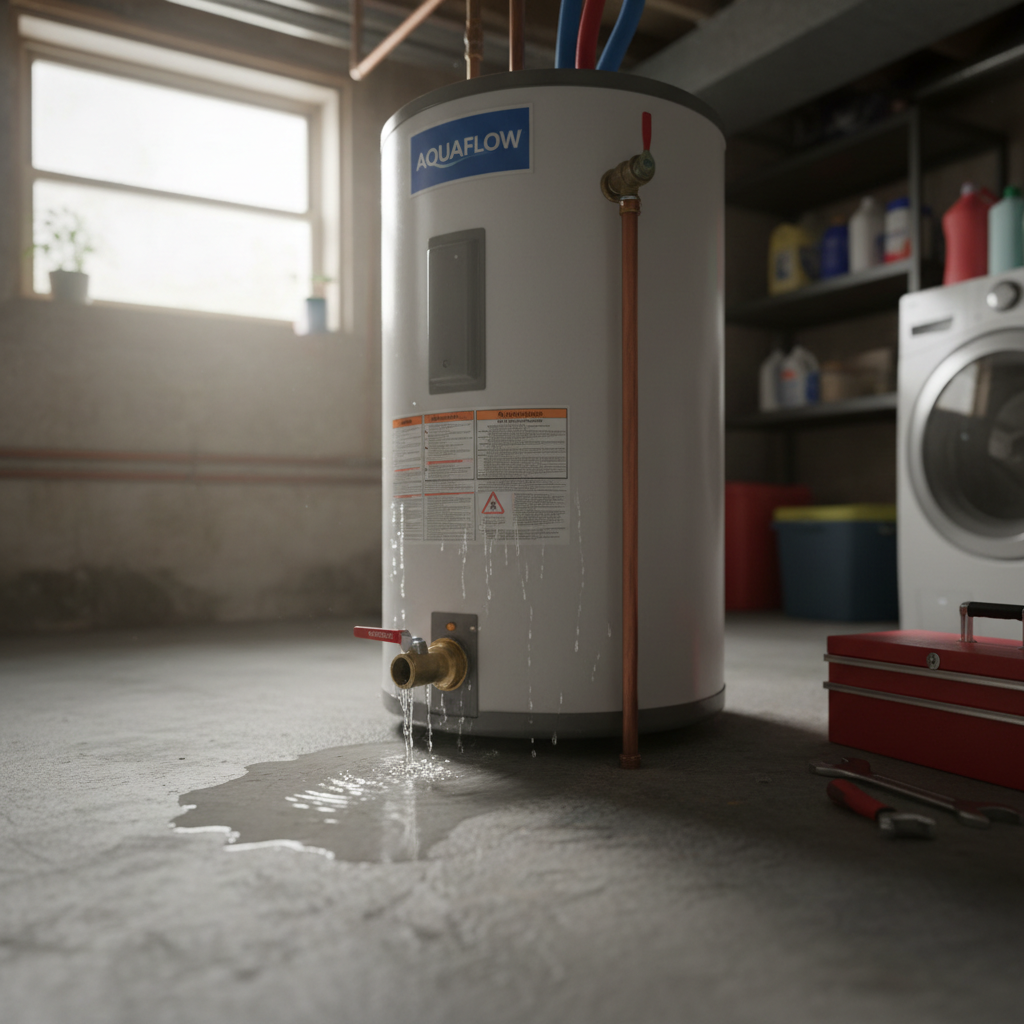
A water heater is leaking, whether from the bottom, top, or drain valve, and you need to know what to do right now. Below, you'll find actionable steps to stop the leak, prevent water damage, and decide if professional help is necessary.
-
Turn off your water heater immediately and locate the main water shut-off valve to prevent water damage and flooding.
-
Place towels or a bucket under the leak to contain water and identify whether the leak originates from the bottom, sides, or connections.
-
Check if the leak is from the drain valve at the bottom, relief valve, or tank itself, as each requires different solutions and urgency levels.
-
Avoid using hot water until the issue is resolved, though you can still take cold showers if your water heater is leaking.
-
Schedule professional water heater repair services if the leak is from the tank itself, as this typically means replacement is necessary.
-
Tighten connection bolts and fittings with a wrench if the leak appears to come from pipe connections rather than the tank.
-
Document the leak location and take photos before calling a technician to help them diagnose the problem faster.
-
Don't delay repairs once you spot a water heater is leaking, as small leaks can become major problems within days.
My Water Heater Is Leaking: Response Guide
When my water heater is leaking, the first step is identifying where the water originates. Leaks from the bottom often signal serious internal damage, such as corrosion or sediment buildup, which typically requires tank replacement rather than repair. Next steps depend on severity: Turn off the power supply immediately, then shut off the water supply valve. You can still take a shower if your water heater is leaking from minor connection points, but avoid using hot water if the leak originates from the tank itself. Don't delay addressing this issue, as continuing leaks can cause structural damage to your home and lead to mold growth. Seek immediate professional evaluation. According to Restoration1, finding water pooling around the base is an alarming sign that demands immediate attention. Top and side leaks, by contrast, might involve faulty connections or inlet/outlet ports that professionals can often fix through water heater repair. Contact a licensed technician to diagnose the problem and determine whether water heater repair or replacement is necessary. Professional water heater repair services can assess the situation within hours and prevent costly water damage.
Assess The Severity And Source
When my water heater is leaking, the first step is to identify where the water is coming from. Water pooling at the base suggests the tank itself may be compromised, while drips from connections indicate a simpler fix. If you notice what to do if water heater is leaking from bottom, turn off the water supply immediately and drain the tank to prevent further damage. You should also determine whether you can still take a shower if my water heater is leaking, if the leak is minor and contained, you may use hot water briefly while arranging repairs. However, active leaks near electrical components or structural damage require urgent professional intervention. Don't ignore even small drips, as they can worsen quickly and lead to costly water damage or mold growth in your home.
When To Call A Professional
When you're dealing with my water heater is leaking, the first thing to determine is the leak's location and severity. If you notice what to do if water heater is leaking from bottom, stop using hot water immediately and shut off the power supply to prevent electrical hazards. Small drips near the tank's base might indicate a failing drain valve or corroded tank bottom, while leaks at connection points suggest loose fittings that may be tightened temporarily. Can i take a shower if my water heater is leaking? Only if the leak is minor and isolated to a valve or fitting, not the tank itself. Document the leak's location and water volume before calling a professional, as this information helps plumbers diagnose whether you need a simple repair or full replacement.
Protecting Your Home From Water Heater Damage
A water heater leak demands quick action to prevent costly water damage and system failure. The key takeaway is straightforward: identify whether the leak originates from the bottom, drain valve, or connection points, then call a professional plumber before the situation worsens. Whether you're dealing with pooling water, wondering if you can shower safely, or facing rust spots, early intervention saves time and money. Don't wait for a small drip to become a major problem. Contact a licensed plumber today to inspect your system and restore your peace of mind.
Get Hot Water Today
Same-day water heater replacement by licensed, vetted plumbers.
Upfront pricing. No hidden fees. Guaranteed.
Available 24/7 — We answer day or night, weekends & holidays